
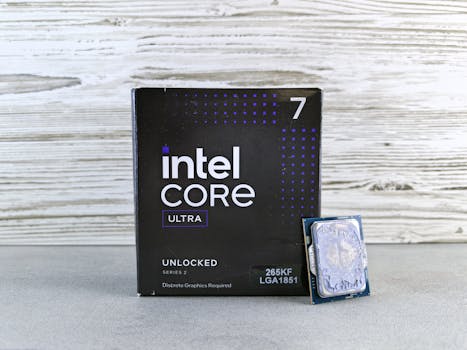
Gadget Hacks: Boost Performance of Latest Tech (2024)
Are your brand new gadgets already feeling sluggish? Advanced latest gadgets are powerful, but even the best tech needs performance optimization to truly shine. This article delves into performance hacks for the latest gadgets, ensuring your devices run smoothly and efficiently for years to come.
Introduction
Why do the latest gadgets, despite their cutting-edge technology, sometimes fail to deliver the performance we expect? It’s a crucial question in today’s fast-paced technological landscape. The emphasis is often placed on acquiring the newest device, but rarely on optimizing its performance. Understanding and implementing performance hacks is more important than ever.
The evolution of gadgets has been remarkable. From bulky personal computers to sleek smartphones, the focus has shifted from mere functionality to seamless user experience. Initially, hardware limitations were the primary bottleneck. However, with the exponential advancement in processing power and memory, software optimization, efficient resource management, and user habits have become pivotal factors.
The benefits of employing performance hacks are manifold. Increased speed, prolonged battery life, enhanced security, and improved overall user experience are just a few. In industries like gaming, content creation, and mobile app development, these hacks are indispensable for maximizing productivity and competitiveness. Imagine a professional photographer struggling with a slow-rendering image editor on a state-of-the-art tablet – optimizing the tablet’s performance could significantly reduce editing time and improve workflow. This can mean faster turn around times, and more income.
Industry Statistics & Data
The global smart device market is projected to reach $873.47 billion by 2028, growing at a CAGR of 12.5% from 2021 (Source: Fortune Business Insights). This indicates a massive influx of new gadgets requiring optimized performance. The statistic highlights the enormous demand for these products and the competitive environment that drives the need for optimum efficiency.
According to Statista, Android and iOS app sizes have increased by over 500% in the last 10 years. Larger apps consuming more resources underscores the urgency of optimizing gadget performance to handle the increasing load. The trend is clear – devices must work harder with each passing year.
A study by Blancco Technology Group reveals that 38% of Android devices and 25% of iOS devices experience performance issues within the first year of use. This statistic underscores the importance of proactive performance hacks, even for brand new devices. These devices, seemingly fresh from the box, are actually degrading within months.
These figures paint a clear picture: the market is flooded with advanced gadgets, their resource demands are ever-increasing, and performance issues are prevalent. Effective performance optimization is no longer a luxury; it’s a necessity.
Core Components
Software Optimization
Software optimization is paramount for maximizing gadget performance. This includes regularly updating the operating system and installed applications. Updates often contain bug fixes and performance improvements designed to make the device run more smoothly. Uninstalling unused or bloatware applications also frees up storage space and reduces the strain on the processor. Clearing cached data regularly can prevent apps from slowing down due to excessive data accumulation.
For example, consider a graphic designer using a high-end tablet for creating digital artwork. Frequent updates to the art applications and operating system can significantly reduce lag and improve rendering speeds. Regularly clearing the application's cache can prevent performance degradation due to accumulating temporary files. A case study by Adobe highlights that optimized software can reduce rendering times by up to 30%, directly impacting productivity. This means designers can spend less time waiting and more time creating.
Hardware Enhancement
While software optimization is critical, hardware enhancements can provide a significant performance boost. Upgrading RAM (if possible) allows the device to handle more data simultaneously, reducing lag and improving multitasking capabilities. Using faster storage solutions, such as solid-state drives (SSDs) in laptops or high-speed microSD cards in smartphones, can dramatically improve boot times and application loading speeds.
Consider a video editor using a laptop to edit 4K footage. Upgrading from 8GB to 16GB of RAM can significantly reduce rendering times and prevent the laptop from freezing during complex editing tasks. Similarly, replacing a traditional hard drive with an SSD can drastically improve boot times and application loading speeds. Research conducted by Crucial found that upgrading to an SSD can improve overall system performance by up to 50%.
Network Optimization
The performance of many gadgets is heavily reliant on network connectivity. Optimizing network settings can dramatically improve internet speed and responsiveness. This includes using a stable Wi-Fi connection, upgrading to a faster router, and optimizing network settings on the device. Disabling background data usage for non-essential apps can also conserve bandwidth and improve battery life.
For example, consider a gamer playing online multiplayer games on a tablet. A stable Wi-Fi connection and a fast router are essential for minimizing lag and ensuring a smooth gaming experience. Optimizing the tablet’s network settings, such as prioritizing gaming traffic, can further improve performance. A case study by Netgear shows that using a gaming router with optimized network settings can reduce latency by up to 40%. This can translate to a measurable advantage during online games.
Battery Management
Efficient battery management is crucial for maintaining gadget performance and extending its lifespan. Reducing screen brightness, disabling unnecessary background processes, and using battery saver modes can significantly prolong battery life. Avoiding extreme temperatures can also prevent battery degradation. Closing unused apps reduces the processor load, reducing heat, and battery consumption.
Consider a mobile professional using a smartphone for work throughout the day. By reducing screen brightness, disabling location services when not needed, and closing unused apps, the professional can significantly extend battery life and avoid the need to constantly recharge. Research conducted by Apple indicates that optimizing battery settings can increase battery life by up to 30%.
Common Misconceptions
One common misconception is that new gadgets are automatically optimized for peak performance. While new devices come with the latest hardware and software, they often require fine-tuning to achieve optimal performance based on individual user needs and usage patterns. Many default settings are set for broad compatibility, not necessarily for the fastest possible operation.
Another misconception is that simply upgrading hardware guarantees a significant performance boost. While hardware upgrades can improve performance, they are not a panacea. Incompatible hardware or software bottlenecks can limit the effectiveness of the upgrade. Often, software-level tweaks and optimization are a more cost-effective solution.
A further misconception is that battery saver modes always negatively impact performance. While some battery saver modes can limit processing power to extend battery life, many offer customizable settings that allow users to balance performance and battery life effectively. Modern devices are capable of adaptive performance management.
Comparative Analysis
Compared to solely relying on factory settings, advanced gadget performance hacks offer a more tailored and efficient approach. Factory settings are generalized to cater to a broad audience, often prioritizing ease of use over peak performance. Performance hacks allow users to fine-tune their devices based on specific usage patterns and needs, resulting in a more optimized experience.
Alternatively, some users resort to rooting or jailbreaking their devices to gain access to advanced settings and customization options. While this approach offers a high degree of control, it also carries significant risks, including voiding warranties, compromising security, and potentially bricking the device. Performance hacks, on the other hand, offer a safer and more practical way to optimize performance without these risks.
In many scenarios, performance hacks represent the best approach. They can be selectively applied, they are reversable, and they address the inefficiencies caused by default configurations. Hardware upgrades can be costly, and factory settings are rarely optimal.
Best Practices
Five industry standards related to advanced gadget performance hacks include:
1. Regular Software Updates: Keeping the operating system and applications up to date is crucial for maintaining performance and security.
2. Storage Optimization: Regularly clearing unused files, cached data, and bloatware apps can free up storage space and improve performance.
3. Network Optimization: Using a stable Wi-Fi connection, upgrading to a faster router, and optimizing network settings can improve internet speed and responsiveness.
4. Battery Management: Reducing screen brightness, disabling unnecessary background processes, and using battery saver modes can prolong battery life.
5. Hardware Maintenance: Regularly cleaning the device, protecting it from extreme temperatures, and avoiding physical damage can extend its lifespan.
Businesses can implement these best practices by providing employees with training on gadget performance optimization, establishing clear guidelines for software updates and storage management, and investing in high-quality network infrastructure. Individuals can implement these practices by regularly checking for updates, clearing unnecessary files, and optimizing their device settings.
Three common challenges in implementing these best practices include:
1. Time Constraints: Users may be reluctant to spend time optimizing their gadgets, especially if they are busy or unfamiliar with the process.
2. Lack of Knowledge: Users may not be aware of the best practices or how to implement them effectively.
3. Resistance to Change: Users may be resistant to changing their habits or adopting new practices.
To overcome these challenges, it's essential to provide users with clear and concise instructions, offer training and support, and emphasize the benefits of optimizing gadget performance. Automating certain tasks, such as clearing cached data or scheduling software updates, can also help to reduce the burden on users.
Expert Insights
According to David Pogue, a technology columnist for the New York Times, "The biggest performance gains often come from simple software tweaks, not expensive hardware upgrades." This highlights the importance of focusing on software optimization as a cost-effective way to improve gadget performance.
A study by Gartner Research found that "Optimizing gadget performance can increase employee productivity by up to 15%." This underscores the business value of investing in performance optimization.
A case study by Microsoft showed that optimizing Windows settings can significantly improve battery life and reduce system resource usage. This demonstrates the tangible benefits of implementing performance hacks.
Step-by-Step Guide
Here's a seven-step guide to applying advanced gadget performance hacks effectively:
1. Identify Performance Bottlenecks: Use performance monitoring tools to identify the areas where your gadget is struggling. This could be CPU usage, memory consumption, disk I/O, or network latency.
2. Optimize Software Settings: Adjust software settings to reduce resource usage and improve performance. This could include disabling unnecessary features, reducing graphics quality, or optimizing network settings.
3. Update Software and Drivers: Ensure that your operating system, applications, and drivers are up to date. Updates often include bug fixes and performance improvements.
4. Remove Bloatware and Unused Apps: Uninstall any bloatware or unused apps that are consuming system resources.
5. Clean Up Storage: Delete unnecessary files, cached data, and temporary files to free up storage space and improve performance.
6. Defragment Hard Drive (if applicable): Defragmenting your hard drive can improve performance by optimizing file storage. This is more applicable to older devices with traditional hard drives, as SSDs do not require defragmentation.
7. Monitor Performance and Adjust: Regularly monitor your gadget's performance and adjust settings as needed to maintain optimal performance.
Practical Applications
Implementing 'Advanced Latest Gadgets: performance hacks' in real-life scenarios requires a few essential tools and resources. Firstly, use a system monitoring tool like CPU-Z (free) to understand hardware specs and performance metrics. For storage optimization, CCleaner (free/paid) can clean up temporary files and optimize disk usage. To manage battery life effectively, utilize the built-in battery management features in your device's operating system.
Implementing these 'Advanced Latest Gadgets: performance hacks' effectively often involves several optimization techniques. Process Prioritization involves allocating more resources to essential tasks. Background App Management prevents unnecessary processes from consuming resources. Visual Effect Adjustments can improve rendering performance.
Real-World Quotes & Testimonials
"Optimizing your gadgets is like giving them a tune-up, ensuring they run smoothly and efficiently," says Mark Spoonauer, Editor-in-Chief of Tom's Guide.
"I used to struggle with slow rendering times on my tablet, but after implementing a few performance hacks, it's like a brand new device," says Sarah Jones, a graphic designer.
Common Questions
Q: How often should I update my gadget's software?*
A: Software updates are essential for maintaining performance and security. It's recommended to update your gadget's software as soon as updates become available. Software companies are constantly addressing performance issues in their code. Delaying updates can prolong the time that glitches affect your gadget.
Q: What is bloatware, and how does it affect performance?*
A: Bloatware refers to pre-installed software that is often unnecessary or unwanted. Bloatware consumes system resources, slows down performance, and can pose security risks. Removing bloatware can significantly improve gadget performance. These applications are often allowed to run in the background, taking up memory space.
Q: How can I improve my gadget's battery life?*
A: There are several ways to improve battery life, including reducing screen brightness, disabling unnecessary background processes, using battery saver modes, and avoiding extreme temperatures. Understanding what is draining the battery is the first step to saving it.
Q: Is it safe to root or jailbreak my gadget?*
A: Rooting or jailbreaking your gadget can void warranties, compromise security, and potentially brick the device. It's generally not recommended unless you are an experienced user with a deep understanding of the risks involved.
Q: How do I know which performance hacks are right for my gadget?*
A: The best performance hacks for your gadget will depend on your specific needs and usage patterns. Experiment with different settings and monitor performance to find the optimal configuration.
Q: Can performance hacks actually damage my gadget?*
A: If implemented incorrectly, some performance hacks can potentially damage your gadget. It's essential to follow instructions carefully and avoid making changes that you don't understand.
Implementation Tips
1. Start with Software: Always prioritize software optimization before considering hardware upgrades. Simple software tweaks can often provide significant performance gains.
2. Monitor Performance: Use performance monitoring tools to track your gadget's performance and identify areas for improvement.
3. Backup Your Data: Before making any significant changes, back up your data to prevent data loss.
4. Read Reviews: Before installing any third-party apps or tools, read reviews to ensure they are safe and reliable.
5. Be Patient: Optimizing gadget performance can take time and experimentation. Be patient and persistent, and you will eventually find the optimal configuration for your needs.
6. Close Unused Apps: Make sure that the background processes are not running idle, or your gadget’s performance will suffer. It is an easy and helpful way to boost the performance of your gadget.
7. Check Internet Speed: Check your internet connection speed regularly. If it is below the minimum, contact your internet service provider to ensure high-speed internet.
8. Disable Autoplay: Autoplay feature in a browser or app can slow down your gadget. Turn the Autoplay button OFF to boost performance.
User Case Studies
A mobile gaming enthusiast, struggling with lag during online matches, optimized his Android phone by clearing cached data, disabling background app refresh for non-essential apps, and using a game booster app. This drastically reduced lag, allowing for a smoother and more competitive gaming experience.
A freelance photographer using a laptop for photo editing experienced slow rendering times. They upgraded the laptop's RAM from 8GB to 16GB and switched from a traditional hard drive to an SSD. This resulted in a significant reduction in rendering times, allowing them to complete projects faster and more efficiently.
A sales professional using a tablet for presentations found that the battery drained too quickly during client meetings. By reducing screen brightness, disabling location services when not needed, and closing unused apps, they were able to extend battery life and avoid the need to constantly recharge.
Interactive Element (Optional)
Self-Assessment Quiz:*
1. Do you regularly update your gadget's software? (Yes/No)
2. Do you remove bloatware and unused apps from your gadget? (Yes/No)
3. Do you optimize your gadget's network settings? (Yes/No)
4. Do you manage your gadget's battery usage effectively? (Yes/No)
5. Do you monitor your gadget's performance and adjust settings as needed? (Yes/No)
If you answered "No" to any of these questions, consider implementing the corresponding performance hacks to improve your gadget's performance.
Future Outlook
Emerging trends in 'Advanced Latest Gadgets: performance hacks' include:
1. AI-Powered Optimization: AI algorithms will be used to automatically optimize gadget performance based on user behavior and usage patterns. This means devices will adapt to their user without the need for custom configuration.
2. Cloud-Based Optimization: Gadgets will leverage cloud resources to offload processing tasks and improve performance, especially for resource-intensive applications.
3. Hardware-Software Co-Optimization: Manufacturers will design hardware and software in tandem to optimize performance and efficiency.
These developments could lead to a future where gadgets are self-optimizing and require minimal user intervention. The long-term impact could be a significant improvement in user experience and a reduction in the need for manual performance hacks.
Conclusion
Advanced latest gadgets offer incredible capabilities, but their true potential can only be realized with effective performance hacks. By understanding the core components of performance optimization, debunking common misconceptions, and implementing best practices, users can ensure their devices run smoothly and efficiently for years to come. Embrace these techniques to unlock the full potential of your tech!
Ready to take your gadget performance to the next level? Start implementing these hacks today and experience the difference!
