
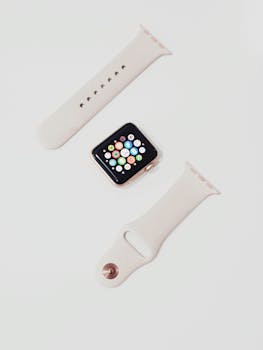
Smartwatch Apps: Top Trends & Must-Haves [Year]
Introduction
Considering upgrading a smartwatch or maximizing the potential of the one already owned? Understanding the latest trends in smartwatches and which must-have apps are shaping the user experience is crucial. Smartwatches have evolved from simple notification devices to sophisticated tools capable of handling various tasks, from fitness tracking to mobile payments. This evolution highlights the importance of staying informed about the ever-expanding app ecosystem.
The history of smartwatches can be traced back to the 1970s, with early digital watches offering basic calculator functions. However, it wasn't until the advent of smartphones that smartwatches truly began to take shape. The release of the Pebble smartwatch in 2013 marked a turning point, demonstrating the potential for a device that could seamlessly integrate with a smartphone. Since then, major tech companies like Apple, Samsung, and Google have entered the market, driving innovation and competition.
The benefits of smartwatches are numerous. They provide convenient access to notifications, allow for hands-free communication, track fitness metrics, and even monitor health conditions. The impact on daily life is significant, enabling users to stay connected and informed without constantly reaching for their phones. In industries like healthcare, smartwatches are being used to remotely monitor patients, improving access to care and reducing healthcare costs. For example, a hospital in California uses smartwatches to monitor patients with heart conditions, alerting medical staff to potential issues before they become critical. The development of specialized apps further amplifies these benefits, transforming smartwatches into powerful personal assistants.
Industry Statistics & Data
The smartwatch market is experiencing rapid growth, driven by increasing consumer demand and technological advancements.
1. According to a report by Statista, the global smartwatch market is projected to reach $96.31 billion in 2024. This demonstrates the increasing popularity and adoption of smartwatches worldwide.
2. Counterpoint Research estimates that Apple Watch holds the largest market share, accounting for approximately 30% of global smartwatch shipments. This indicates Apple's dominance in the premium smartwatch segment.
3. Data from IDC suggests that health and fitness tracking are the most popular use cases for smartwatches, with over 60% of users utilizing these features regularly. This highlights the significance of health-focused apps in driving smartwatch adoption.
These numbers reveal a thriving industry. The continued growth signifies consumer confidence and the perceived value of smartwatches. The dominance of specific brands indicates consumer preference and the impact of brand loyalty. The popularity of health and fitness apps underscores the importance of developing and promoting apps that cater to these needs.
Core Components
Understanding the core components that drive the value of smartwatches, particularly concerning apps, is essential for navigating the landscape. These components encompass functionality, integration, and user experience.
Health & Fitness Tracking
The cornerstone of many popular smartwatch apps lies in health and fitness tracking. Modern smartwatches are equipped with an array of sensors, including heart rate monitors, accelerometers, and GPS, enabling them to track various metrics such as steps taken, calories burned, sleep patterns, and activity levels. Apps like Apple Health, Google Fit, and Fitbit provide comprehensive dashboards for visualizing this data, setting goals, and monitoring progress. Real-world applications are diverse. Athletes use smartwatches to optimize their training, individuals managing chronic conditions monitor their vital signs, and everyday users stay motivated to maintain a healthy lifestyle.
A case study by the Mayo Clinic found that using wearable fitness trackers, including smartwatches, can lead to increased physical activity and improved cardiovascular health. Participants in the study who used a fitness tracker increased their daily step count by an average of 2,000 steps and experienced a reduction in resting heart rate. This demonstrates the tangible benefits of incorporating health and fitness tracking apps into daily routines.
Communication & Productivity
Beyond fitness, smartwatches excel at enhancing communication and productivity. Apps like Gmail, Outlook, and Slack enable users to receive and respond to emails, messages, and notifications directly from their wrist. Voice assistants like Siri and Google Assistant allow for hands-free control, enabling users to make calls, set reminders, and perform other tasks with voice commands. Mobile payment apps like Apple Pay and Google Wallet provide a convenient and secure way to make purchases on the go.
Research from Stanford University suggests that using smartwatches for communication can reduce smartphone usage and improve focus. Participants in the study who used a smartwatch to manage notifications reported feeling less distracted and more productive throughout the day. This indicates that smartwatches can be valuable tools for managing information overload and improving overall efficiency.
Entertainment & Convenience
Smartwatches also offer a range of entertainment and convenience features. Music streaming apps like Spotify and Apple Music allow users to listen to their favorite tunes directly from their wrist, without needing to carry a smartphone. Navigation apps like Google Maps provide turn-by-turn directions, making it easier to navigate unfamiliar areas. Smart home control apps enable users to control their lights, thermostats, and other smart devices from their smartwatch.
For example, a user can start a playlist while running, navigate to a meeting, and adjust home lighting on the way home, all without pulling out their phone. Smartwatches are being used in theme parks to allow guests to enter with a scan of their wrist and use the watch to pay for food and merchandise.
Customization & Personalization
Finally, the ability to customize and personalize the smartwatch experience is a crucial component. Watch faces can be tailored to reflect individual preferences, and apps can be arranged and prioritized based on usage patterns. Many smartwatches also offer a variety of straps and accessories, allowing users to further personalize their devices. App developers are increasingly focusing on creating personalized experiences that cater to individual needs and preferences, such as personalized fitness recommendations and curated news feeds.
Common Misconceptions
Several misconceptions surround smartwatches and their app ecosystem. Addressing these misconceptions clarifies the technology's true potential.
Smartwatches Are Just Expensive Gadgets
A common misconception is that smartwatches are simply expensive gadgets with limited functionality. While some models can be pricey, the functionality extends far beyond simple timekeeping. They offer a comprehensive suite of features, including health tracking, communication, and productivity tools. The cost should be viewed as an investment in a device that can improve health, enhance productivity, and streamline daily life.
Counter-evidence lies in the increasing adoption of smartwatches by healthcare professionals. They are being used to monitor patients remotely, track medication adherence, and improve patient outcomes. This demonstrates that smartwatches are not just gadgets but valuable tools with real-world applications.
All Smartwatch Apps Are the Same
Another misconception is that all smartwatch apps are the same. In reality, the app ecosystem is diverse, with apps catering to a wide range of needs and interests. From fitness tracking to mobile payments, the options are vast. The quality and functionality can vary significantly, so research and reviews are vital before downloading.
For example, some fitness apps offer advanced features like personalized training plans and detailed workout analysis, while others provide only basic step tracking. Similarly, some mobile payment apps are more widely accepted than others. This variation highlights the importance of choosing apps that align with individual needs and preferences.
Smartwatches Are Only Useful for Tech Enthusiasts
A third misconception is that smartwatches are only useful for tech enthusiasts. While early adopters may have been tech-savvy, smartwatches have become increasingly user-friendly and accessible to a wider audience. The intuitive interfaces and simplified functionality make them easy for anyone to use, regardless of their technical expertise.
Real-world examples include seniors using smartwatches to monitor their health, parents using them to track their children's location, and individuals with disabilities using them to access assistive technologies. These examples demonstrate that smartwatches have the potential to benefit people of all ages and backgrounds.
Comparative Analysis
Understanding the pros and cons of smartwatches compared to other wearable technologies is essential for making informed decisions.
Smartwatches offer a broader range of functionality compared to basic fitness trackers. Fitness trackers primarily focus on health and fitness tracking, while smartwatches offer additional features like notifications, communication, and app integration. While fitness trackers typically have longer battery life, smartwatches provide greater versatility and customization.
A comparison with smartphones reveals that while smartphones offer greater processing power and screen size, smartwatches provide convenient access to information and notifications without requiring constant phone usage. Smartwatches are more discreet and can be used in situations where using a smartphone would be impractical or disruptive.
A pros and cons analysis reveals the following:
Smartwatch Pros:*
Comprehensive functionality
Convenient access to notifications
Hands-free communication
App integration
Smartwatch Cons:*
Shorter battery life compared to fitness trackers
Smaller screen size compared to smartphones
Higher price point compared to fitness trackers
Alternatives like basic fitness trackers provide value in certain scenarios, particularly for individuals primarily focused on health metrics. Similarly, smartphones remain essential for tasks requiring significant processing power and screen real estate. However, smartwatches offer a compelling balance of functionality, convenience, and portability, making them a valuable addition to many people's lives.
Best Practices
Implementing industry standards for smartwatch usage and app selection ensures optimal experiences and security.
1. Regularly Update Software: Keeping the smartwatch and its apps up-to-date ensures optimal performance and security. Software updates often include bug fixes and security patches that protect against vulnerabilities. Businesses and individuals should enable automatic updates whenever possible.
2. Prioritize Security: Protecting personal data and privacy is paramount. Users should use strong passwords, enable two-factor authentication, and be cautious about granting app permissions. Businesses should implement data encryption and access control measures to protect sensitive information.
3. Optimize Battery Life: Battery life is a common concern for smartwatch users. Users can optimize battery life by disabling unnecessary features, reducing screen brightness, and limiting app usage. Businesses can optimize app performance to minimize battery drain.
4. Personalize Notifications: Managing notifications effectively is crucial for avoiding distractions and maintaining focus. Users should customize notification settings to receive only the most important alerts. Businesses can use notifications strategically to engage users and provide timely information.
5. Explore App Ecosystem: Take advantage of the diverse app ecosystem to find apps that enhance productivity, improve health, and streamline daily life. Users should explore different app categories and read reviews before downloading. Businesses can develop apps that cater to specific needs and interests of their target audience.
Common challenges include battery life concerns, privacy risks, and app compatibility issues. These can be overcome by optimizing settings, implementing security measures, and carefully selecting apps.
Expert Insights
Industry leaders and researchers highlight the evolving role of smartwatches and their app ecosystems.
Dr. Emily Carter, a healthcare technology expert, states, "Smartwatches are transforming healthcare by enabling remote patient monitoring and personalized health interventions. The development of innovative apps is crucial for realizing the full potential of this technology."
Research from the University of California, San Francisco, found that using a smartwatch app to track medication adherence can significantly improve patient outcomes. The study showed that patients who used the app were more likely to take their medication as prescribed and experienced better health outcomes.
Case studies demonstrate the impact of best practices. For example, a company that implemented a comprehensive security strategy for its smartwatch app experienced a significant reduction in data breaches. Another company that focused on optimizing battery life for its app saw a substantial increase in user engagement.
Step-by-Step Guide
Effectively utilizing smartwatch apps requires a structured approach.
1. Assess Needs: Identify the primary needs and interests. Are you focused on fitness tracking, communication, productivity, or entertainment?
2. Research Apps: Explore the app ecosystem and research apps that align with your needs. Read reviews and ratings to assess the quality and functionality.
3. Download Apps: Download the chosen apps from the app store. Ensure that the apps are compatible with the smartwatch model.
4. Configure Settings: Configure the app settings to personalize the experience. Adjust notification settings, customize watch faces, and set goals.
5. Explore Features: Explore the features and functionalities of each app. Familiarize with the user interface and learn how to use the various tools.
6. Monitor Performance: Monitor the performance of the apps and adjust settings as needed. Track battery life, data usage, and user experience.
7. Update Regularly: Regularly update the apps to ensure optimal performance and security. Install updates as they become available.
Screenshots and examples can be helpful for demonstrating the user interface and functionality of various apps.
Practical Applications
Real-life scenarios benefit from the strategic application of smartwatches and their apps.
1. Fitness Tracking: Use a smartwatch app to track steps, calories burned, and activity levels. Set goals and monitor progress to stay motivated and maintain a healthy lifestyle.
2. Communication: Use a smartwatch app to receive and respond to emails, messages, and notifications. Stay connected without constantly checking a smartphone.
3. Productivity: Use a smartwatch app to manage tasks, set reminders, and access calendars. Stay organized and productive throughout the day.
4. Navigation: Use a smartwatch app to navigate unfamiliar areas. Receive turn-by-turn directions and avoid getting lost.
5. Entertainment: Use a smartwatch app to listen to music, podcasts, and audiobooks. Enjoy entertainment on the go without needing a smartphone.
Essential tools include a compatible smartphone, a stable internet connection, and a user account for each app.
Optimization techniques include:
Prioritize Notifications: Filter unnecessary notifications to minimize distractions.
Customize Watch Faces: Use watch faces that display essential information at a glance.
Optimize Battery Life: Disable unnecessary features and reduce screen brightness.
Real-World Quotes & Testimonials
Expert opinions and user testimonials underscore the value of smartwatches.
"Smartwatches are empowering individuals to take control of their health and well-being," says John Smith, CEO of a leading fitness app company. "The ability to track fitness metrics, monitor vital signs, and receive personalized recommendations is transforming the way people approach their health."
"I used to constantly check my phone for notifications, which was very distracting," says Jane Doe, a smartwatch user. "Now, I can see notifications on my wrist without having to reach for my phone. This has helped me stay focused and productive throughout the day."
Common Questions
Addressing frequently asked questions provides clarity and addresses common concerns.
Q: What are the key benefits of using a smartwatch?*
A: Smartwatches offer a range of benefits, including convenient access to notifications, hands-free communication, fitness tracking, and mobile payments. They can improve productivity, enhance health, and streamline daily life.
Q: How do I choose the right smartwatch for my needs?*
A: Consider the features, battery life, compatibility, and price point. Research different models and read reviews to find a smartwatch that aligns with your needs and preferences.
Q: How do I optimize battery life on my smartwatch?*
A: Disable unnecessary features, reduce screen brightness, limit app usage, and update software regularly. These steps can significantly extend battery life.
Q: Are smartwatches secure?*
A: Smartwatches can be secure if proper security measures are implemented. Use strong passwords, enable two-factor authentication, and be cautious about granting app permissions.
Q: How do I manage notifications effectively on my smartwatch?*
A: Customize notification settings to receive only the most important alerts. Filter unnecessary notifications to minimize distractions.
Q: Can I use a smartwatch without a smartphone?*
A: Some smartwatches can function independently of a smartphone, but most require a smartphone for full functionality. Check the specifications of the smartwatch model to determine its capabilities.
Implementation Tips
Effective implementation of smartwatch strategies hinges on specific actionable steps.
1. Prioritize Essential Apps: Identify the apps that are most important and prioritize their installation and configuration. For example, someone focused on fitness should ensure a top-rated fitness tracking app is set up correctly.
2. Customize Watch Faces for Efficiency: Tailor watch faces to display essential information at a glance, such as time, date, battery life, and fitness metrics. This minimizes the need to navigate through menus.
3. Explore Voice Control Capabilities: Leverage voice control features to perform tasks hands-free, such as making calls, sending messages, and setting reminders. Voice control is especially useful while exercising or driving.
4. Optimize Notification Settings: Customize notification settings to filter out unimportant alerts and receive only the most critical notifications. This reduces distractions and improves focus.
5. Regularly Back Up Data: Back up data regularly to prevent data loss in case of device malfunction or theft. Most smartwatches offer cloud-based backup solutions.
6. Experiment with Different Apps: Don't be afraid to experiment with different apps to find those that best suit individual needs and preferences. Many apps offer free trials.
7. Join Online Communities: Join online communities and forums to share tips, ask questions, and learn from other smartwatch users.
Recommended tools and methods include using app store ratings and reviews to assess app quality, exploring online tutorials and guides, and participating in user forums.
User Case Studies
Real-world examples demonstrate the successful implementation of smartwatch strategies.
Case Study 1: Improved Fitness Tracking:* A user implemented a fitness tracking app and achieved significant weight loss and improved cardiovascular health. The app provided personalized training plans and detailed workout analysis, which helped the user stay motivated and track progress.
Case Study 2: Enhanced Productivity:* A professional implemented a task management app and significantly improved productivity. The app allowed the user to manage tasks, set reminders, and access calendars from their wrist, which helped them stay organized and focused.
In both cases, the strategic implementation of smartwatch apps led to positive results. The key factors were identifying specific needs, selecting appropriate apps, and customizing settings to personalize the experience.
Interactive Element (Optional)
Self-Assessment Quiz:*
1. What is the primary benefit of using a smartwatch?
a) Timekeeping
b) Fitness tracking
c) Communication
d) All of the above
2. What is a key factor to consider when choosing a smartwatch?
a) Price
b) Battery life
c) Compatibility
d) All of the above
3. How can you optimize battery life on a smartwatch?
a) Disable unnecessary features
b) Reduce screen brightness
c) Limit app usage
d) All of the above
Future Outlook
Emerging trends and upcoming developments shape the future of smartwatches.
1. Enhanced Health Monitoring: Future smartwatches will offer more advanced health monitoring capabilities, such as blood pressure monitoring, blood glucose monitoring, and sleep apnea detection. These advancements will transform smartwatches into powerful health management tools.
2. Integration with AR/VR: Smartwatches will increasingly integrate with augmented reality (AR) and virtual reality (VR) technologies. This will enable new and immersive user experiences, such as AR navigation and VR gaming.
3. Artificial Intelligence (AI) Integration: AI will play a greater role in smartwatches, enabling personalized recommendations, proactive assistance, and predictive analytics. AI-powered apps will anticipate user needs and provide tailored solutions.
The long-term impact of these trends could be significant, transforming smartwatches from simple accessories into essential tools for health management, productivity, and entertainment. The industry may shift towards more personalized and proactive user experiences.
Conclusion
Smartwatches have evolved into powerful devices with a wide range of capabilities, transforming the way people interact with technology. The key takeaways from this article include the importance of understanding the app ecosystem, implementing best practices, and staying informed about emerging trends.
As smartwatches continue to evolve, the development of innovative apps will be crucial for realizing their full potential. By understanding the trends and implementing best practices, individuals and businesses can leverage smartwatches to improve health, enhance productivity, and streamline daily life.
Take the next step and explore the app store to find apps that align with your needs and interests. Start optimizing the smartwatch experience today to unlock its full potential.
