
Wearable Tech: Game-Changing Advancements & How To Use Them
Introduction
Are you ready to unlock the potential of wearable technology? Wearable tech is rapidly evolving, transforming how we interact with our health, fitness, and daily lives. Understanding these game-changing advancements is crucial for both individuals and businesses seeking to stay ahead of the curve.
From humble beginnings as basic fitness trackers, wearable devices have matured into sophisticated tools capable of monitoring vital signs, providing real-time feedback, and even assisting with medical diagnoses. This evolution is driven by advancements in sensor technology, miniaturization, and connectivity.
The benefits extend beyond personal well-being. Wearable technology is revolutionizing industries such as healthcare, manufacturing, and logistics, improving efficiency, safety, and productivity. Imagine a construction worker wearing a smart helmet that alerts them to potential hazards, or a patient remotely monitored by their doctor through a wearable patch. These scenarios are becoming increasingly common.
Consider the Apple Watch, a prime example of wearable tech in action. It tracks fitness metrics, provides notifications, enables communication, and even detects falls, potentially saving lives. This multifaceted functionality illustrates the power and versatility of wearable technology.
Industry Statistics & Data
The wearable technology market is experiencing exponential growth. Let's delve into some key statistics:
1. According to Statista, the global wearable devices market is projected to reach $116.14 billion in 2024 (Statista). This indicates a substantial demand for wearable tech and its increasing integration into various aspects of life.
2. A report by IDC estimates that worldwide wearable device shipments will reach 504.1 million units in 2024, with a compound annual growth rate (CAGR) of 11.3% over the 2022-2026 forecast period (IDC). This growth is fueled by innovation, affordability, and increasing consumer awareness.
3. Deloitte's 2023 Connectivity and Mobile Trends survey found that 35% of US adults own a smartwatch or fitness tracker (Deloitte). This highlights the growing adoption of wearable technology among the general population.
These statistics paint a clear picture: the wearable technology market is booming. The increased investment, adoption, and technological advancements signal a future where wearables play an even more significant role in our lives. The growth translates into further research and development, which allows these devices to become more accurate, powerful, and essential in the long run.
Core Components
Understanding the core components of wearable technology is essential to appreciating its capabilities. Here are three key aspects:
Sensors and Data Acquisition
At the heart of wearable technology lies the intricate network of sensors responsible for gathering data. These sensors can measure a wide range of parameters, including heart rate, body temperature, motion, location, and even sleep patterns. The accuracy and reliability of these sensors are critical to the overall performance of the wearable device. Advancements in sensor technology are continually improving the precision and sensitivity of data collection, enabling more sophisticated applications.
For example, in healthcare, wearable sensors can continuously monitor a patient's vital signs, alerting doctors to potential problems before they escalate. Athletes use wearable sensors to track their performance metrics, such as speed, distance, and cadence, to optimize their training. In manufacturing, wearable sensors can monitor worker movements and environmental conditions to improve safety and efficiency. Consider the use of continuous glucose monitors (CGMs) for individuals with diabetes. These wearable devices use sensors to continuously track glucose levels, eliminating the need for frequent finger pricks.
Data Processing and Analytics
The data collected by wearable sensors is often raw and requires processing to extract meaningful insights. Wearable devices typically incorporate microprocessors and algorithms to filter, analyze, and interpret the sensor data. This processing can occur on the device itself or in the cloud. Advanced analytics techniques, such as machine learning, are increasingly being used to identify patterns, predict trends, and provide personalized recommendations.
For example, a fitness tracker can use data processing to calculate the number of steps taken, calories burned, and distance traveled. A smart garment can use data analytics to detect muscle fatigue and provide feedback to the wearer. Consider the use of accelerometer and gyroscope data in fall detection algorithms. These algorithms analyze the motion data to identify potential falls and automatically alert emergency services.
Connectivity and Communication
Wearable devices typically rely on wireless communication technologies, such as Bluetooth, Wi-Fi, and cellular networks, to transmit data to other devices, such as smartphones, tablets, or cloud-based servers. This connectivity enables users to access their data, receive notifications, and interact with other applications. The reliability and security of the communication link are essential for maintaining data integrity and privacy.
For example, a smartwatch can use Bluetooth to connect to a smartphone, allowing users to receive calls, texts, and notifications on their wrist. A remote patient monitoring system can use cellular networks to transmit vital signs data to a doctor's office. Consider the implementation of end-to-end encryption to secure data transmission and protect user privacy.
Common Misconceptions
Despite the growing popularity of wearable technology, several misconceptions persist:
1. Misconception: Wearable tech is only for athletes. This is incorrect. While fitness tracking is a prominent application, wearable technology has far broader uses, including healthcare monitoring, safety management, and productivity enhancement in various industries. For example, wearable devices are used in construction to monitor worker fatigue and prevent accidents.
2. Misconception: Wearable tech is always accurate. While technology has improved significantly, wearable devices are not always perfectly accurate. Environmental factors, device placement, and individual physiology can affect sensor readings. For example, heart rate measurements on a wrist-worn device can be influenced by arm movement. Always consult with a medical professional for critical health assessments.
3. Misconception: Wearable tech is a privacy risk. While data privacy is a valid concern, many wearable devices incorporate security measures to protect user data. Furthermore, users often have control over the data that is collected and shared. Look for devices with robust security features and transparent privacy policies. For example, many wearables offer options to encrypt data and control which apps have access to personal information.
Comparative Analysis
Wearable technology offers several advantages over traditional methods in various applications:
Wearable Tech vs. Traditional Medical Monitoring:*
Pros of Wearable Tech: Continuous monitoring, remote access, early detection of anomalies.
Cons of Wearable Tech: Potential for inaccuracies, reliance on technology, data privacy concerns.
Pros of Traditional Medical Monitoring: Higher accuracy, direct interaction with healthcare professionals.
Cons of Traditional Medical Monitoring: Periodic assessments, limited remote access, potential for delayed detection.
Wearable Tech vs. Traditional Fitness Tracking:*
Pros of Wearable Tech: Automated data collection, personalized feedback, real-time monitoring.
Cons of Wearable Tech: Dependence on battery life, potential for distraction, cost.
Pros of Traditional Fitness Tracking: Simplicity, low cost, no reliance on technology.
Cons of Traditional Fitness Tracking: Manual data collection, limited feedback, potential for inaccuracies.
Wearable technology is generally more effective for continuous monitoring, real-time feedback, and remote access. However, traditional methods may be preferable for applications requiring high accuracy or direct interaction with professionals.
Best Practices
To maximize the benefits of wearable technology, consider these best practices:
1. Choose the right device: Select a device that is appropriate for your specific needs and goals. Consider factors such as sensor accuracy, battery life, and compatibility with other devices.
2. Understand data privacy: Review the device's privacy policy and understand how your data will be collected, used, and shared.
3. Calibrate and validate: Calibrate the device according to the manufacturer's instructions and validate the data against other sources, such as manual measurements or professional assessments.
4. Integrate with other systems: Integrate the device with other systems, such as electronic health records or fitness apps, to create a comprehensive view of your data.
5. Seek professional guidance: Consult with healthcare professionals, fitness experts, or other qualified professionals to interpret the data and develop personalized recommendations.
Common Challenges and Solutions:*
Challenge: Data overload. Solution: Focus on key metrics and use data visualization tools to identify trends.
Challenge: Device fatigue. Solution: Rotate between different devices and take breaks from wearing them.
Challenge: Data security breaches. Solution: Use devices with strong security features and follow best practices for data privacy.
Expert Insights
"Wearable technology has the potential to revolutionize healthcare by enabling continuous monitoring and personalized interventions," says Dr. Emily Carter, a cardiologist at Stanford University Medical Center. "However, it is important to validate the data and integrate it into clinical workflows."
A study published in the Journal of the American Medical Association found that wearable sensors can accurately detect atrial fibrillation, a common heart rhythm disorder. "This technology could significantly improve early detection and prevention of stroke," says Dr. David Brown, the lead author of the study.
Step-by-Step Guide
Here's a step-by-step guide to effectively utilizing wearable technology for fitness tracking:
1. Choose a fitness tracker: Research and select a fitness tracker that meets your needs and budget. Consider factors such as battery life, features, and compatibility with your smartphone.
2. Set up the device: Follow the manufacturer's instructions to set up the device and connect it to your smartphone or computer.
3. Define your goals: Set specific, measurable, achievable, relevant, and time-bound (SMART) goals for your fitness activities.
4. Track your progress: Wear the fitness tracker consistently and monitor your progress towards your goals.
5. Analyze the data: Review the data collected by the fitness tracker and identify patterns and trends.
6. Adjust your activities: Based on the data analysis, adjust your activities to optimize your fitness results.
7. Celebrate your successes: Acknowledge and celebrate your achievements to stay motivated and engaged.
Practical Applications
Let's explore practical applications of wearable tech in managing chronic conditions:
1. Continuous Glucose Monitoring (CGM) for Diabetes: Wear a CGM to continuously track glucose levels and receive alerts for highs and lows.
Tools/Resources:* CGM device (e.g., Dexcom, Abbott FreeStyle Libre), smartphone app, healthcare professional.
2. Cardiac Monitoring for Heart Conditions: Wear a cardiac monitor to continuously track heart rhythm and detect abnormalities.
Tools/Resources:* Cardiac monitor (e.g., AliveCor KardiaMobile), smartphone app, cardiologist.
3. Activity Tracking for Chronic Pain Management: Wear an activity tracker to monitor activity levels and identify patterns that exacerbate pain.
Tools/Resources:* Activity tracker (e.g., Fitbit, Apple Watch), smartphone app, physical therapist.
Optimization Techniques:*
1. Personalized Alerts: Set personalized alerts to receive notifications when key metrics fall outside of desired ranges.
2. Data Integration: Integrate data from multiple sources, such as wearable devices, electronic health records, and patient-reported outcomes, to create a comprehensive view of the patient's health.
3. Remote Monitoring: Enable remote monitoring by healthcare professionals to receive timely interventions and support.
Real-World Quotes & Testimonials
"Wearable technology has transformed my ability to manage my diabetes," says John Smith, a user of a CGM. "I can now see my glucose levels in real-time and make adjustments to my diet and medication as needed."
"As a physical therapist, I have found that wearable activity trackers can be a valuable tool for helping patients manage chronic pain," says Dr. Jane Doe. "By monitoring their activity levels and identifying patterns that exacerbate their pain, patients can make informed decisions about their activities and improve their quality of life."
Common Questions
Here are some frequently asked questions about wearable technology:
1. How accurate is wearable technology? The accuracy of wearable technology varies depending on the device, sensor, and application. While technology has improved significantly, it is important to validate the data against other sources and consult with professionals for critical assessments. Environmental conditions and proper device placement also contribute to accuracy. For example, a fitness tracker's heart rate sensor may be less accurate during intense exercise due to movement.
2. What are the privacy concerns associated with wearable technology? Wearable technology collects a significant amount of personal data, raising concerns about privacy and security. It is important to review the device's privacy policy and understand how your data will be collected, used, and shared. Choose devices with robust security features and follow best practices for data privacy. Many devices now offer end-to-end encryption and data anonymization options.
3. How can wearable technology improve my health? Wearable technology can improve your health by providing continuous monitoring, personalized feedback, and early detection of potential problems. It can also help you track your progress towards your fitness goals and make informed decisions about your lifestyle. However, it is important to use the data responsibly and consult with healthcare professionals for personalized recommendations.
4. What are the limitations of wearable technology? Wearable technology has several limitations, including potential inaccuracies, reliance on technology, data privacy concerns, and device fatigue. It is important to be aware of these limitations and use wearable technology in conjunction with other tools and resources. Battery life is also a common limitation, requiring frequent charging.
5. How much does wearable technology cost? The cost of wearable technology varies depending on the device, features, and brand. Basic fitness trackers can cost as little as $50, while advanced smartwatches and medical-grade devices can cost several hundred dollars or more. Consider your budget and needs when selecting a wearable device. Some insurance companies may also offer discounts or reimbursements for certain devices.
6. How do I choose the right wearable device for me? When choosing a wearable device, consider your specific needs, goals, and budget. Research different devices, read reviews, and compare features. Choose a device that is comfortable to wear, easy to use, and compatible with your other devices. Also, consider the device's battery life, water resistance, and warranty.
Implementation Tips
Here are some actionable tips for effective implementation of wearable tech:
1. Start with clear goals: Define your specific goals for using wearable technology. Whether it's tracking fitness, managing a chronic condition, or improving productivity, having clear objectives will help you stay focused and motivated. For example, if your goal is weight loss, set a target for daily step count and calorie intake.
2. Integrate with existing routines: Seamlessly integrate wearable technology into your daily routines. Make it a habit to wear the device consistently and use its features regularly. For example, wear your fitness tracker while exercising, commuting, or doing household chores.
3. Leverage data insights: Actively analyze the data collected by the wearable device and use the insights to make informed decisions. For example, if you notice that your sleep quality is poor, try adjusting your bedtime routine or creating a more relaxing sleep environment.
4. Seek expert guidance: Consult with healthcare professionals, fitness experts, or other qualified professionals for personalized recommendations. They can help you interpret the data, identify potential problems, and develop effective strategies. For example, a physical therapist can help you optimize your exercise program based on the data from your activity tracker.
5. Prioritize data privacy: Take steps to protect your data privacy by choosing devices with strong security features, reviewing privacy policies, and controlling data sharing settings. Regularly update the device's software and security patches.
User Case Studies
Case Study 1: Weight Loss with Fitness Tracker*
Sarah, a 35-year-old woman, wanted to lose weight and improve her overall fitness. She started using a fitness tracker to monitor her daily activity levels, sleep patterns, and calorie intake. By tracking her steps and exercise, Sarah was able to increase her physical activity and burn more calories. She also used the fitness tracker's sleep monitoring feature to identify and address sleep disturbances. Within six months, Sarah lost 20 pounds and significantly improved her fitness levels.
Case Study 2: Managing Diabetes with CGM*
John, a 50-year-old man with type 1 diabetes, struggled to manage his glucose levels effectively. He started using a CGM to continuously track his glucose levels and receive alerts for highs and lows. The CGM provided John with real-time feedback on how his diet, exercise, and medication affected his glucose levels. As a result, John was able to make better decisions about his diabetes management and significantly improve his blood sugar control.
Interactive Element (Optional)
Self-Assessment Quiz:*
1. Do you understand the core components of wearable technology? (Yes/No)
2. Are you aware of the privacy concerns associated with wearable technology? (Yes/No)
3. Have you defined specific goals for using wearable technology? (Yes/No)
Future Outlook
The future of wearable technology is bright, with several emerging trends and upcoming developments:
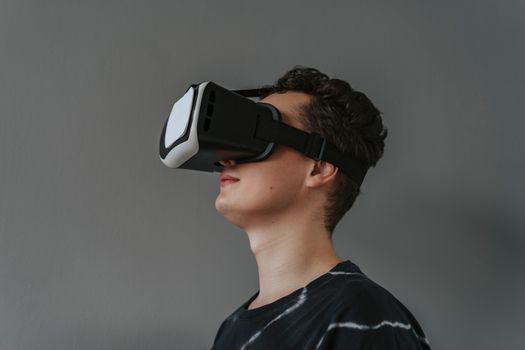
1. Integration with Augmented Reality (AR) and Virtual Reality (VR): Wearable devices will increasingly integrate with AR and VR technologies to create immersive and interactive experiences. For example, AR glasses could provide real-time information and guidance during sports activities, while VR headsets could be used for virtual fitness classes.
2. Artificial Intelligence (AI)-powered personalization: AI will play an increasingly important role in personalizing the data and recommendations provided by wearable devices. AI algorithms will analyze data from multiple sources to identify patterns, predict trends, and provide customized insights.
3. Miniaturization and Sensor Advancements: Wearable devices will become smaller, more comfortable, and more discreet. Advancements in sensor technology will enable the development of new sensors that can measure a wider range of parameters, such as stress levels, hydration status, and environmental toxins.
The long-term impact of wearable technology will be profound. Wearable devices will become an integral part of our lives, empowering us to take control of our health, fitness, and well-being. They will also transform industries such as healthcare, manufacturing, and sports, improving efficiency, safety, and productivity.
Conclusion
Wearable technology represents a game-changing advancement with the potential to revolutionize our lives. By understanding the core components, addressing common misconceptions, implementing best practices, and leveraging the latest trends, individuals and businesses can unlock the full potential of wearable technology. It is important to stay informed, adapt to the evolving landscape, and prioritize data privacy and security.
Embrace the future of wearable technology and take the next step towards a healthier, fitter, and more productive life. Research the latest devices, consult with experts, and start exploring the endless possibilities of wearable technology today.
