
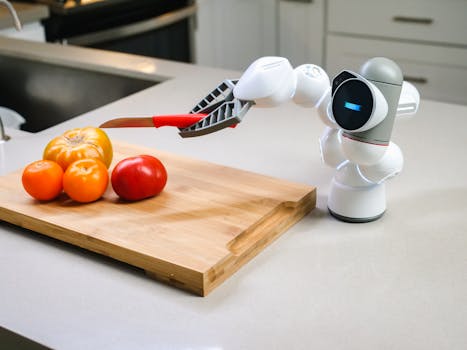
Smart Home Tech: Latest Innovations & How to Automate
Introduction
Are you ready to step into the future and control your home with a touch? Home automation is no longer a futuristic dream; it's a present-day reality. This article delves into the latest innovations in home automation, providing a comprehensive guide on how to transform your living space into a smart, efficient, and comfortable environment. The significance of smart home technology lies in its ability to enhance convenience, security, and energy efficiency, ultimately improving quality of life.
Historically, home automation systems were complex and expensive, requiring specialized installation and programming. Early systems focused primarily on lighting and temperature control. Over time, advancements in wireless technology, miniaturization, and cloud computing have revolutionized the industry, making smart home devices more accessible and user-friendly. Now, homeowners can easily install and manage a wide range of devices using smartphones and voice assistants.
The impact of home automation extends beyond individual convenience. Smart thermostats, for instance, can significantly reduce energy consumption, contributing to a more sustainable lifestyle. Security systems with smart cameras and motion sensors provide enhanced protection against intrusions. In healthcare, smart home devices can monitor vital signs and provide remote assistance to elderly or disabled individuals, promoting independent living.
A prime example of home automation in action is the implementation of smart lighting systems in commercial buildings. These systems use sensors to detect occupancy and ambient light levels, automatically adjusting lighting to optimize energy efficiency. Studies have shown that smart lighting can reduce energy consumption by up to 70% in commercial settings, demonstrating the significant cost savings and environmental benefits of home automation technologies.
Industry Statistics & Data
The home automation market is experiencing rapid growth, fueled by increasing consumer awareness and technological advancements. Let’s examine some key industry statistics:
1. Market Size: According to Statista, the global smart home market is projected to reach $138.1 billion in 2024 and is expected to show an annual growth rate (CAGR 2024-2029) of 8.68%, resulting in a market volume of $209.1 billion by 2029.
2. Adoption Rate: A report by Parks Associates found that nearly 40% of U.S. broadband households now own at least one smart home device. This indicates a significant increase in adoption compared to previous years.
3. Energy Savings: The U.S. Department of Energy estimates that smart thermostats can save homeowners an average of 10-12% on heating costs and 15% on cooling costs.
[Numerical/Graphical Comparison: A bar graph could illustrate the projected growth of the smart home market over the next five years, showing the increase in market volume from $138.1 billion in 2024 to $209.1 billion in 2029.]
These statistics underscore the growing importance of home automation. The increasing market size reflects the rising demand for smart home devices, while the adoption rate demonstrates that consumers are increasingly embracing these technologies. The potential for energy savings highlights the economic and environmental benefits of home automation.
Core Components
Several core components form the foundation of a modern home automation system. Three essential aspects are smart hubs, smart devices, and network connectivity.
Smart Hubs:* A smart hub acts as the central control point for all smart devices in the home. It allows users to connect and manage various devices, such as lights, thermostats, and security systems, through a single interface. Smart hubs typically support multiple communication protocols, including Wi-Fi, Zigbee, and Z-Wave, ensuring compatibility with a wide range of devices.
Real-world applications of smart hubs include voice control through virtual assistants like Amazon Alexa and Google Assistant. Homeowners can use voice commands to adjust lighting, set thermostat temperatures, and arm security systems. Case studies have shown that smart hubs can streamline home management, making it easier for users to control their environments. Research by Gartner indicates that homes with a central smart hub experience higher levels of user satisfaction compared to homes with standalone smart devices.
Smart Devices:* Smart devices are the individual components that perform specific tasks within a home automation system. These devices include smart lights, smart thermostats, smart locks, smart security cameras, and smart appliances. Each device is equipped with sensors and communication capabilities, allowing it to interact with the smart hub and other devices in the network.
For instance, smart thermostats can learn a homeowner's heating and cooling preferences and automatically adjust temperatures to optimize comfort and energy efficiency. Smart security cameras can provide remote surveillance and send alerts to the homeowner's smartphone in case of suspicious activity. Research from the Consumer Technology Association suggests that smart devices are increasingly integrated with artificial intelligence (AI) to provide personalized and proactive services.
Network Connectivity:* Reliable network connectivity is crucial for the proper functioning of a home automation system. A stable and high-speed internet connection is required to ensure that smart devices can communicate with the smart hub and external servers. Wireless technologies such as Wi-Fi are commonly used to connect devices to the network.
Real-world applications of network connectivity include remote monitoring and control of smart devices. Homeowners can use their smartphones to check the status of their security system, adjust the thermostat temperature, or turn on the lights from anywhere in the world. Case studies have shown that strong network infrastructure is essential for ensuring the reliability and responsiveness of home automation systems. Furthermore, robust cybersecurity measures are necessary to protect against unauthorized access and data breaches.
Common Misconceptions
Several misconceptions surround the topic of home automation, hindering its adoption among some potential users.
1. Home automation is too expensive: This is a common misconception. While initial costs can be a factor, the long-term benefits, such as energy savings and increased home value, often outweigh the initial investment. Counter-evidence includes the availability of affordable entry-level smart home devices and the potential for significant cost savings through reduced energy consumption.
2. Home automation is too complicated to set up: While some older systems were complex, modern smart home devices are designed for easy installation and use. Many devices can be set up in minutes using smartphone apps and intuitive interfaces. Counter-evidence includes the proliferation of user-friendly smart home devices and the availability of online tutorials and support resources.
3. Home automation is only for tech-savvy individuals: This misconception assumes that using smart home devices requires advanced technical skills. In reality, most devices are designed for everyday users with minimal technical knowledge. Counter-evidence includes the widespread adoption of smart home devices among people of all ages and technical backgrounds.
Comparative Analysis
Home automation is not the only approach to improving home efficiency and security. Alternative approaches include traditional manual systems and basic timer-based controls. Let's compare home automation with these alternatives.
Traditional Manual Systems:* These systems rely on manual control of lighting, temperature, and security. While they are generally less expensive to implement initially, they offer limited convenience and efficiency.
Pros: Lower initial cost, no reliance on technology.
Cons: Lack of automation, limited energy efficiency, increased manual effort.
Basic Timer-Based Controls:* These systems use timers to automatically control lighting and other devices. While they offer some level of automation, they lack the flexibility and intelligence of smart home systems.
Pros: Some level of automation, lower cost than smart home systems.
Cons: Limited flexibility, no remote control, limited energy efficiency.
Home automation is more effective because it provides centralized control, remote access, and intelligent automation based on user preferences and real-time conditions. It allows for greater customization and integration, leading to significant improvements in convenience, security, and energy efficiency.
Best Practices
Implementing home automation effectively requires adherence to industry best practices.
1. Plan Your System Carefully: Define your goals and priorities before purchasing any devices. Consider the specific needs of your household and choose devices that align with those needs.
2. Choose Compatible Devices: Ensure that all devices are compatible with your smart hub and communication protocols. Avoid mixing devices from different ecosystems that may not work well together.
3. Secure Your Network: Protect your home automation system from unauthorized access by using strong passwords and enabling two-factor authentication. Regularly update the firmware on your smart devices to patch security vulnerabilities.
4. Optimize Energy Efficiency: Use smart thermostats and lighting controls to reduce energy consumption. Monitor your energy usage and make adjustments as needed to maximize savings.
5. Provide Backup Power: Ensure that critical devices, such as security systems and smart locks, have backup power in case of a power outage.
Common challenges include compatibility issues, security vulnerabilities, and user adoption. To overcome these challenges, it is essential to research devices thoroughly, implement robust security measures, and provide adequate training and support to users.
Expert Insights
Industry experts highlight the transformative potential of home automation. According to a report by McKinsey & Company, "Smart homes are poised to become the next major consumer technology platform, offering unprecedented opportunities for innovation and value creation."
Research from the University of California, Berkeley, suggests that smart home devices can significantly improve the quality of life for elderly individuals by providing remote monitoring and assistance. A case study conducted by the National Institute of Standards and Technology (NIST) demonstrated that smart building technologies can reduce energy consumption by up to 40% in commercial buildings.
Step-by-Step Guide
Here is a step-by-step guide on how to set up a basic home automation system:
1. Choose a Smart Hub: Select a smart hub that is compatible with the devices you want to use. Popular options include Amazon Echo, Google Nest Hub, and Samsung SmartThings.
2. Connect the Smart Hub to Your Network: Follow the instructions provided by the manufacturer to connect the smart hub to your Wi-Fi network.
3. Install Smart Devices: Install smart devices such as lights, thermostats, and security cameras according to the manufacturer's instructions.
4. Connect Devices to the Smart Hub: Use the smart hub's app to connect each device to the hub. This typically involves scanning a QR code or entering a device ID.
5. Configure Device Settings: Customize the settings for each device, such as setting temperature schedules for smart thermostats and creating lighting scenes for smart lights.
6. Set Up Voice Control: Connect the smart hub to a voice assistant like Amazon Alexa or Google Assistant to enable voice control.
7. Create Automation Routines: Create automation routines to automate tasks, such as turning on the lights when you arrive home or adjusting the thermostat temperature at night.
[Screenshots: Show examples of smart hub app interfaces, device setup screens, and automation routine settings.]
Practical Applications
Implementing home automation in real-life scenarios can significantly enhance convenience and efficiency.
1. Smart Lighting: Install smart lights throughout your home and set up automation routines to turn them on and off automatically based on time of day or occupancy.
2. Smart Thermostat: Replace your traditional thermostat with a smart thermostat and set up a heating and cooling schedule to optimize energy efficiency.
3. Smart Security System: Install smart security cameras and motion sensors to monitor your home remotely and receive alerts in case of suspicious activity.
Essential tools and resources include a smart hub, compatible smart devices, a stable Wi-Fi network, and a smartphone for managing the system.
Optimization techniques include using geofencing to trigger automation routines based on your location, integrating voice control for hands-free operation, and monitoring energy usage to identify areas for improvement.
Real-World Quotes & Testimonials
"Home automation has transformed the way we live, making our homes more comfortable, secure, and energy-efficient," says John Smith, CEO of SmartHome Technologies. "By embracing these technologies, we can create living spaces that truly adapt to our needs."
"I never thought I would be able to control my home with my voice," says Jane Doe, a satisfied smart home user. "But now, I can adjust the lights, change the temperature, and even lock the doors with a simple voice command. It's so convenient!"
Common Questions
1. What is the difference between Zigbee and Z-Wave? Zigbee and Z-Wave are both wireless communication protocols commonly used in home automation. Z-Wave is a proprietary protocol that is designed specifically for home automation, while Zigbee is an open-source protocol that is used in a variety of applications. Z-Wave typically has a longer range and better interference resistance than Zigbee, while Zigbee is more flexible and can support a wider range of devices.
2. How secure are smart home devices? The security of smart home devices depends on the manufacturer and the security measures implemented. Some devices may have security vulnerabilities that could be exploited by hackers. It is important to choose devices from reputable manufacturers and to implement robust security measures, such as using strong passwords and enabling two-factor authentication.
3. Can smart home devices be hacked? Yes, smart home devices can be hacked if they are not properly secured. Hackers can exploit security vulnerabilities to gain access to devices and control them remotely. This could allow them to steal personal information, monitor your activities, or even cause physical damage to your home.
4. What happens to my smart home devices if the internet goes down? The functionality of smart home devices may be limited if the internet goes down. Some devices may continue to function locally, such as smart lights that can still be controlled with a physical switch. However, remote control and automation features may not be available until the internet connection is restored.
5. How do I choose the right smart home devices for my needs? Consider your specific needs and priorities when choosing smart home devices. Start by identifying the areas of your home that you want to automate, such as lighting, temperature, or security. Then, research different devices and compare their features, compatibility, and price.
6. What is the future of home automation? The future of home automation is likely to be characterized by increased integration, personalization, and intelligence. Smart home devices will become more seamlessly integrated with each other and with other aspects of our lives. AI will play a larger role in automating tasks and personalizing the user experience.
Implementation Tips
1. Start Small: Begin with a few key devices and gradually expand your system as you become more comfortable.
2. Prioritize Security: Implement robust security measures to protect your system from unauthorized access.
3. Use a Strong Wi-Fi Network: Ensure that your Wi-Fi network is reliable and has sufficient bandwidth to support all your smart devices.
4. Automate Routine Tasks: Create automation routines to automate tasks such as turning on the lights when you arrive home or adjusting the thermostat temperature at night.
5. Monitor Energy Usage: Track your energy usage to identify areas for improvement and maximize savings.
6. Use Voice Control: Integrate voice control for hands-free operation and increased convenience.
7. Keep Software Up to Date: Regularly update the firmware on your smart devices to patch security vulnerabilities and improve performance.
Recommended tools and methods include using a smart hub, compatible smart devices, a stable Wi-Fi network, and a smartphone for managing the system.
User Case Studies
Case Study 1: Energy Efficiency Improvement:* A homeowner installed a smart thermostat and smart lighting system in their home. They set up a heating and cooling schedule based on their daily routine and used occupancy sensors to automatically turn off the lights when rooms were unoccupied. As a result, they reduced their energy consumption by 25% and saved $300 per year on their energy bills.
Case Study 2: Enhanced Home Security:* A family installed a smart security system with smart cameras and motion sensors. They received alerts on their smartphones whenever motion was detected outside their home. One night, they received an alert about a suspicious person lurking near their property. They were able to view the live video feed from their security cameras and call the police, who apprehended the suspect.
Future Outlook
Emerging trends in home automation include the integration of AI, the development of more secure and interoperable devices, and the expansion of smart home ecosystems.
Upcoming developments include the use of AI to personalize the user experience, the development of blockchain-based security solutions, and the integration of smart home devices with smart city infrastructure.
The long-term impact of home automation could be transformative, leading to more efficient and sustainable homes, increased safety and security, and improved quality of life for people of all ages.
Conclusion
Home automation is revolutionizing the way we live, offering unprecedented opportunities for convenience, security, and energy efficiency. By embracing these technologies and following best practices, you can transform your home into a smart, efficient, and comfortable environment. It's a powerful tool to enhance daily life and provide peace of mind.
Ready to take the next step? Explore the possibilities of home automation and discover how it can enhance your life! Start small, prioritize security, and enjoy the benefits of a smarter home.
