
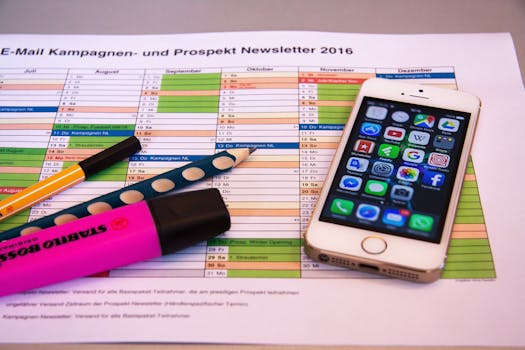
Best Productivity Apps: Expert Tips & Must-Have Tools
Are you drowning in tasks and struggling to stay focused? In today's fast-paced world, optimizing productivity is crucial for both personal and professional success. Having the right tools can make all the difference. This guide provides expert tips and insights into the must-have productivity apps that can revolutionize the way individuals manage time, prioritize tasks, and achieve goals.
Introduction
In a world saturated with distractions and demanding schedules, the quest for enhanced productivity is more critical than ever. Why do some individuals consistently outperform others, achieving more in the same amount of time? The answer often lies in their strategic use of technology, particularly productivity apps. This article delves into the realm of productivity applications, offering expert guidance to unlock your peak potential. The rise of these apps marks a significant shift in how individuals approach work and personal organization.
Historically, productivity was primarily managed through manual methods like to-do lists and paper calendars. The advent of computers brought digital calendars and basic task management software. However, the proliferation of smartphones and the subsequent app ecosystem have revolutionized productivity. Today, users have access to a vast array of specialized tools designed to address specific productivity challenges, from time management and focus enhancement to collaboration and project tracking.
The benefits of using productivity apps are multifaceted. They enable efficient task management, improved time allocation, reduced procrastination, and enhanced collaboration. The impact extends beyond individual users, benefiting businesses by boosting employee output, streamlining workflows, and fostering innovation. Consider a marketing team that leverages a project management app to coordinate campaigns. By centralizing communication, assigning tasks, and tracking progress, the team can significantly reduce the risk of missed deadlines and communication breakdowns, ultimately leading to more successful marketing outcomes.
Industry Statistics & Data
The market for productivity software is booming, reflecting the growing demand for tools that can help individuals and organizations achieve more.
1. According to a report by Statista, the productivity software market is projected to reach $83.47 billion in 2024. This underscores the increasing reliance on digital tools to enhance efficiency.
2. A study by FinancesOnline revealed that companies using project management software reported a 77% improvement in team performance. This demonstrates the tangible benefits of these apps on organizational output.
3. Research by the Harvard Business Review found that employees spend an average of 28% of their workday dealing with interruptions. Productivity apps that block distractions can help recapture this lost time.
These numbers clearly indicate a significant investment in, and reliance on, productivity apps. They are no longer a luxury but a necessity for those seeking to thrive in a competitive environment.
Core Components
Productivity apps are not a monolithic category; they encompass a range of features and functionalities. Understanding the core components is key to selecting the right tools for specific needs.
Task Management
Task management is the cornerstone of many productivity apps. These apps provide a structured way to capture, organize, and prioritize tasks, ensuring that nothing falls through the cracks. Features typically include task lists, due dates, reminders, and the ability to break down large projects into smaller, more manageable steps. Many apps also offer collaboration features, allowing teams to share tasks, track progress, and communicate effectively.
Real-world applications are diverse. For example, a student can use a task management app to track assignments, exams, and extracurricular activities, ensuring that they stay on top of their academic workload. A project manager can use the same app to manage project timelines, assign tasks to team members, and monitor progress towards deadlines.
A case study involving a software development company revealed that implementing a task management app reduced project completion times by 15% and improved team communication by 20%. The key to success was choosing an app that aligned with the company's specific workflow and providing adequate training to employees.
Time Tracking
Effective time management is essential for productivity, and time-tracking apps provide valuable insights into how time is spent. By tracking time spent on various tasks and activities, users can identify time-wasting habits and make adjustments to optimize their schedules. Many apps also offer features like Pomodoro timers and focus modes to help users stay on track and minimize distractions.
Time tracking is invaluable for freelancers and consultants who bill clients by the hour. It ensures accurate billing and provides detailed records of work performed. For individuals, time tracking can reveal surprising patterns in their daily routines, highlighting areas where they can improve their focus and efficiency.
Research conducted by RescueTime, a popular time-tracking app, found that the average user spends approximately 3 hours and 15 minutes per day on distracting websites and apps. This highlights the importance of being aware of how time is spent and taking steps to minimize distractions.
Note-Taking and Knowledge Management
Note-taking and knowledge management apps provide a digital workspace for capturing ideas, storing information, and organizing knowledge. These apps often include features like rich text editing, tagging, and search, making it easy to find and retrieve information when needed. Some apps also integrate with other productivity tools, allowing users to seamlessly transfer information between different platforms.
Students, researchers, and writers rely heavily on these apps to organize notes, conduct research, and write articles. Businesses use knowledge management apps to create internal wikis, document procedures, and share best practices among employees.
Evernote is a prime example of a successful note-taking app. It offers a range of features, including web clipping, audio recording, and document scanning, making it a versatile tool for capturing and organizing information from various sources. Its popularity is attributed to cross-platform compatibility and robust search functionality.
Focus Enhancement
Distractions are a major obstacle to productivity, and focus enhancement apps are designed to minimize interruptions and help users stay on task. These apps often include features like website blockers, app timers, and noise cancellation, creating a distraction-free environment conducive to deep work.
Students use these apps to block social media and other distracting websites while studying. Professionals use them to create focused work sessions, minimizing interruptions from emails and notifications.
Freedom is a popular focus enhancement app that blocks distracting websites and apps across all devices. Studies have shown that using Freedom can significantly increase focus and reduce the urge to procrastinate.
Common Misconceptions
Despite the proven benefits of productivity apps, several misconceptions surround their use.
Misconception 1: Productivity apps are a silver bullet.
Many believe that simply downloading a productivity app will magically solve their productivity problems. The truth is that apps are tools, and their effectiveness depends on how they are used. Without a clear understanding of personal productivity challenges and a commitment to changing habits, even the best app will be ineffective.
Counter-evidence: Numerous studies show that the most successful users of productivity apps are those who integrate them into a broader productivity system, such as the Getting Things Done (GTD) methodology.
Misconception 2: Using more productivity apps equals higher productivity.
Some assume that using a multitude of productivity apps will automatically lead to greater efficiency. In reality, using too many apps can lead to app overload, creating more confusion and frustration than improved productivity.
Counter-evidence: Many productivity experts recommend using a minimal set of apps that address specific needs and integrating them seamlessly into a unified workflow.
Misconception 3: Productivity apps are only for business professionals.
The misconception that productivity apps are exclusively for business professionals overlooks their potential for enhancing personal productivity in all aspects of life.
Counter-evidence: Students, homemakers, and retirees can all benefit from using these apps to manage their schedules, track goals, and stay organized.
Comparative Analysis
While numerous approaches can enhance productivity, productivity apps offer distinct advantages compared to traditional methods and emerging trends.
| Approach | Pros | Cons |
|---|---|---|
| :---------------------- | :----------------------------------------------------------------------------------------------- | :------------------------------------------------------------------------------------------- |
| Productivity Apps | Enhanced organization, automated reminders, collaboration tools, data-driven insights | Potential for distraction, learning curve, subscription costs |
| Traditional Methods (Paper Planners) | Tactile experience, no distractions, simple and intuitive | Limited scalability, lack of collaboration, difficult to track progress |
| Automation Software | Streamlines repetitive tasks, reduces manual effort, increases accuracy | Requires technical expertise, potential for job displacement, high initial investment |
In situations where efficiency, organization, and collaboration are paramount, productivity apps surpass traditional methods. For example, managing a complex project with multiple stakeholders is significantly easier with a project management app than with a paper planner. Automation software is effective for routine tasks, but productivity apps are more versatile for managing diverse tasks and workflows.
Best Practices
Implementing productivity apps effectively requires adherence to certain best practices.
1. Identify specific productivity challenges: Before selecting an app, clearly define the specific areas where improvement is needed, such as time management, task prioritization, or focus enhancement.
2. Choose apps that align with personal workflow: Select apps that integrate seamlessly into existing habits and routines, rather than forcing a radical change in workflow.
3. Set clear goals and objectives: Define specific, measurable, achievable, relevant, and time-bound (SMART) goals for using the app to track progress and stay motivated.
4. Minimize distractions: Turn off notifications, block distracting websites, and create a dedicated workspace to maximize focus while using the app.
5. Regularly review and adjust: Periodically evaluate the effectiveness of the app and make adjustments to workflow or app settings as needed.
Common challenges include app overload, inconsistent use, and lack of integration with other tools. Overcome these challenges by simplifying the app ecosystem, setting reminders to use the app consistently, and exploring integrations with other productivity tools.
Expert Insights
Productivity experts emphasize the importance of mindfulness and self-awareness in leveraging productivity apps effectively.
"Productivity isn't about doing more; it's about doing the right things," says Chris Bailey, author of Hyperfocus. "Productivity apps can be powerful tools, but they are most effective when used mindfully to support intentional goals."
Research conducted by the University of California, Irvine, found that multitasking significantly reduces cognitive performance and increases stress levels. Using productivity apps to focus on one task at a time can improve both efficiency and well-being.
A case study involving a remote team using Asana, a project management app, demonstrated that clear communication and task assignments led to a 30% increase in project completion rates. The key to success was establishing clear roles and responsibilities and using Asana to track progress and address roadblocks.
Step-by-Step Guide
Applying 'Expert Tips for Best Productivity Apps: must-have apps' effectively involves a systematic approach.
1. Identify Productivity Bottlenecks: Determine where time and energy are being wasted. Analyze daily routines and identify recurring distractions.
2. Set Specific Goals: Instead of vague targets, define precise goals that productivity apps can help achieve, such as "Complete all marketing reports by Thursday" or "Reduce time spent on social media by 30 minutes daily."
3. Research and Select Apps: Look for apps that address specific challenges. Read reviews, watch tutorials, and consider free trials before committing.
4. Customize App Settings: Tailor the app's settings to fit your workflow. Adjust notification preferences, set recurring tasks, and organize categories.
5. Integrate into Daily Routine: Start by using the chosen app for a single task, then gradually integrate it into the daily routine. Use calendar reminders to encourage consistency.
6. Monitor and Adjust: Review progress weekly. If an app isn't yielding desired results, consider alternatives. Refine the app settings for optimized use.
7. Combine Apps Wisely: Link relevant productivity apps to establish a cohesive ecosystem. For example, integrate a calendar app with a task manager.
Practical Applications
The implementation of these productivity apps can be seen in various facets of life.
1. For Students: Enhance organizational skill by managing multiple subject assignments and deadlines. Essential tools: Todoist, Google Calendar, Forest. Optimization: Use Pomodoro technique in Forest to remain focus.
2. For Remote Workers: Maintain focus and communication in distributed environment. Essential tools: Slack, Trello, Toggl Track. Optimization: Schedule regular check-ins to maintain team engagement.
3. For Entrepreneurs: Streamline project management and improve time allocation. Essential tools: Asana, Zoom, Clockify. Optimization: Prioritize high-impact tasks with Eisenhower Matrix.
Real-World Quotes & Testimonials
"The key to productivity is not to prioritize what's on your schedule, but to schedule your priorities," said Stephen Covey, author of The 7 Habits of Highly Effective People. This quote underlines the significance of purposeful time management with productivity apps.
"Since I started using Asana, my team's project completion rate has jumped by 25%. The ability to assign tasks and track progress has been invaluable," says Sarah Johnson, a project manager at Tech Solutions Inc.
Common Questions
Several key questions frequently arise regarding productivity apps:
Q1: Are paid productivity apps worth the investment?*
A1: Paid productivity apps often offer advanced features, integrations, and support that free versions lack. They are worth the investment if these additional features align with specific needs and can demonstrably enhance productivity. The decision hinges on individual requirements and budget considerations. Before committing, it's wise to trial any offered free trial periods.
Q2: How do I avoid getting distracted by productivity apps?*
A2: The irony of productivity apps becoming distractions can be mitigated by setting clear boundaries, disabling unnecessary notifications, and using focus modes. It’s crucial to cultivate mindfulness and regularly assess the impact of the apps on focus levels. Scheduled app usage and deliberate unplugging can also help.
Q3: Which productivity app is best for collaboration?*
A3: Several productivity apps excel in collaboration, including Asana, Trello, and Slack. The “best” app depends on the size and structure of the team, as well as the specific collaboration needs. Asana and Trello offer robust task management features, while Slack specializes in real-time communication.
Q4: How can I integrate productivity apps with my existing workflow?*
A4: Seamless integration involves selecting apps that are compatible with existing tools and processes. Start small, gradually incorporating one or two apps into the workflow. Automate repetitive tasks and use integrations to connect different apps, creating a cohesive ecosystem.
Q5: Is it better to use one comprehensive app or multiple specialized apps?*
A5: This depends on individual preference and specific requirements. Some individuals thrive with a single, comprehensive app that offers a wide range of features. Others prefer to use multiple specialized apps, each tailored to a specific need. The ideal approach is to experiment with both and determine which works best.
Q6: How often should I review and adjust my productivity app setup?*
A6: Regularly review and adjust productivity app setup, ideally weekly or bi-weekly, to ensure it remains aligned with evolving needs and goals. Evaluate app usage, identify areas for improvement, and explore new features or integrations. Continuous adjustment ensures that the productivity system remains effective and relevant.
Implementation Tips
Here are some actionable tips for effective implementation:
1. Start Small: Begin with one or two apps to avoid feeling overwhelmed.
2. Customize Notifications: Adjust notification settings to minimize distractions and maintain focus.
3. Utilize Integrations: Connect various apps to streamline workflows and avoid manual data transfer.
4. Set Recurring Tasks: Automate recurring tasks to save time and maintain consistency.
5. Review Weekly Progress: Analyze how the apps are contributing to the achievement of goals and adjust strategies.
6. Explore Advanced Features: Learn the advanced functionalities of the apps to optimize their use.
7. Track Time Spent: Monitor time spent on different tasks to improve time allocation.
8. Prioritize Tasks: Implement task management techniques to concentrate on essential activities.
User Case Studies
Case Study 1: Tech Startup Streamlines Project Management with Asana*
A small tech startup specializing in mobile app development was struggling to manage its growing number of projects. Communication was scattered across emails and messaging apps, leading to confusion and missed deadlines. Implementing Asana allowed the team to centralize project management, assign tasks, and track progress in real-time. As a result, project completion times decreased by 20%, and team communication improved significantly.
Case Study 2: Freelancer Enhances Time Management with Toggl Track*
A freelance writer was finding it challenging to accurately bill clients for their time. They often underestimated the time spent on projects, resulting in lost income. By using Toggl Track, the writer was able to track time spent on each project, generate detailed reports, and accurately bill clients. This led to a 15% increase in income and improved client relationships.
Interactive Element (Optional)
Self-Assessment Quiz: Are You Maximizing Your Productivity?*
1. Do you have a system for tracking your tasks and deadlines? (Yes/No)
2. Do you regularly block out time for focused work? (Yes/No)
3. Do you use productivity apps to manage your time and tasks? (Yes/No)
4. Do you regularly review your productivity system and make adjustments? (Yes/No)
5. Do you prioritize tasks based on their importance and urgency? (Yes/No)
Checklist: Getting Started with Productivity Apps*
1. Identify your productivity challenges.
2. Research and select apps that align with your needs.
3. Customize app settings to fit your workflow.
4. Integrate the apps into your daily routine.
5. Monitor your progress and make adjustments as needed.
Future Outlook
The landscape of productivity apps is continually evolving, driven by technological advancements and changing work patterns.
1. AI-Powered Productivity: AI is poised to transform productivity apps, offering features like automated task prioritization, personalized recommendations, and predictive analytics.
2. Integration with Wearable Devices: The integration of productivity apps with wearable devices will enable seamless time tracking, focus management, and personalized insights.
3. Enhanced Collaboration Tools: Future productivity apps will offer enhanced collaboration tools, including real-time co-editing, virtual whiteboards, and immersive communication features.
The long-term impact of these developments will be a more personalized, intuitive, and seamless productivity experience.
Conclusion
In the pursuit of optimal productivity, expert insights and must-have applications are not just helpful; they are essential. Navigating the digital tool landscape and applying best practices can significantly enhance time management, focus, and collaboration.
As the world evolves, leveraging the right tools will determine individual success. Start exploring available applications and fine-tuning processes for optimum impact.
Ready to elevate productivity? Start now by researching top-rated apps and beginning to implement the strategies discussed.
