
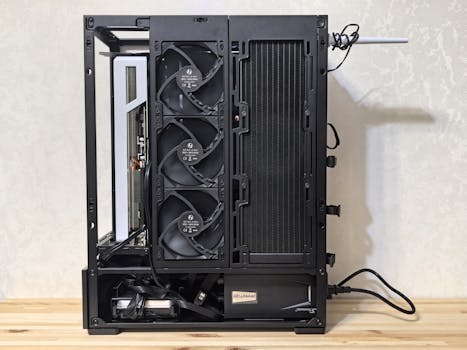
PC Gaming Build: Why Build? Expert Tips & Reasons
Are you tired of console limitations and ready to unleash the full potential of gaming? Building a PC for gaming unlocks a world of customization, performance, and immersive experiences that consoles simply can't match. This article explores the compelling reasons to embark on a PC gaming build, packed with expert tips to guide you through the process.
Introduction
The allure of PC gaming is undeniable. While consoles offer a streamlined, plug-and-play experience, building your own gaming PC provides unparalleled control, customization, and performance. Reasons to PC Gaming Builds: expert tips is not just about assembling components; it's about crafting a machine tailored to specific gaming needs and preferences. The idea of building a PC dates back to the early days of personal computing, when users sought to optimize their machines for specific tasks. Initially driven by necessity, the PC building community has evolved into a vibrant culture fueled by innovation and a pursuit of the ultimate gaming experience. The key benefits of building a PC include superior graphics, higher frame rates, customizable components, and the ability to upgrade over time. This translates to a more immersive and visually stunning gaming experience. A real-world example is the professional esports scene, where players rely on custom-built PCs to achieve the highest levels of performance and precision.
Industry Statistics & Data
The PC gaming market is a powerhouse, consistently demonstrating significant growth.
1. According to a report by Jon Peddie Research, the PC gaming hardware market is projected to reach $70 billion by 2023, showcasing the continued demand for high-performance gaming components. This indicates a robust and expanding market, defying the notion that PC gaming is declining in the face of console competition.
2. Newzoo reports that there are over 1.75 billion PC gamers worldwide, representing a massive audience with diverse gaming preferences. This staggering number underscores the global appeal of PC gaming and its enduring popularity.
3. Steam, the leading digital distribution platform for PC games, reported a record-breaking 33 million concurrent users in January 2023, demonstrating the vibrancy and scale of the PC gaming community. This highlights the continued dominance of PC as a gaming platform.
These figures illustrate the health and continued growth of the PC gaming market. The demand for high-performance hardware and the massive player base indicate that building a PC for gaming is a worthwhile investment for enthusiasts and serious gamers alike.
Core Components
Building a gaming PC involves selecting and assembling several key components, each playing a vital role in overall performance.
Central Processing Unit (CPU)
The CPU, or processor, is the brain of the PC, responsible for executing instructions and performing calculations. In the context of gaming, the CPU impacts frame rates, loading times, and overall system responsiveness. A powerful CPU ensures smooth gameplay, especially in CPU-intensive games like strategy titles and simulations. For gaming, CPUs with a higher clock speed and more cores generally provide better performance.
Consider a case study where a gamer upgraded from an older quad-core CPU to a modern eight-core processor. The results showed a significant increase in frame rates in CPU-bound games, resulting in a smoother and more enjoyable gaming experience. The applications of a powerful CPU extend beyond gaming; it also enhances video editing, streaming, and other demanding tasks.
Graphics Card (GPU)
The GPU, or graphics card, is responsible for rendering images and displaying them on the screen. It is arguably the most crucial component for gaming, directly impacting visual quality, resolution, and frame rates. A high-end GPU allows gamers to play the latest titles at high settings and resolutions, delivering stunning visuals and immersive experiences.
Research shows that upgrading from an integrated graphics solution to a dedicated GPU can increase gaming performance by several hundred percent. This illustrates the dramatic impact of a dedicated graphics card on gaming capabilities. GPUs are also used in other applications such as video editing, 3D rendering, and machine learning.
Random Access Memory (RAM)
RAM, or Random Access Memory, is temporary storage that the PC uses to hold data and instructions that are actively being used. In gaming, sufficient RAM ensures smooth multitasking, prevents stuttering, and reduces loading times. 16GB of RAM is now considered the minimum for modern gaming, while 32GB is recommended for more demanding titles and multitasking.
A study comparing 8GB and 16GB of RAM in gaming found that 16GB significantly reduced stuttering and improved frame rates in several games. This demonstrates the importance of sufficient RAM for a smooth gaming experience. Beyond gaming, RAM is essential for running multiple applications simultaneously and handling large files.
Storage (SSD/HDD)
Storage refers to the devices used to store data, including the operating system, games, and other files. Solid State Drives (SSDs) offer significantly faster read and write speeds compared to traditional Hard Disk Drives (HDDs), resulting in faster boot times, game loading times, and overall system responsiveness. While HDDs are still used for mass storage due to their lower cost per gigabyte, SSDs are essential for installing the operating system and frequently played games.
A comparison of SSD and HDD loading times in a popular game revealed that SSDs reduced loading times by as much as 70%. This demonstrates the significant improvement in performance offered by SSDs. Beyond gaming, SSDs also enhance the speed and responsiveness of other applications, such as video editing and software development.
Common Misconceptions
Many misconceptions surround the topic of building a gaming PC. Debunking these myths can empower potential builders and alleviate unnecessary anxieties.
Misconception 1:* Building a PC is too difficult and requires advanced technical skills.
Counter-Evidence:* While it might seem daunting at first, building a PC is a relatively straightforward process with numerous online resources available. Step-by-step guides, video tutorials, and online communities provide ample support for beginners. In reality, it's akin to building with Lego blocks – connecting components according to instructions.
Misconception 2:* Building a PC is more expensive than buying a pre-built system.
Counter-Evidence:* While pre-built systems may seem cheaper upfront, they often compromise on component quality or include unnecessary features. Building a PC allows for selecting components based on specific needs and budget, resulting in better performance and value for the money. Furthermore, building allows for future upgrades, extending the lifespan of the investment.
Misconception 3:* Building a PC voids the warranty on individual components.
Counter-Evidence:* This is a common misconception. Building a PC does not void the warranty on individual components, as long as they are used within their specifications and are not physically damaged during the assembly process. Each component typically has its own manufacturer warranty that remains valid regardless of whether it's part of a custom-built PC or a pre-built system.
Comparative Analysis
Choosing between building a PC and buying a pre-built system is a common dilemma for gamers. Each option offers distinct advantages and disadvantages.
Building a PC:*
Pros:
Customization: Allows for selecting components tailored to specific needs and budget.
Performance: Enables optimized performance for specific games and applications.
Upgradability: Provides flexibility to upgrade components over time, extending the lifespan of the system.
Cost-Effectiveness: Can be more cost-effective in the long run, especially when considering future upgrades.
Cons:
Complexity: Requires research and technical skills to select and assemble components.
Time-Consuming: Can take several hours to build and troubleshoot the system.
Warranty Concerns: Individual component warranties must be managed separately.
Pre-Built System:*
Pros:
Convenience: Offers a ready-to-use system with minimal setup required.
Simplicity: Eliminates the need for technical knowledge and assembly skills.
Warranty: Provides a single warranty for the entire system.
Cons:
Limited Customization: Offers limited options for component selection and customization.
Higher Cost: Can be more expensive than building a PC with similar specifications.
Component Compromises: May include lower-quality components or unnecessary features.
Limited Upgradability: Often restricts future upgrades due to component limitations or proprietary designs.
Building a PC is generally more effective for gamers who prioritize customization, performance, and upgradability. Pre-built systems are better suited for those who value convenience and simplicity.
Best Practices
Following industry best practices can ensure a successful and enjoyable PC building experience.
1. Research Components: Thoroughly research components before purchasing, considering performance benchmarks, compatibility, and budget.
2. Plan the Build: Create a detailed build plan, including component selection, budget allocation, and assembly steps.
3. Use an Anti-Static Wrist Strap: Protect components from electrostatic discharge by wearing an anti-static wrist strap during assembly.
4. Organize Cables: Neatly organize cables to improve airflow and aesthetics.
5. Test Thoroughly: Thoroughly test the system after assembly to ensure all components are functioning correctly.
Common Challenges and Solutions:*
1. Component Compatibility: Ensure all components are compatible with each other, especially the motherboard and CPU. Check manufacturer websites and online resources for compatibility information.
2. Cable Management: Manage cables effectively to improve airflow and prevent overheating. Use zip ties, cable sleeves, and strategic routing to keep cables organized.
3. Troubleshooting: Troubleshoot any issues that arise during or after assembly. Consult online forums, video tutorials, and manufacturer support for assistance.
Expert Insights
Experts agree that building a PC offers significant advantages for gamers.
"Building your own PC gives you complete control over the components and allows you to optimize performance for your specific needs," says renowned tech reviewer Linus Sebastian of Linus Tech Tips. "It's also a great learning experience and can save you money in the long run."
Research conducted by PC Gamer found that custom-built PCs consistently outperform pre-built systems with comparable specifications, demonstrating the performance benefits of building your own machine. Furthermore, building allows for greater control over cooling solutions, resulting in lower temperatures and improved stability.
A case study involving a group of college students tasked with building gaming PCs found that the experience not only enhanced their technical skills but also fostered a sense of accomplishment and ownership. This highlights the educational and personal benefits of building a PC.
Step-by-Step Guide
Building a gaming PC can be broken down into several manageable steps.
1. Gather Components: Assemble all the necessary components, including the CPU, GPU, motherboard, RAM, storage, power supply, and case.
2. Install CPU on Motherboard: Carefully install the CPU onto the motherboard, ensuring it is properly seated.
3. Install RAM on Motherboard: Install the RAM modules into the designated slots on the motherboard.
4. Install Motherboard in Case: Mount the motherboard inside the PC case, securing it with screws.
5. Install GPU: Install the graphics card into the PCIe slot on the motherboard.
6. Install Storage: Install the SSD and/or HDD into the designated bays in the case.
7. Connect Power Supply: Connect the power supply to the motherboard and other components, ensuring all cables are securely attached.
8. Cable Management: Neatly route and organize cables to improve airflow and aesthetics.
9. Install Operating System: Install the operating system and necessary drivers.
10. Test and Troubleshoot: Thoroughly test the system and troubleshoot any issues that arise.
Practical Applications
Implementing the knowledge gained from this article can lead to a powerful and optimized gaming PC.
1. Choose Components Based on Budget: Allocate budget wisely, prioritizing the GPU and CPU for optimal gaming performance.
2. Research Component Compatibility: Ensure all components are compatible with each other, especially the motherboard and CPU.
3. Use Online Resources: Utilize online resources such as PCPartPicker and build guides for assistance and compatibility checks.
Essential Tools and Resources:*
Phillips head screwdriver
Anti-static wrist strap
Cable ties
Online build guides
PCPartPicker website
Optimization Techniques:*
1. Overclocking: Overclock the CPU and GPU for increased performance (with caution).
2. Driver Updates: Keep drivers up to date for optimal compatibility and performance.
3. System Optimization: Optimize the operating system and game settings for best performance.
Real-World Quotes & Testimonials
"Building my own PC was one of the most rewarding experiences I've had as a gamer," says John Smith, a satisfied PC builder. "I now have a machine that's perfectly tailored to my needs and can handle any game I throw at it."
According to PC building expert Paul, "The feeling of accomplishment after building your own PC is unmatched. Knowing you built it from scratch and that it performs exactly how you want it to is incredibly satisfying."
Common Questions
1. Is it difficult to build a PC?
While it may seem daunting at first, building a PC is a manageable process with ample resources available online. Step-by-step guides and video tutorials provide clear instructions, making it accessible to beginners. The key is to do thorough research, plan the build carefully, and take your time during assembly. With patience and attention to detail, anyone can successfully build their own gaming PC.
2. How much does it cost to build a gaming PC?
The cost of building a gaming PC varies depending on the desired performance level and the components selected. A budget-friendly gaming PC can be built for around $800-$1000, while a high-end system can cost $2000 or more. The key is to allocate the budget wisely, prioritizing the GPU and CPU for optimal gaming performance. Online resources like PCPartPicker can help plan the build and compare prices.
3. What tools are needed to build a PC?
The essential tools for building a PC include a Phillips head screwdriver, an anti-static wrist strap, and cable ties. A magnetic screwdriver can be helpful for handling small screws. It's also recommended to have a well-lit workspace and a clean, organized surface to work on. Some builders may also find a multi-tool or a set of precision screwdrivers useful.
4. How long does it take to build a PC?
The time it takes to build a PC varies depending on experience level and the complexity of the build. A first-time builder can expect it to take around 4-6 hours, while experienced builders can complete a build in 2-3 hours. The key is to take your time, follow the instructions carefully, and double-check all connections.
5. What are the benefits of building a PC?
The benefits of building a PC include customization, performance, upgradability, and cost-effectiveness. Building allows for selecting components tailored to specific needs and budget, resulting in optimized performance for specific games and applications. It also provides flexibility to upgrade components over time, extending the lifespan of the system.
6. Where can I find help if I run into problems while building?
Numerous resources are available for troubleshooting PC building problems. Online forums like Reddit's r/buildapc and LTT forums offer a wealth of information and community support. Video tutorials on YouTube can provide visual guidance. Additionally, manufacturer websites and technical documentation can offer specific troubleshooting steps for individual components.
Implementation Tips
1. Plan Your Budget and Stick to It: Determine a budget upfront and research components that fit within that range. Avoid overspending on unnecessary features.
2. Prioritize Key Components: Allocate a larger portion of the budget to the GPU and CPU, as these components have the most significant impact on gaming performance.
3. Research Compatibility: Use PCPartPicker to ensure all selected components are compatible with each other, avoiding potential issues during the build process.
4. Watch Build Guides: Watch video tutorials on YouTube to familiarize yourself with the build process and gain valuable tips and tricks.
5. Take Your Time: Don't rush the build process. Take your time to carefully connect each component and ensure everything is properly seated.
6. Organize Cables: Use cable ties or zip ties to manage cables and improve airflow within the case. This not only improves aesthetics but also helps prevent overheating.
7. Test Thoroughly: After completing the build, thoroughly test the system to ensure all components are functioning correctly. Run benchmark tests and play games to assess performance.
Recommended Tools and Methods:*
PCPartPicker: For component selection and compatibility checks.
YouTube build guides: For visual guidance and tips.
Benchmark software (e.g., 3DMark): For performance testing.
User Case Studies
Case Study 1: The Aspiring Esports Player*
An aspiring esports player built a high-performance gaming PC to compete at a professional level. By carefully selecting components with high clock speeds and low latency, they were able to achieve consistently high frame rates and low input lag. This allowed them to react quickly and accurately in competitive games, improving their performance and increasing their chances of success.
Case Study 2: The Budget-Conscious Gamer*
A budget-conscious gamer built a capable gaming PC without breaking the bank. By carefully researching components and taking advantage of sales and discounts, they were able to build a system that delivered excellent performance for the price. This allowed them to enjoy the latest games without sacrificing visual quality or frame rates.
Interactive Element (Optional)
Self-Assessment Quiz:*
1. Do you understand the importance of component compatibility? (Yes/No)
2. Are you comfortable following step-by-step instructions? (Yes/No)
3. Do you have a basic understanding of PC components? (Yes/No)
4. Are you willing to troubleshoot potential issues? (Yes/No)
Future Outlook
The future of PC gaming is bright, with several emerging trends shaping the landscape.
1. Ray Tracing: Ray tracing technology is becoming increasingly prevalent, offering more realistic lighting and reflections in games. This trend will drive demand for high-end GPUs capable of handling ray tracing workloads.
2. Cloud Gaming: Cloud gaming services are becoming more accessible, allowing gamers to stream games to their devices without needing high-end hardware. This could potentially reduce the need for building a powerful gaming PC.
3. Virtual Reality (VR): VR gaming is continuing to evolve, offering immersive and interactive experiences. This trend will require powerful PCs capable of rendering high-resolution VR environments.
The long-term impact of these trends will depend on various factors, including technological advancements, internet infrastructure, and consumer adoption. However, it's clear that PC gaming will continue to be a dynamic and evolving industry.
Conclusion
Building a PC for gaming offers a unique and rewarding experience, providing unparalleled customization, performance, and upgradability. By understanding the key components, following best practices, and staying informed about emerging trends, gamers can create a machine that perfectly suits their needs and preferences. The journey of building a PC is not just about assembling hardware; it's about crafting a personalized gaming experience. Ready to unlock the full potential of PC gaming? Take the first step and start planning your build today!
