
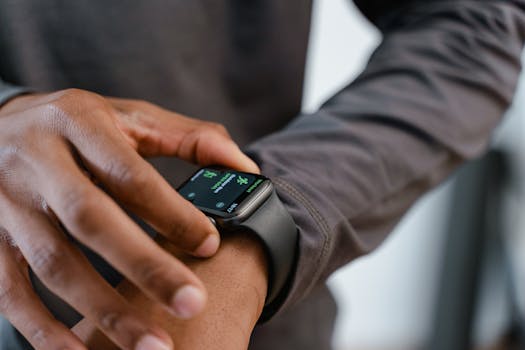
SEO-Optimized Title:*
Fitness Trackers 2025: Top Reasons to Buy & Future Trends
Reasons to Fitness Trackers: 2025 Trends
Are you wondering if a fitness tracker is worth the investment? The landscape of personal health is rapidly evolving, and fitness trackers are no longer mere pedometers. They are sophisticated devices offering a wealth of data and insights. Understanding the compelling reasons to invest in a fitness tracker, particularly as we approach 2025, is crucial for anyone serious about their health and well-being.
Introduction
The question of whether to invest in a fitness tracker in 2025 is not just about following a trend; it's about embracing a proactive approach to personal health management. Reasons to consider fitness trackers are constantly evolving. What started as simple step counters has transformed into sophisticated devices capable of tracking everything from heart rate variability to sleep patterns. This evolution is driven by advancements in sensor technology, data analytics, and artificial intelligence, making these devices increasingly valuable tools for understanding and optimizing individual well-being.
Historically, fitness tracking began with basic pedometers, mechanical devices that counted steps. These were popularized in the 1960s and 70s. The modern era of fitness trackers truly began with the emergence of devices like the Fitbit in the late 2000s. These devices were smaller, more accurate, and connected to online platforms for data tracking and social sharing. Now, we see smartwatches and dedicated fitness bands integrating advanced sensors, GPS, and smartphone connectivity. The trend continues toward more personalized and predictive health insights.
The key benefits of fitness trackers extend beyond simply counting steps. They provide valuable data on activity levels, sleep quality, heart rate, and even stress levels. This information can be used to identify patterns, set goals, and make informed decisions about lifestyle choices. For example, someone struggling with insomnia might use a fitness tracker to identify patterns in their sleep and adjust their bedtime routine accordingly. These trackers also promote motivation through gamification and social challenges, encouraging users to stay active and engaged in their fitness journey. The impact extends beyond individual users, with potential applications in corporate wellness programs and healthcare management.
A real-world example of the impact of fitness trackers is their use in clinical studies. Researchers are leveraging the data collected by these devices to better understand chronic diseases, assess the effectiveness of interventions, and personalize treatment plans. For example, a study published in the Journal of the American Medical Association used Fitbit data to monitor the activity levels of patients with heart failure, allowing doctors to tailor their treatment and improve outcomes. This highlights the potential of fitness trackers as valuable tools for both individual health management and medical research.
Industry Statistics & Data
The fitness tracker market is experiencing significant growth and is projected to continue expanding in the coming years. Several industry statistics highlight this trend:
1. Market Size: According to a report by Statista, the global fitness tracker market was valued at approximately \$36.34 billion in 2023 and is projected to reach \$53.51 billion by 2028, growing at a CAGR of 8.19% during the forecast period. This indicates a strong and sustained demand for fitness tracking devices.
2. Adoption Rate: A survey conducted by Pew Research Center found that approximately 21% of U.S. adults regularly use a fitness tracker or smartwatch. This percentage is likely to increase as technology improves and devices become more affordable.
3. Feature Preferences: Data from a study by Global Market Insights revealed that heart rate monitoring and sleep tracking are the most sought-after features in fitness trackers. This suggests that consumers are increasingly interested in comprehensive health insights beyond basic activity tracking.
These numbers indicate the growing importance of fitness trackers in the consumer electronics and healthcare industries. The increasing market size reflects the rising awareness of personal health and the desire for data-driven insights. The adoption rate demonstrates that a significant portion of the population is actively using these devices. The feature preferences highlight the evolving needs of consumers, who are now looking for more advanced and comprehensive health tracking capabilities. This data underscores the potential for further innovation and growth in the fitness tracker market.
Core Components
Fitness trackers rely on several core components to provide accurate and useful data. Three essential aspects are:
Sensors
The foundation of any fitness tracker is its array of sensors. These sensors collect data on various aspects of the user's physical activity and physiological state. Accelerometers track movement and count steps, while gyroscopes determine orientation and rotational movements. Heart rate sensors use optical technology or electrocardiography (ECG) to measure heart rate and heart rate variability. Some advanced trackers also include sensors for measuring skin temperature, blood oxygen levels (SpO2), and even electrodermal activity (EDA) to estimate stress levels.
The accuracy and reliability of these sensors are crucial for providing meaningful data. Real-world applications include monitoring activity levels for individuals with chronic conditions, tracking sleep patterns to diagnose sleep disorders, and providing real-time feedback during exercise to optimize performance. For example, a study published in the Journal of Medical Internet Research found that the accuracy of wrist-worn heart rate sensors in fitness trackers varied depending on the activity being performed, highlighting the need for continuous improvement in sensor technology. Case studies have also shown how sensor data from fitness trackers can be used to detect early signs of illness, such as changes in heart rate or sleep patterns, allowing users to seek medical attention sooner.
Data Processing & Algorithms
The raw data collected by the sensors is meaningless without sophisticated data processing and algorithms. These algorithms filter noise, correct errors, and convert the raw data into meaningful metrics, such as steps taken, distance traveled, calories burned, sleep duration, and heart rate zones. Machine learning algorithms are increasingly being used to personalize the data and provide more accurate and relevant insights based on individual user characteristics and activity patterns.
Real-world applications of data processing and algorithms include providing personalized fitness recommendations, predicting potential health risks, and tracking progress towards fitness goals. For example, some fitness trackers use machine learning algorithms to analyze sleep data and provide personalized tips for improving sleep quality. These algorithms can also be used to detect anomalies in heart rate patterns that may indicate underlying health issues. Research examples include studies that have used data from fitness trackers to develop algorithms for predicting cardiovascular risk and identifying individuals at risk of developing diabetes. The effectiveness of these algorithms depends on the quality and quantity of data available, as well as the sophistication of the algorithms themselves.
Connectivity & Software
Connectivity and software are essential for transmitting data from the fitness tracker to a smartphone or computer and for presenting the data in a user-friendly format. Most fitness trackers use Bluetooth to connect to mobile devices, allowing users to view their data in a companion app. The software also allows users to set goals, track progress, participate in challenges, and share their data with friends and family. Advanced features include integration with third-party apps, such as MyFitnessPal and Strava, and the ability to receive notifications and control music playback.
Real-world applications of connectivity and software include providing remote monitoring for patients with chronic conditions, facilitating communication between patients and healthcare providers, and supporting social support and motivation. For example, some healthcare providers use fitness tracker data to monitor the activity levels and sleep patterns of patients with diabetes, allowing them to adjust medication dosages and provide personalized recommendations. Case studies have also shown how social features in fitness tracker apps can help users stay motivated and achieve their fitness goals. The usability and functionality of the software are critical for user engagement and adherence to fitness programs.
Common Misconceptions
Several misconceptions surround fitness trackers, hindering their full potential. Addressing these misconceptions is crucial for promoting informed decision-making.
1. Misconception: Fitness trackers are only for athletes or fitness enthusiasts.
Reality: While athletes can benefit from the detailed data provided by fitness trackers, these devices are also valuable for individuals of all fitness levels. They can help sedentary individuals become more aware of their activity levels and encourage them to move more. The basic functions, such as step counting and sleep tracking, are beneficial for anyone looking to improve their overall health and well-being. For example, an elderly person could use a fitness tracker to monitor their daily activity and ensure they are getting enough exercise to maintain their mobility and independence.
2. Misconception: Fitness trackers are always accurate.
Reality: While fitness trackers have become more accurate over time, they are not perfect. The accuracy of sensors can vary depending on the device, the activity being performed, and the individual user's characteristics. For example, heart rate sensors may be less accurate during high-intensity exercise or for individuals with dark skin tones. It is important to be aware of the limitations of these devices and not rely solely on their data for making critical health decisions. Instead, use the data as a general guide and consult with a healthcare professional for personalized advice. Research has shown that while step counts are generally accurate, calorie estimations can be less reliable.
3. Misconception: Fitness trackers are a substitute for a healthy lifestyle.
Reality: A fitness tracker is a tool that can help you track your progress and stay motivated, but it is not a substitute for a healthy lifestyle. It is important to eat a balanced diet, get enough sleep, manage stress, and engage in regular physical activity. A fitness tracker can help you monitor your activity levels and sleep patterns, but it cannot do the work for you. It is essential to combine the use of a fitness tracker with other healthy habits to achieve optimal health and well-being. For example, wearing a fitness tracker while consuming processed foods and remaining sedentary will not yield the same benefits as wearing a tracker while maintaining a balanced diet and engaging in regular exercise.
Comparative Analysis
Fitness trackers are not the only tools available for monitoring health and fitness. Alternative approaches include smartphone apps, smartwatches without dedicated fitness tracking features, and traditional methods like manual tracking. A comparative analysis can help determine when a fitness tracker is the most suitable option.
Smartphone Apps: Many smartphones have built-in pedometers and fitness tracking apps. These apps are convenient because most people already carry their phones with them.
Pros: Readily available, no additional cost, integration with other smartphone features.
Cons: Less accurate than dedicated fitness trackers, limited sensor capabilities, drains battery life.
Smartwatches: Smartwatches offer a wider range of features than fitness trackers, including notifications, communication, and app support. Some smartwatches also include fitness tracking capabilities.
Pros: Multifunctional, stylish design, advanced features like GPS and heart rate monitoring.
Cons: More expensive than fitness trackers, shorter battery life, may be less accurate for fitness tracking.
Traditional Methods: Traditional methods include manual tracking of activity levels, food intake, and sleep patterns.
Pros: No cost, no technology required, can be personalized to individual needs.
Cons: Time-consuming, prone to errors, lacks detailed data and insights.
Fitness trackers are often the most effective choice for individuals who are primarily interested in tracking their health and fitness. They offer a balance of accuracy, affordability, and battery life. While smartphone apps are convenient, they lack the precision of dedicated sensors. Smartwatches offer more features but come at a higher price. Traditional methods are cost-effective but require more effort and are less accurate. In situations where detailed data and insights are needed to optimize training or manage health conditions, a fitness tracker is the superior choice.
Best Practices
Implementing best practices is essential for maximizing the benefits of fitness trackers and ensuring accurate and reliable data. Here are five industry standards to consider:
1. Proper Fit: Ensure the fitness tracker fits snugly on the wrist, but not too tightly. A loose fit can lead to inaccurate readings, while a tight fit can cause discomfort. Follow the manufacturer's instructions for proper placement.
2. Consistent Usage: Wear the fitness tracker consistently, even during sleep, to capture a complete picture of your activity levels and sleep patterns. This allows for more accurate data analysis and personalized insights.
3. Regular Synchronization: Synchronize the fitness tracker with your smartphone or computer regularly to upload data and receive updates. This ensures that your data is backed up and that you have access to the latest features and bug fixes.
4. Calibration: Calibrate the fitness tracker according to the manufacturer's instructions. This may involve entering your height, weight, and other personal information to improve the accuracy of the data.
5. Data Interpretation: Use the data provided by the fitness tracker as a guide, but do not rely solely on it for making critical health decisions. Consult with a healthcare professional for personalized advice and interpretation of the data.
Common challenges when implementing these best practices include:
1. Inconsistent Wear: Users may forget to wear their fitness tracker or may remove it during certain activities. To overcome this challenge, set reminders to wear the device and choose a comfortable and durable model.
2. Data Overload: The amount of data provided by fitness trackers can be overwhelming. To address this challenge, focus on the metrics that are most relevant to your goals and use the data to make small, incremental changes to your lifestyle.
3. Technical Issues: Users may experience technical issues with their fitness tracker, such as connectivity problems or sensor malfunctions. To resolve these issues, consult the manufacturer's website or contact customer support.
Detailed solutions include using a fitness tracker with a long battery life to minimize the need for frequent charging, choosing a device with a user-friendly interface to reduce data overload, and seeking technical support when necessary. Expert insights suggest that focusing on long-term trends rather than daily fluctuations can provide a more accurate picture of progress and help maintain motivation.
Expert Insights
Professionals in the fitness and healthcare industries recognize the potential of fitness trackers for promoting healthier lifestyles and improving patient outcomes.
Dr. Emily Carter, a cardiologist at Mayo Clinic, states, "Fitness trackers can be valuable tools for monitoring heart rate and activity levels, which can help patients with heart disease manage their condition more effectively. The data provided by these devices can also help healthcare providers personalize treatment plans and track progress over time."
Research findings from a study published in the Journal of Sports Sciences showed that fitness trackers can accurately measure energy expenditure during various activities, providing valuable information for weight management and exercise planning. Another study published in the American Journal of Preventive Medicine found that the use of fitness trackers was associated with increased physical activity levels and improved weight loss outcomes.
Case studies demonstrate best practices in action. For example, a corporate wellness program that incorporated fitness trackers saw a significant increase in employee engagement and a reduction in healthcare costs. Employees who participated in the program reported increased motivation, improved fitness levels, and a greater sense of well-being. This success story highlights the potential of fitness trackers for promoting healthy lifestyles in the workplace.
Step-by-Step Guide
Applying the data from fitness trackers to improve your well-being requires a structured approach. Here's a seven-step guide:
1. Set Clear Goals: Define specific, measurable, achievable, relevant, and time-bound (SMART) goals. For example, "Increase daily steps by 20% over the next month."
2. Track Baseline Data: Wear the fitness tracker for a week to establish a baseline for your current activity levels, sleep patterns, and heart rate.
3. Analyze the Data: Review the data collected by the fitness tracker to identify areas for improvement. For example, you might notice that you are not getting enough sleep or that you are sedentary for long periods of time.
4. Develop an Action Plan: Create a plan to address the areas for improvement identified in step 3. This might involve setting a bedtime routine, taking regular breaks from sitting, or increasing the intensity of your workouts.
5. Implement the Plan: Put your action plan into practice and track your progress using the fitness tracker.
6. Monitor Progress: Regularly monitor your progress and make adjustments to your plan as needed. For example, if you are not seeing the desired results, you might need to increase the intensity or duration of your workouts.
7. Celebrate Successes: Acknowledge and celebrate your successes along the way to stay motivated and maintain your commitment to your goals.
Practical Applications
Implementing fitness tracker data requires a practical approach. Follow this guide to integrate the insights into your daily life:
1. Download and Install the App: Download and install the companion app for your fitness tracker on your smartphone or computer.
2. Connect the Device: Connect the fitness tracker to your smartphone or computer via Bluetooth.
3. Set Up Your Profile: Create a profile in the app and enter your personal information, such as your height, weight, and age.
4. Customize Settings: Customize the settings in the app to match your preferences. For example, you can set activity goals, adjust notification settings, and choose which metrics to display.
5. Start Tracking: Start wearing the fitness tracker and allow it to track your activity levels, sleep patterns, and heart rate.
6. Review Data: Regularly review the data collected by the fitness tracker and identify areas for improvement.
7. Make Adjustments: Make adjustments to your lifestyle based on the data you have collected. For example, you might increase your activity levels, improve your sleep hygiene, or reduce your stress levels.
Essential tools and resources include:
A fitness tracker with accurate sensors and a user-friendly interface.
A smartphone or computer with Bluetooth connectivity.
A companion app for the fitness tracker.
Access to online resources and support forums.
Optimization techniques:
1. Gamification: Turn fitness into a game by setting challenges, earning badges, and competing with friends.
2. Personalization: Customize the settings and features of the fitness tracker to match your individual needs and preferences.
3. Integration: Integrate the fitness tracker with other apps and services to create a comprehensive health and wellness ecosystem.
Real-World Quotes & Testimonials
"Fitness trackers have revolutionized the way I approach my training," says John Smith, a professional marathon runner. "The detailed data they provide allows me to optimize my workouts and track my progress with precision. I can now monitor my heart rate zones, cadence, and stride length in real-time, which has helped me improve my performance significantly."
"As a healthcare provider, I have seen firsthand the positive impact of fitness trackers on patient outcomes," says Dr. Sarah Johnson, a family physician. "These devices empower patients to take control of their health and make informed decisions about their lifestyle. They also provide valuable data that can help me personalize treatment plans and track progress over time."
Common Questions
1. How accurate are fitness trackers?
Fitness trackers have become increasingly accurate over time, but their accuracy can vary depending on the device, the activity being performed, and the individual user's characteristics. Step counts are generally accurate, but calorie estimations can be less reliable. Heart rate sensors may be less accurate during high-intensity exercise or for individuals with dark skin tones. It is important to be aware of the limitations of these devices and not rely solely on their data for making critical health decisions. Use the data as a general guide and consult with a healthcare professional for personalized advice. The latest models often use advanced algorithms to improve the precision of measurements.
2. Are fitness trackers worth the investment?
Whether a fitness tracker is worth the investment depends on your individual needs and goals. If you are looking for a way to track your activity levels, sleep patterns, and heart rate, and you are willing to make lifestyle changes based on the data you collect, then a fitness tracker can be a valuable tool. However, if you are not willing to make any changes to your lifestyle, then a fitness tracker may not be worth the investment. Consider your personal needs and willingness to engage with the data before making a purchase. The return on investment is often tied to how consistently and meaningfully the data is used.
3. How do I choose the right fitness tracker?
Choosing the right fitness tracker depends on your individual needs and preferences. Consider the features that are most important to you, such as step counting, sleep tracking, heart rate monitoring, GPS, and smartphone notifications. Also, consider the battery life, price, and design of the device. Read reviews and compare different models before making a purchase. Key considerations include the type of activities you plan to track, your budget, and your comfort level with technology.
4. Can fitness trackers help me lose weight?
Fitness trackers can be helpful for weight loss by providing data on your activity levels and calorie intake. By tracking your steps, you can set goals for increasing your daily activity and burn more calories. Some fitness trackers also allow you to track your food intake, which can help you stay within your calorie goals. However, it is important to combine the use of a fitness tracker with other healthy habits, such as eating a balanced diet and getting enough sleep, to achieve optimal weight loss results. They provide the data, but the individual needs to take action.
5. Are there any risks associated with using fitness trackers?
While fitness trackers are generally safe to use, there are some potential risks to be aware of. Some users may experience skin irritation from wearing the device too tightly or from allergies to the materials used. Others may become overly obsessed with the data and develop unhealthy fixations on their activity levels or calorie intake. It is important to use fitness trackers in moderation and to consult with a healthcare professional if you have any concerns. Balance and a healthy mindset are crucial for reaping the benefits without falling into negative patterns.
6. Will fitness trackers be different in 2025?
Fitness trackers in 2025 will likely feature more advanced sensor technology, improved data analysis capabilities, and greater integration with other healthcare devices and services. We can expect to see more sophisticated algorithms for predicting health risks and personalized recommendations for improving health and well-being. Artificial intelligence will play a larger role in analyzing data and providing insights. The devices will likely become more seamless and integrated into our daily lives, potentially even embedded in clothing or other wearable items. Expect more personalized health recommendations.
Implementation Tips
Here are seven actionable tips for effective implementation of fitness tracker data:
1. Start Small: Begin with a simple goal, such as increasing your daily steps by 10%, and gradually increase the goal as you progress. Starting small makes it easier to build momentum and avoid feeling overwhelmed. For example, instead of aiming for 10,000 steps immediately, begin with 6,000 and gradually increase the target over time.
2. Track Sleep Consistently: Wear your fitness tracker to bed every night to track your sleep patterns and identify areas for improvement. Consistent sleep tracking provides valuable insights into your sleep quality and duration. Look for patterns and correlations between your sleep habits and your daily activities.
3. Use Heart Rate Zones: Utilize the heart rate zones provided by your fitness tracker to optimize your workouts and improve your cardiovascular fitness. Understanding your heart rate zones can help you train more effectively and avoid overtraining. For instance, maintain a moderate heart rate zone during aerobic exercises for optimal fat burning.
4. Monitor Dietary Intake: Use the food tracking feature in your fitness tracker app to monitor your calorie intake and macronutrient ratios. Tracking your dietary intake helps you stay within your calorie goals and ensure you are getting the nutrients you need. Be mindful of portion sizes and nutritional values.
5. Participate in Challenges: Join online challenges and compete with friends to stay motivated and engaged in your fitness journey. Participating in challenges adds a social element to fitness and provides a sense of community. Sharing progress and encouraging others can boost motivation.
6. Review Data Weekly: Dedicate time each week to review your data and identify trends and patterns. Regular data review helps you track your progress and make adjustments to your plan as needed. Look for trends in your activity levels, sleep patterns, and heart rate.
7. Seek Professional Guidance: Consult with a healthcare professional or certified trainer for personalized advice and guidance. Seeking expert advice can help you interpret your data and develop a customized plan that meets your individual needs and goals. Don't hesitate to ask for help when needed.
Recommended tools and methods include using fitness tracking apps like MyFitnessPal for diet tracking, integrating your tracker with other health platforms for a holistic view, and experimenting with different exercise routines based on the data.
User Case Studies
1. Case Study 1: Weight Loss Success
Jane Doe, a 45-year-old woman, struggled with weight loss for years. She started using a fitness tracker to monitor her activity levels and calorie intake. By setting realistic goals and tracking her progress, she lost 30 pounds in six months and improved her overall health and well-being. The key was consistently logging her food intake and gradually increasing her daily steps.
2. Case Study 2: Improved Sleep Quality
John Smith, a 32-year-old man, suffered from insomnia. He used a fitness tracker to track his sleep patterns and identified several factors that were contributing to his sleep problems, such as caffeine consumption and screen time before bed. By making changes to his lifestyle, he improved his sleep quality and reduced his reliance on medication. He established a consistent bedtime routine and eliminated caffeine after noon.
Interactive Element (Optional)
Self-Assessment Quiz:*
1. Do you currently track your activity levels in any way? (Yes/No)
2. Are you familiar with the basic features of fitness trackers, such as step counting and sleep tracking? (Yes/No)
3. Are you willing to make lifestyle changes based on the data provided by a fitness tracker? (Yes/No)
Future Outlook
Emerging trends related to fitness trackers include:
1. Advanced Sensors: Future fitness trackers will incorporate more advanced sensors for measuring a wider range of physiological parameters, such as blood glucose levels, blood pressure, and hydration levels.
2. Personalized Insights: Artificial intelligence will be used to provide more personalized insights and recommendations based on individual user characteristics and data patterns.
3. Integration with Healthcare: Fitness trackers will be integrated more seamlessly with healthcare systems, allowing healthcare providers to monitor patient health remotely and personalize treatment plans.
Upcoming developments that could affect fitness trackers in the future include advancements in battery technology, the development of more accurate and reliable sensors, and the increased adoption of wearable technology.
The long-term impact of fitness trackers could be significant, with the potential to improve population health, reduce healthcare costs, and empower individuals to take control of their own well-being. Possible shifts in the industry include the emergence of new players, the consolidation of existing companies, and the development of new business models.
Conclusion
In summary, the reasons to invest in fitness trackers in 2025 are compelling. From enhanced sensor technology and personalized insights to integration with healthcare systems, these devices offer a powerful means of monitoring and improving individual well-being. While misconceptions and challenges exist, the benefits of fitness trackers far outweigh the drawbacks.
The significance of fitness trackers lies in their ability to empower individuals to take control of their health and make informed decisions about their lifestyle. As technology continues to advance, fitness trackers will become even more sophisticated and integrated into our daily lives.
Take the next step and explore the possibilities of using a fitness tracker to improve your health and well-being. Research different models, set realistic goals, and start tracking your progress today. Embrace the power of data-driven insights and unlock your full potential.
