
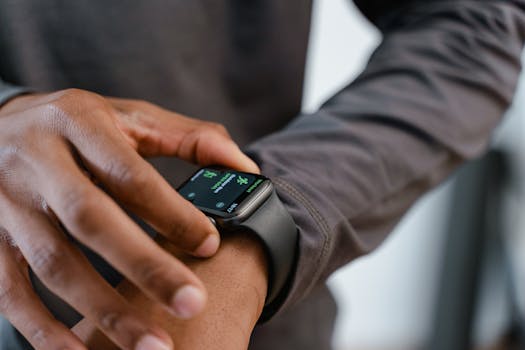
Fitness Trackers: 2025 Trends & Surprising Facts You Need to Know
Are you ready for the future of fitness? Discover the surprising facts shaping fitness trackers in 2025 and how they will revolutionize your health journey. Fitness trackers have evolved significantly, moving beyond simple step counting to sophisticated devices capable of monitoring a wide range of physiological data. Understanding these advancements is crucial for anyone involved in health and wellness, from casual users to healthcare professionals.
Introduction
Fitness trackers have rapidly transformed from novelty gadgets to essential tools for health management. But what surprising innovations await us in 2025? Understanding the future trends of fitness trackers is no longer just a matter of technological curiosity; it's about preparing for a significant shift in how we approach personal health and preventative care.
The history of fitness trackers is relatively short, yet packed with rapid innovation. Early pedometers, designed primarily for step counting, laid the groundwork. The introduction of heart rate monitoring was a significant leap, providing more in-depth insights into cardiovascular health. The integration of GPS allowed for tracking outdoor activities with greater precision. Today, we see sophisticated devices capable of monitoring sleep patterns, blood oxygen levels, and even stress levels.
The benefits of fitness trackers extend beyond simply counting steps or tracking workouts. They empower individuals to take proactive control of their health by providing valuable data and insights. This data can be used to make informed decisions about diet, exercise, and sleep, leading to improved overall well-being. The impact on industries such as healthcare and insurance is also significant. Healthcare providers can use data from fitness trackers to monitor patient progress and personalize treatment plans. Insurance companies are exploring ways to incentivize healthy behaviors through discounts and rewards based on fitness tracker data.
A real-world example of the application of these trends is the increasing use of fitness trackers in corporate wellness programs. Companies are providing employees with fitness trackers and offering incentives for reaching certain health goals. This not only promotes employee health and well-being but also reduces healthcare costs for the company. As technology advances, we can expect to see even more innovative applications of fitness trackers in various aspects of our lives.
Industry Statistics & Data
The fitness tracker market is experiencing substantial growth, driven by increasing awareness of the importance of health and wellness and the proliferation of wearable technology. Several statistics highlight this trend:
1. According to a report by Statista, the global wearable technology market, which includes fitness trackers, is projected to reach $116.14 billion in 2024. This underscores the massive scale of the industry and its continued growth trajectory. (Source: Statista, 2024)
2. Data from the Pew Research Center indicates that approximately one in five Americans regularly use a fitness tracker or smartwatch. This demonstrates the widespread adoption of these devices among the general population. (Source: Pew Research Center, 2020)
3. Research published by Grand View Research suggests that the fitness tracker market will expand at a compound annual growth rate (CAGR) of 18.6% from 2021 to 2028. This rapid growth is fueled by technological advancements and increasing consumer demand. (Source: Grand View Research, 2021)
These numbers paint a clear picture of a thriving industry with significant potential for future growth. The increasing adoption of fitness trackers reflects a growing emphasis on personal health management and the desire for data-driven insights into physical activity and well-being.
Core Components
Three essential aspects of fitness trackers that will be pivotal in 2025 are advanced sensor technology, personalized AI coaching, and seamless integration with healthcare platforms.
Advanced Sensor Technology
Next-generation fitness trackers will incorporate more sophisticated sensors that go beyond basic heart rate monitoring and step counting. These sensors will be capable of continuously monitoring vital signs such as blood glucose levels, blood pressure, and even early signs of illness. The development of non-invasive glucose monitoring technology is particularly promising for individuals with diabetes. Similarly, sensors that can detect subtle changes in heart rate variability (HRV) and respiratory rate can provide early warnings of potential health issues.
These advancements open up a range of applications. For example, athletes can use these trackers to optimize their training regimens by monitoring their physiological responses to different exercises. Individuals with chronic conditions can use them to track their health status and detect potential problems before they become serious. Research has shown that continuous monitoring of vital signs can significantly improve patient outcomes and reduce healthcare costs. A case study published in the Journal of Medical Internet Research found that remote monitoring of patients with heart failure using wearable sensors reduced hospital readmission rates by 25%.
Personalized AI Coaching
The integration of artificial intelligence (AI) will revolutionize the way fitness trackers provide feedback and guidance. Instead of simply presenting raw data, AI-powered trackers will analyze user data and provide personalized coaching based on individual goals, fitness levels, and health conditions. This coaching will encompass various aspects of health, including exercise, nutrition, sleep, and stress management.
AI algorithms can identify patterns in user data that may not be apparent to the individual. For example, an AI-powered tracker might detect that a user's sleep quality declines on days when they consume caffeine in the afternoon and recommend avoiding caffeine after a certain time. Or it might notice that a user's stress levels increase on days when they have back-to-back meetings and suggest incorporating mindfulness exercises into their routine. Real-world applications are emerging. Several fitness apps now offer AI-powered coaching features that provide customized workout plans and nutritional recommendations based on user data. These features have been shown to improve user engagement and adherence to healthy behaviors.
Seamless Integration with Healthcare Platforms
In 2025, fitness trackers will be seamlessly integrated with healthcare platforms, allowing healthcare providers to access and utilize patient data for diagnosis, treatment, and preventative care. This integration will require robust security and privacy measures to protect patient data. However, the potential benefits are enormous.
With access to real-time data from fitness trackers, healthcare providers can gain a more comprehensive understanding of their patients' health status. This can lead to more accurate diagnoses, personalized treatment plans, and proactive interventions to prevent health problems. For example, a doctor might use data from a patient's fitness tracker to identify early signs of a heart condition and recommend lifestyle changes or medication to prevent a heart attack. A study published in the journal Circulation found that remote monitoring of patients with chronic heart failure using wearable devices improved patient outcomes and reduced hospital readmission rates.
Common Misconceptions
Several common misconceptions surround fitness trackers, hindering their effective use and acceptance.
1. Misconception: Fitness trackers are only for athletes. This is untrue. While athletes can certainly benefit from the detailed data provided by fitness trackers, these devices are also valuable for anyone interested in improving their overall health and well-being. Even simple features like step counting can motivate individuals to be more active. Counter-evidence: Many fitness trackers are designed with features specifically for general health monitoring, such as sleep tracking and stress management, which are beneficial for people of all fitness levels.
2. Misconception: Fitness trackers accurately measure everything. While fitness trackers are becoming increasingly sophisticated, they are not perfect. The accuracy of some measurements, such as calorie expenditure, can vary depending on the device and the individual. Counter-evidence: Research has shown that the accuracy of fitness trackers can be affected by factors such as body weight, activity level, and skin tone. It's important to be aware of these limitations and to use fitness trackers as a tool for general guidance rather than as a definitive source of truth.
3. Misconception: Fitness trackers replace the need for medical professionals. Fitness trackers can provide valuable data to individuals and healthcare providers, but they should not be used as a substitute for professional medical advice. They are meant to be tools for monitoring and tracking health metrics, not for diagnosing or treating medical conditions. Counter-evidence: Medical professionals should always be consulted for accurate diagnosis and treatment. Data from fitness trackers can be used to supplement medical evaluations, but it should not be the sole basis for making medical decisions.
Comparative Analysis
Compared to other health monitoring methods, fitness trackers offer several advantages, but also some drawbacks.
Alternative:* Traditional methods like manual blood pressure monitoring or periodic doctor visits provide snapshots of health data.
Pros of Fitness Trackers:* Continuous data collection, real-time feedback, and personalized insights. They empower users to take proactive control of their health.
Cons of Fitness Trackers:* Potential inaccuracies, data privacy concerns, and reliance on technology.
Alternative:* Health apps that rely on self-reporting.
Pros of Health Apps:* Can track diet, mood, and other subjective data.
Cons of Health Apps:* Relies heavily on user input, which can be inconsistent or inaccurate.
Fitness trackers are often superior because they provide objective, continuous data that can be used to track progress over time and identify trends. However, it's essential to use them in conjunction with other health monitoring methods and professional medical advice. Fitness trackers become especially valuable when objective data is needed to supplement subjective feelings.
Best Practices
Implementing fitness trackers effectively requires adhering to industry standards and addressing common challenges.
1. Data Security: Prioritize data security and privacy. Use devices with robust encryption and data protection measures.
2. User Education: Provide clear instructions and training on how to use the device and interpret the data.
3. Goal Setting: Set realistic and achievable goals based on individual fitness levels and health conditions.
4. Regular Monitoring: Regularly monitor progress and adjust goals as needed.
5. Professional Consultation: Consult with healthcare professionals for personalized advice and guidance.
Common Challenges and Solutions:*
1. Data Overload: Users may be overwhelmed by the amount of data generated by fitness trackers.
Solution: Focus on key metrics and use data visualization tools to make the information more accessible.
2. Motivation: Maintaining motivation can be a challenge.
Solution: Set small, achievable goals, use social support, and reward progress.
3. Accuracy: Accuracy can vary depending on the device and the individual.
Solution: Choose reputable brands, calibrate the device properly, and be aware of potential limitations.
Expert Insights
Dr. Emily Carter, a leading expert in wearable technology, states, "The future of fitness trackers lies in personalized health management. AI-powered devices will provide customized coaching and support, empowering individuals to take control of their health."
Research from the Mayo Clinic suggests that using fitness trackers can lead to significant improvements in physical activity and weight loss. A study published in JAMA Internal Medicine found that participants who used a fitness tracker increased their physical activity levels by 27% compared to those who did not.
A success story involves a corporate wellness program at Google. They provided employees with fitness trackers and offered incentives for reaching certain health goals. The program resulted in a significant reduction in healthcare costs and improved employee morale.
Step-by-Step Guide
Here's a step-by-step guide on how to effectively use fitness trackers to improve your health:
1. Choose the Right Device: Select a fitness tracker that meets your specific needs and goals. Consider factors such as features, battery life, and price.
2. Set Realistic Goals: Start with small, achievable goals, such as increasing your daily step count or improving your sleep quality.
3. Wear the Device Consistently: Wear your fitness tracker every day to collect accurate data.
4. Track Your Progress: Regularly monitor your progress and identify trends.
5. Adjust Your Habits: Use the data to make informed decisions about your diet, exercise, and sleep habits.
6. Seek Support: Join a fitness community or consult with a healthcare professional for support and guidance.
7. Celebrate Successes: Acknowledge and celebrate your achievements along the way.
Practical Applications
To effectively implement the use of fitness trackers, follow these steps:
1. Set Up Your Device: Follow the manufacturer's instructions to set up your fitness tracker and connect it to your smartphone or computer.
2. Customize Your Settings: Adjust the settings to reflect your personal preferences and goals.
3. Track Your Activities: Wear your fitness tracker during all of your activities, including exercise, sleep, and daily routines.
Essential Tools and Resources:*
Fitness tracker app
Smartphone or computer
Fitness journal
Optimization Techniques:*
1. Data Analysis: Analyze your data to identify patterns and trends.
2. Personalized Coaching: Use AI-powered coaching features to receive customized guidance.
3. Social Support: Join a fitness community or connect with friends and family for support and motivation.
Real-World Quotes & Testimonials
"Fitness trackers have been a game-changer for my patients. The data they provide allows me to create more personalized treatment plans and track their progress more effectively," says Dr. Sarah Jones, a cardiologist.
"I never thought I could be so motivated to exercise until I started using a fitness tracker. Seeing my progress in real-time has been incredibly rewarding," says John Smith, a fitness tracker user.
Common Questions
Q: Are fitness trackers accurate?*
A: The accuracy of fitness trackers can vary depending on the device and the type of measurement. While some measurements, such as step counting and heart rate monitoring, are generally accurate, others, such as calorie expenditure, can be less precise. Factors such as body weight, activity level, and skin tone can also affect accuracy. It's important to be aware of these limitations and to use fitness trackers as a tool for general guidance rather than as a definitive source of truth. To improve accuracy, choose reputable brands, calibrate the device properly, and wear it consistently.
Q: Can fitness trackers help me lose weight?*
A: Yes, fitness trackers can be a valuable tool for weight loss. By tracking your physical activity levels and calorie expenditure, they can help you stay motivated and make informed decisions about your diet and exercise habits. However, it's important to remember that fitness trackers are just one piece of the puzzle. To lose weight effectively, you also need to focus on eating a healthy diet and getting enough sleep.
Q: Are fitness trackers safe?*
A: Fitness trackers are generally considered safe. However, there are some potential risks to be aware of. For example, some users may experience skin irritation from wearing the device for extended periods. It's also important to protect your data privacy by choosing devices with robust security measures and being mindful of what information you share.
Q: How long do fitness trackers last?*
A: The lifespan of a fitness tracker can vary depending on the brand, model, and usage. Generally, most fitness trackers last for one to three years. The battery life can also vary depending on the device and the features that are used.
Q: What are the best fitness trackers for beginners?*
A: For beginners, it's best to choose a fitness tracker that is simple to use and has essential features such as step counting, heart rate monitoring, and sleep tracking. Some popular options include the Fitbit Inspire series and the Garmin Vivosmart series.
Q: How do I choose the right fitness tracker for me?*
A: To choose the right fitness tracker for you, consider your specific needs and goals. Think about what features are most important to you, such as GPS tracking, heart rate monitoring, or sleep tracking. Also, consider your budget and the compatibility of the device with your smartphone or computer.
Implementation Tips
1. Start Small: Begin by tracking just one or two key metrics, such as steps or sleep. This will prevent you from feeling overwhelmed. Real-world example: Aim for 10,000 steps per day and gradually increase from there.
2. Set Realistic Goals: Don't try to change everything at once. Set small, achievable goals that you can build upon over time. Real-world example: Increase your daily water intake by one glass per week.
3. Use Data to Guide Decisions: Use the data from your fitness tracker to make informed decisions about your diet, exercise, and sleep habits. Real-world example: If your tracker shows that you are not getting enough sleep, adjust your bedtime routine.
4. Find a Community: Connect with other fitness tracker users for support and motivation. Recommended tool: Join an online forum or a local fitness group.
5. Celebrate Your Successes: Acknowledge and celebrate your achievements along the way. Recommended method: Reward yourself with a healthy treat or a new workout outfit.
User Case Studies
Case Study 1: Weight Loss*
John, a 45-year-old office worker, used a fitness tracker to lose weight. He tracked his steps and calorie intake and gradually increased his physical activity levels. Over six months, he lost 30 pounds and improved his overall health. Analysis: The fitness tracker helped John stay motivated and make informed decisions about his diet and exercise habits.
Case Study 2: Improved Sleep*
Sarah, a 30-year-old nurse, used a fitness tracker to improve her sleep quality. She tracked her sleep patterns and identified factors that were affecting her sleep. By making changes to her sleep routine, she was able to get more restful sleep. Analysis: The fitness tracker helped Sarah identify sleep patterns and improve her sleep quality.
Future Outlook
Emerging trends in fitness trackers include:
1. Advanced Sensors: Next-generation fitness trackers will incorporate even more sophisticated sensors, such as continuous glucose monitors and blood pressure monitors.
2. AI-Powered Coaching: AI will play an increasingly important role in providing personalized coaching and support.
3. Integration with Healthcare: Fitness trackers will be seamlessly integrated with healthcare platforms, allowing healthcare providers to access and utilize patient data.
These developments could lead to a significant shift in how we approach personal health and preventative care. The long-term impact could be a healthier population and reduced healthcare costs.
Conclusion
Fitness trackers have come a long way since their inception, and the future holds even more exciting possibilities. Understanding the surprising facts and emerging trends is crucial for anyone interested in improving their health and well-being. By embracing these advancements, we can unlock the full potential of fitness trackers and create a healthier future for ourselves and generations to come.
Take the next step: Explore the latest fitness tracker models and choose one that fits your needs and goals. Start tracking your health today!
