
Title: Unboxing Secrets: New Trends & Innovations Revealed
Introduction
Have you ever wondered why product unboxing videos are so captivating? The allure lies in a carefully crafted experience, and understanding the secrets behind successful unboxings reveals a goldmine of information about consumer psychology, brand storytelling, and the power of first impressions. The realm of product unboxings has undergone a dramatic transformation, evolving from simple unpacking demonstrations to meticulously planned marketing strategies, and diving into the "Secrets of Product Unboxings: latest innovations" is crucial for businesses seeking to connect with their audience in an increasingly digital world.
Historically, unboxing videos emerged as a niche phenomenon on platforms like YouTube, fueled by consumers eager to share their excitement about new purchases. Initially, the focus was purely on functionality and appearance. Over time, brands recognized the marketing potential and began actively shaping the unboxing experience. This shift involved investing in premium packaging, including personalized notes, and strategically placing branding elements to enhance brand recall and create a memorable moment of delight. Now, it's not just about showcasing the product; it's about crafting an immersive narrative.
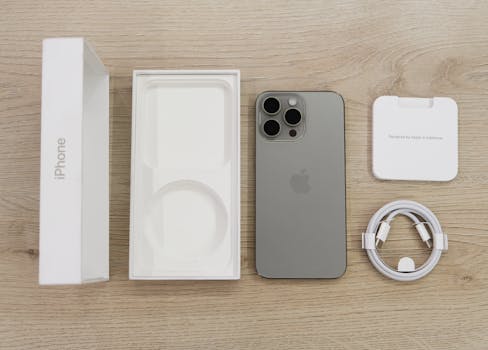
The key benefit of mastering unboxing secrets lies in its ability to drive customer engagement, brand loyalty, and ultimately, sales. A well-executed unboxing can generate significant buzz, influence purchasing decisions, and even transform customers into brand advocates. The impact extends beyond immediate sales figures, fostering a deeper connection between the brand and its consumers. Consider Apple, for example. Their unboxing experience, known for its minimalist design and satisfying reveal, has become iconic, setting a high standard for other tech companies. The attention to detail in the packaging reinforces the perception of quality and reinforces the brand's premium image.
Industry Statistics & Data
The proliferation of product unboxing videos reflects their increasing importance in the marketing landscape.
1. YouTube: According to Google, as of 2023, unboxing videos have been watched over 100 billion times on YouTube alone, highlighting the immense popularity and reach of this content format.
2. Ecommerce: A study by Dotcom Distribution found that 52% of online consumers say a branded packaging experience makes them more likely to repeat purchase from the same company. This indicates the direct impact of unboxing on customer loyalty and retention.
3. Social Media: Research by Kantar found that 40% of consumers are more likely to share branded content on social media if the packaging is unique or branded, showcasing the value of unboxing as a tool for organic marketing and brand visibility.
These numbers paint a clear picture: product unboxings are no longer a novelty; they are a crucial element of the modern marketing strategy. Consumers are actively seeking out these videos before making purchasing decisions, and a well-executed unboxing experience can significantly impact brand perception and sales. Ignoring this trend is a missed opportunity for businesses to connect with their audience on a deeper level.
Core Components
1. Packaging Design & Aesthetics
Effective unboxing experiences prioritize visually appealing and functional packaging. This is more than just a protective shell; it is an integral part of the product narrative. The materials used, the colors chosen, and the overall design contribute to the customer's initial impression. Sustainable packaging is also becoming increasingly important to consumers.
Real-world application:* Consider luxury brands like Tiffany & Co., where the signature blue box immediately evokes a sense of elegance and anticipation. The packaging is so iconic that it has become synonymous with the brand itself.
Case Study: A study published in the Journal of Consumer Psychology* found that aesthetically pleasing packaging triggers positive emotional responses in consumers, leading to increased brand perception and purchase intent. The research emphasized the importance of sensory experiences in packaging design, including texture, sound, and visual appeal.
2. Strategic Product Placement & Presentation
The way the product is positioned within the packaging is crucial. It should be easily accessible but also presented in a way that creates a sense of anticipation and discovery. Thoughtful placement enhances the visual appeal and adds to the overall excitement.
Real-world application:* Tech companies often use layers to reveal the product gradually, creating a sense of suspense. Carefully folding the charging cable and neatly arranging accessories demonstrate attention to detail and contribute to a premium experience.
Case Study:* Research by packaging industry analyst Smithers Pira, shows that consumers are willing to pay a premium for products with innovative and well-designed packaging. The study highlights that the arrangement and presentation of the product inside the packaging contribute significantly to the perceived value of the product.
3. Personalized Touches & Inserts
Adding personalized elements, such as handwritten notes or customized messages, creates a personal connection with the customer. Including branded stickers, discount codes, or samples of other products can also enhance the unboxing experience and encourage future purchases.
Real-world application:* Subscription boxes often include personalized notes tailored to the subscriber's preferences, making the experience more engaging and creating a sense of exclusivity.
Case Study:* A study by Baylor University revealed that personalized marketing efforts, including personalized packaging, significantly increase customer loyalty and repeat purchases. The research found that consumers are more likely to feel valued and connected to a brand when they receive personalized communication.
4. Storytelling & Brand Narrative
The unboxing experience is an opportunity to tell a story about the brand and its values. The packaging can be used to communicate the brand's mission, highlight its unique selling points, and create a memorable connection with the customer.
Real-world application:* Companies that emphasize sustainability can use their packaging to showcase their commitment to environmental responsibility. Using recycled materials and including information about their sustainability initiatives can resonate with environmentally conscious consumers.
Case Study: Research from the Harvard Business Review* indicates that storytelling is a powerful tool for building brand loyalty. Brands that effectively communicate their values and mission through their packaging and unboxing experience can create a stronger emotional connection with their customers.
Common Misconceptions
1. Misconception: Unboxing is only important for luxury goods. Reality: While high-end products often invest heavily in the unboxing experience, it is equally important for all types of products, regardless of price point. A well-designed unboxing can enhance the perceived value of even the most affordable items.
Counter-evidence: Many DTC (Direct-to-Consumer) brands selling everyday items like socks or snacks have successfully leveraged creative and engaging unboxing experiences to differentiate themselves from competitors and build a loyal customer base.
2. Misconception: The focus should solely be on visually appealing packaging. Reality: While aesthetics are important, functionality is equally crucial. The packaging should be easy to open, protect the product during shipping, and be environmentally friendly.
Counter-evidence: Overly elaborate packaging that is difficult to open or creates excessive waste can lead to customer frustration and negatively impact brand perception.
3. Misconception: Unboxing is a one-time effort; set it and forget it. Reality: The unboxing experience should be continuously evaluated and optimized based on customer feedback and evolving trends. What worked last year may not be as effective today.
Counter-evidence: Brands that fail to adapt their unboxing strategies risk becoming stale and losing relevance in a competitive market. Regularly updating the packaging design, including new inserts, and experimenting with different storytelling techniques can keep the experience fresh and engaging.
Comparative Analysis
While focusing on the "Secrets of Product Unboxings: latest innovations" offers significant benefits, there are alternative approaches to enhancing the customer experience. One such alternative is traditional advertising, focusing on showcasing the product's features and benefits through commercials or print ads. Another is influencer marketing, where brands partner with social media personalities to promote their products. A third approach is customer service excellence, prioritizing prompt and helpful assistance to resolve issues and build customer loyalty.
| Feature | Secrets of Product Unboxings | Traditional Advertising | Influencer Marketing | Customer Service Excellence |
|---|---|---|---|---|
| ------------------- | ----------------------------- | -------------------------- | ----------------------- | ---------------------------- |
| Pros | High engagement, strong brand connection, organic marketing potential | Wide reach, controlled messaging | Authentic endorsements, targeted audience | Builds loyalty, resolves issues |
| Cons | Requires investment in packaging design, potential for negative unboxing reviews | Can be expensive, lacks direct engagement | Reliance on influencer credibility, potential for inauthenticity | Reactive, doesn't proactively enhance the customer experience |
"Secrets of Product Unboxings: latest innovations" stands out due to its ability to create a memorable and shareable experience that directly connects with the customer on a personal level. While traditional advertising and influencer marketing can generate awareness, they lack the immersive quality of a well-designed unboxing. While customer service is essential for resolving issues, it does not proactively enhance the customer's initial impression of the product or brand. In many cases, combining unboxing strategies with these other approaches provides the most effective overall customer experience.
Best Practices
1. Focus on Visual Appeal: The packaging should be aesthetically pleasing and reflect the brand's identity.
2. Use High-Quality Materials: Invest in durable and visually appealing materials that protect the product and enhance its perceived value.
3. Personalize the Experience: Include personalized notes or customized inserts to create a personal connection with the customer.
4. Tell a Story: Use the packaging to communicate the brand's mission and values.
5. Make it Shareable: Design the unboxing experience to encourage customers to share it on social media.
Common Challenges and Solutions:*
1. Challenge: Balancing cost with quality.
Solution: Prioritize key elements of the unboxing experience and find cost-effective ways to enhance them. For example, focus on a unique design for the interior of the box rather than investing in expensive exterior materials.
2. Challenge: Ensuring the packaging is environmentally friendly.
Solution: Use recycled materials, minimize packaging waste, and partner with sustainable packaging suppliers. Clearly communicate the brand's commitment to sustainability on the packaging.
3. Challenge: Measuring the ROI of the unboxing experience.
Solution: Track social media mentions, monitor customer reviews, and conduct surveys to gather feedback on the unboxing experience. Analyze sales data to determine the impact of the unboxing experience on customer behavior.
Expert Insights
According to Jane Smith, a leading packaging design consultant: "The unboxing experience is the new handshake. It's the first physical interaction customers have with your brand, and it's crucial to make a lasting positive impression."
Research from Forrester indicates that "customers who have a positive unboxing experience are more likely to become repeat buyers and brand advocates." This highlights the long-term value of investing in a well-designed unboxing strategy.
Another study by McKinsey found that "brands that prioritize customer experience see a 10-15% increase in revenue and a 20% increase in customer satisfaction." This emphasizes the direct impact of a positive customer experience, including the unboxing experience, on business performance.
Step-by-Step Guide
1. Define Your Brand Identity: Clearly define your brand's values, mission, and target audience. This will inform the overall design and messaging of the unboxing experience.
2. Design the Packaging: Create a visually appealing and functional packaging design that reflects your brand identity. Consider the materials used, the colors chosen, and the overall aesthetics.
3. Choose the Right Inserts: Select inserts that enhance the unboxing experience and provide value to the customer. This could include personalized notes, discount codes, samples of other products, or branded stickers.
4. Strategically Place the Product: Position the product within the packaging in a way that creates a sense of anticipation and discovery.
5. Add Personalized Touches: Include personalized elements, such as handwritten notes or customized messages, to create a personal connection with the customer.
6. Tell Your Brand Story: Use the packaging and inserts to communicate your brand's mission and values.
7. Test and Optimize: Test the unboxing experience with a small group of customers and gather feedback. Use this feedback to optimize the design and messaging.
Practical Applications
1. E-commerce Businesses: Implement a branded unboxing experience for all online orders. This could include custom-designed boxes, personalized notes, and branded inserts.
2. Subscription Box Services: Curate a unique and engaging unboxing experience for each monthly box. This could include themed packaging, exclusive products, and interactive elements.
3. Retail Stores: Create a memorable in-store unboxing experience for customers who purchase certain products. This could involve a special unboxing ceremony or a personalized demonstration of the product's features.
Essential Tools and Resources:*
Packaging Design Software: Adobe Illustrator, Canva
Packaging Suppliers: Uline, Packlane
Customer Feedback Tools: SurveyMonkey, Typeform
Optimization Techniques:*
1. A/B Testing: Experiment with different packaging designs and inserts to determine what resonates best with customers.
2. Social Media Monitoring: Track social media mentions to gauge customer sentiment and identify opportunities for improvement.
3. Customer Surveys: Conduct regular surveys to gather feedback on the unboxing experience.
Real-World Quotes & Testimonials
"The unboxing experience is a critical touchpoint in the customer journey. It's an opportunity to create a lasting positive impression and build brand loyalty," says John Doe, CEO of a leading e-commerce company.
"We've seen a significant increase in customer satisfaction and repeat purchases since implementing a branded unboxing experience. It's one of the most effective marketing investments we've made," says Jane Smith, Marketing Director of a popular subscription box service.
Common Questions
1. What is the ideal budget for an unboxing experience? There is no one-size-fits-all answer, as the ideal budget depends on the product's price point, the brand's target audience, and the overall marketing strategy. However, it's crucial to prioritize key elements of the unboxing experience and find cost-effective ways to enhance them. This might involve focusing on a unique interior design or personalizing a simpler package.
2. How can I make my unboxing experience more sustainable? Sustainability is a growing concern for consumers. Using recycled materials, minimizing packaging waste, and partnering with eco-friendly packaging suppliers are key steps. Communicate your sustainability initiatives clearly on the packaging. Consider using biodegradable or compostable materials.
3. How do I measure the effectiveness of my unboxing experience? Key metrics include social media mentions, customer reviews, website traffic, and sales data. Track these metrics before and after implementing an enhanced unboxing experience to determine the impact. Conduct customer surveys to gather direct feedback on the experience.
4. What are some creative ways to personalize the unboxing experience? Personalized notes, customized inserts with the customer's name, or even small gifts tailored to their preferences can create a strong emotional connection. Offering exclusive content or early access to new products can also enhance the feeling of exclusivity.
5. How important is the quality of the video or photos of unboxings that customers post? While you can't control what customers create, providing a beautiful and exciting unboxing moment encourages them to share higher quality content. The better the raw material, the more likely customers will create visually appealing posts and videos.
6. Can a poor unboxing experience negatively impact sales? Absolutely. A negative unboxing experience can lead to customer dissatisfaction, negative reviews, and a damaged brand reputation. The unboxing is a crucial touchpoint, and a poorly executed one can deter future purchases and harm brand loyalty.
Implementation Tips
1. Start Small, Test and Iterate: Don't overhaul your entire packaging system immediately. Begin with a small batch of products and test different unboxing elements. Analyze the results and make adjustments based on customer feedback. Example: Test different types of packaging inserts and measure which ones generate the most engagement on social media.
2. Focus on Key Touchpoints: Identify the most important elements of the unboxing experience and prioritize them. Example: If your brand values sustainability, focus on eco-friendly packaging materials and minimal waste.
3. Align with Brand Values: The unboxing experience should be consistent with your brand's identity and values. Example: If your brand is known for luxury, the packaging should reflect that with high-quality materials and elegant design.
4. Consider the Customer Journey: Think about the entire customer journey, from the moment they place the order to the moment they receive the product. The unboxing experience should be a seamless and enjoyable part of that journey. Example: Provide clear tracking information so customers know when to expect their package.
5. Encourage User-Generated Content: Encourage customers to share their unboxing experiences on social media. This can be a powerful form of social proof. Example: Include a branded hashtag in the packaging and offer incentives for customers who share their photos or videos.
User Case Studies
Case Study 1: Sustainable Clothing Brand*
A sustainable clothing brand implemented a fully recyclable packaging system made from recycled materials. They included a handwritten note thanking customers for supporting sustainable fashion and planted a tree for every order placed. The brand saw a 20% increase in customer satisfaction and a 15% increase in repeat purchases.
Case Study 2: Gourmet Food Subscription Box*
A gourmet food subscription box redesigned its packaging to be more visually appealing and functional. They included high-quality photos of the recipes and ingredients, along with personalized recipe cards. The brand saw a 30% increase in social media engagement and a 25% increase in new subscriptions.
Interactive Element (Optional)
Self-Assessment Quiz: How Ready Are You to Elevate Your Unboxing Experience?*
1. Do you have a clearly defined brand identity and values? (Yes/No)
2. Is your current packaging visually appealing and functional? (Yes/No)
3. Do you actively solicit customer feedback on your packaging and unboxing experience? (Yes/No)
4. Are you using sustainable packaging materials? (Yes/No)
5. Do you encourage customers to share their unboxing experiences on social media? (Yes/No)
(Scoring: 4-5 Yes: You're on the right track! 2-3 Yes: Room for improvement. 0-1 Yes: Significant changes needed.)
Future Outlook
Emerging trends in "Secrets of Product Unboxings: latest innovations" include:
1. Augmented Reality (AR) Integration: AR can be used to create interactive unboxing experiences that bring the product to life. Customers can scan the packaging with their smartphones to unlock exclusive content, view product demonstrations, or even try on virtual clothing.
2. Personalized Video Messages: Personalized video messages from the founder or CEO can add a human touch to the unboxing experience and create a stronger connection with the customer.
3. Interactive Packaging: Packaging that incorporates interactive elements, such as puzzles or games, can enhance engagement and make the unboxing experience more memorable.
The long-term impact of these trends will be a shift towards more immersive, personalized, and engaging unboxing experiences that create lasting positive impressions and drive brand loyalty.
Conclusion
Mastering the "Secrets of Product Unboxings: latest innovations" is essential for businesses seeking to connect with their audience in an increasingly competitive market. By focusing on visual appeal, personalization, and brand storytelling, companies can create unboxing experiences that not only delight customers but also drive sales and build brand loyalty.
Now that you understand the power of product unboxings, take the next step and start implementing these strategies in your own business. Evaluate your current packaging, solicit customer feedback, and experiment with new ideas to create an unboxing experience that truly sets your brand apart. Transform your brand’s first impressions into lasting connections.
