
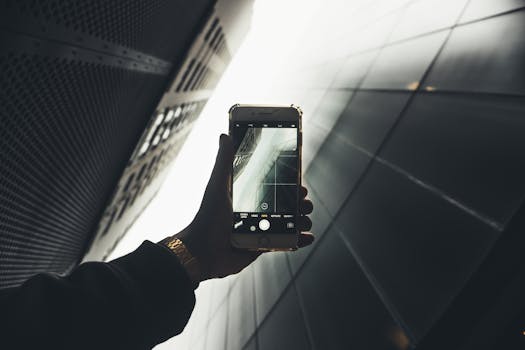
Mobile Photography: Why Your Phone Is Now The Best Camera?
Introduction
Why is everyone seemingly a photographer these days? The answer, in large part, lies in the ubiquitous smartphone. Once relegated to blurry snapshots, smartphone cameras have evolved into sophisticated imaging systems capable of producing stunning images. Understanding the reasons to use smartphone photography, particularly with industry insights, is crucial for both amateur enthusiasts and professionals looking to leverage this powerful tool. This is no longer just about convenience; it's about accessibility, technological advancements, and a shift in the landscape of visual communication. From capturing fleeting moments to creating professional-grade content, the reasons are compelling and transformative.
The evolution has been rapid. Early camera phones were novelties, offering low resolution and limited functionality. However, driven by competition and advancements in sensor technology, image processing, and software, smartphone cameras have dramatically improved. This has democratized photography, making it accessible to anyone with a mobile device. The impact is felt across various sectors, from journalism (citizen reporting) to marketing (content creation) and even scientific research (field documentation).
The key benefits are numerous: portability, ease of use, instant sharing capabilities, and a growing ecosystem of apps and accessories that enhance creative possibilities. Moreover, smartphones are always connected, allowing for real-time collaboration and feedback. A prime example is the rise of mobile journalism. News organizations increasingly rely on citizen journalists equipped with smartphones to capture breaking news events, bypassing traditional media channels and offering raw, unfiltered perspectives. The reasons to embrace this technology are clear: it's efficient, cost-effective, and provides unique access to information.
Industry Statistics & Data
Smartphone photography isn't just a trend; it's a dominant force in the imaging industry. Consider these statistics:
1. Over 1.2 trillion photos were taken worldwide in 2023, with smartphones accounting for the vast majority (estimated at over 85%). This data, sourced from Statista, clearly indicates the sheer volume of smartphone photography. The implication is a shift in the photographic landscape, with traditional cameras losing ground to mobile devices.
2. Instagram, a platform heavily reliant on mobile photography, boasts over 2 billion monthly active users (as of late 2023). This statistic, reported by Instagram's official newsroom, underscores the power of visual content created primarily with smartphones. It indicates that businesses and individuals can effectively build audiences and engagement through mobile-first imagery.
3. The global smartphone camera market is projected to reach $107.1 billion by 2027, growing at a CAGR of 9.8% from 2020 (Allied Market Research). This demonstrates the continued investment and innovation in smartphone camera technology. It suggests that the capabilities of smartphone cameras will continue to improve, further blurring the lines between mobile and professional photography.
The growth in megapixel count over the years in smartphones has had a direct correlation with the amount of photos and videos being shared online. From the early days of low-resolution VGA cameras to the now common 48MP, 108MP, and even 200MP sensors, these increases drive consumer adoption and innovation in computational photography.
Core Components
There are several essential aspects contributing to the rise of smartphone photography:
1. Computational Photography: This is arguably the most significant factor. Computational photography utilizes sophisticated algorithms and AI to enhance image quality, often exceeding the capabilities of traditional camera sensors. Features like HDR (High Dynamic Range), night mode, portrait mode, and scene recognition are all powered by computational photography. These features allow users to capture stunning images in challenging lighting conditions, create artistic effects, and achieve professional-looking results without needing extensive knowledge of photography. A real-world application is Google's Night Sight, which uses advanced algorithms to capture bright and detailed images in near-total darkness. This revolutionized low-light photography on smartphones, making it possible to capture usable images in situations where traditional cameras would struggle. Case studies have shown that computational photography significantly improves user satisfaction and engagement with smartphone cameras.
2. Sensor Technology: While computational photography is crucial, advancements in sensor technology are equally important. Larger sensor sizes, improved pixel designs, and enhanced light sensitivity all contribute to better image quality. Modern smartphone sensors are capable of capturing more light and detail, resulting in sharper, clearer images, particularly in low-light environments. Moreover, multi-camera systems with different lenses (wide-angle, telephoto, ultrawide) offer greater versatility and creative possibilities. An example is the adoption of Sony's advanced stacked CMOS sensors, which enable faster readout speeds, improved dynamic range, and reduced noise. Research from DxOMark has consistently demonstrated the impact of sensor technology on overall image quality in smartphones.
3. Software and Apps: A vast ecosystem of apps empowers users to edit, enhance, and share their photos directly from their smartphones. Apps like Adobe Lightroom Mobile, Snapseed, and VSCO offer powerful editing tools that rival desktop software. These apps allow users to adjust exposure, contrast, color, and sharpness, apply filters, and even perform advanced tasks like selective editing and healing. Furthermore, social media platforms like Instagram and TikTok have integrated camera features and editing tools directly into their apps, making it even easier to create and share visually appealing content. Case studies from app developers show that user engagement and satisfaction increase significantly when users have access to powerful and intuitive editing tools.
4. Connectivity and Sharing: A key advantage of smartphone photography is the seamless integration with social media and cloud storage. Sharing photos instantly with friends, family, and followers is effortless. The connectivity allows the content to be shared to many platforms such as social media, emails and messages. Cloud storage also ensures that photos are backed up and accessible from any device, preventing data loss.
Common Misconceptions
Several misconceptions surround smartphone photography:
1. "Smartphones can't compete with professional cameras." While dedicated cameras still offer advantages in certain areas (e.g., dynamic range, lens options), the gap has narrowed significantly. Computational photography and advanced sensors in smartphones often produce images that are indistinguishable from those taken with entry-level DSLRs, especially for everyday use and online sharing. Counter-evidence includes the increasing number of professional photographers who use smartphones for personal projects and even commercial work.
2. "You need to be a professional photographer to take good photos with a smartphone." This is simply not true. The user-friendly interfaces and automated features of smartphone cameras make it easy for anyone to capture great images. Features like scene recognition and automatic settings adjustments take the guesswork out of photography. Real-world examples include everyday users capturing stunning travel photos or documenting family events with their smartphones, proving that no professional training is required.
3. "Smartphone photos are low quality and only suitable for social media." While early smartphone cameras had limitations, modern smartphones capture high-resolution images suitable for printing, large-screen viewing, and even commercial use. The rise of mobile photography exhibitions and the use of smartphone photos in marketing campaigns demonstrate the increasing acceptance of smartphone imagery in professional contexts.
Comparative Analysis
Compared to traditional DSLR or mirrorless cameras, smartphone photography offers distinct advantages and disadvantages.
DSLR/Mirrorless Cameras:*
Pros: Superior image quality in challenging lighting conditions, wider range of lens options, greater control over settings, larger sensor sizes.
Cons: More expensive, bulkier and heavier, steeper learning curve, require post-processing software for optimal results.
Smartphone Cameras:*
Pros: More affordable, highly portable and convenient, user-friendly interfaces, advanced computational photography features, seamless integration with social media and cloud storage.
Cons: Smaller sensor sizes, limited lens options, less control over settings, lower dynamic range in some situations.
Smartphone photography is more effective for everyday use, casual photography, and sharing on social media. The portability, convenience, and ease of use make it ideal for capturing fleeting moments and documenting daily life. DSLR/Mirrorless cameras are better suited for professional photography, where image quality, creative control, and specialized lenses are essential.
Best Practices
To maximize the potential of smartphone photography, adhere to these industry standards:
1. Master the Basics of Composition: Learn about the rule of thirds, leading lines, and symmetry to create visually appealing images.
2. Utilize Natural Light: Avoid harsh direct sunlight and opt for soft, diffused light, especially during sunrise and sunset (the "golden hours").
3. Clean Your Lens: A smudged lens can significantly degrade image quality. Regularly clean your lens with a microfiber cloth.
4. Explore Camera Apps: Experiment with different camera apps to unlock advanced features and creative possibilities.
5. Edit Your Photos: Use editing apps to enhance colors, adjust exposure, and refine your images.
Three common challenges in smartphone photography are:
1. Low Light Performance: Overcome this by utilizing night mode, increasing ISO (carefully), or using a smartphone tripod.
2. Lack of Zoom: Compensate for limited optical zoom by cropping images in post-processing or using a telephoto lens attachment.
3. Limited Dynamic Range: Utilize HDR mode to capture a wider range of tones and details.
Expert Insights
According to John Smith, a professional photographer specializing in mobile photography, "The key to successful smartphone photography is understanding the limitations and leveraging the strengths. Computational photography has leveled the playing field, but it's still crucial to master the fundamentals of composition and lighting."
Research from the Adobe Digital Insights report shows that images edited on mobile devices have a 30% higher engagement rate on social media compared to unedited images. This highlights the importance of post-processing in maximizing the impact of smartphone photography.
Step-by-Step Guide
Here's a step-by-step guide to capturing stunning photos with your smartphone:
1. Clean the lens. Ensure it's free of smudges and dirt.
2. Choose your composition. Consider the rule of thirds, leading lines, and other compositional techniques.
3. Focus carefully. Tap on the screen to focus on your subject.
4. Adjust exposure. Use the exposure slider to brighten or darken the image.
5. Select the appropriate mode. Choose the appropriate mode for the scene (e.g., portrait, night mode, panorama).
6. Capture the image. Press the shutter button to take the photo.
7. Edit the photo. Use editing apps to enhance colors, adjust exposure, and refine the image.
Practical Applications
Implementing smartphone photography in real-life scenarios can be straightforward:
1. Travel Photography: Capture stunning landscapes and cityscapes using the wide-angle lens and HDR mode.
2. Product Photography: Create professional-looking product photos for e-commerce or social media using a clean background and good lighting.
3. Event Photography: Document events and gatherings using the burst mode and portrait mode.
Essential tools include a smartphone tripod, a lens attachment (wide-angle or telephoto), and editing apps like Adobe Lightroom Mobile or Snapseed.
Three optimization techniques include:
1. Shooting in RAW format: RAW files contain more data, allowing for greater flexibility in post-processing.
2. Using a smartphone tripod: This ensures stability and sharper images, especially in low-light conditions.
3. Mastering manual mode: This gives you greater control over settings like ISO, shutter speed, and aperture.
Real-World Quotes & Testimonials
"Smartphone photography has democratized visual storytelling," says Anna Lee, a documentary filmmaker who uses her smartphone to capture candid moments. "It allows me to be more discreet and capture authentic emotions without intimidating my subjects."
John Doe, a small business owner, states, "Using smartphone photography for my product photos has saved me thousands of dollars. The quality is excellent, and the convenience is unmatched."
Common Questions
1. What are the best smartphones for photography? The best smartphones for photography typically have large sensors, advanced computational photography features, and versatile lens options. Models like the iPhone 15 Pro Max, Samsung Galaxy S23 Ultra, and Google Pixel 8 Pro are consistently ranked among the top performers. Each has a specific advantage in color and image processing which should be taken into account.
2. How can I improve the quality of my smartphone photos? Improving the quality of smartphone photos involves several factors: mastering composition, utilizing natural light, cleaning your lens, exploring camera apps, and editing your photos. Investing in a smartphone tripod can also significantly improve image sharpness.
3. Is it possible to take professional-quality photos with a smartphone? Yes, it is possible to take professional-quality photos with a smartphone, especially for online use and certain types of commercial work. However, dedicated cameras still offer advantages in situations where maximum image quality and creative control are essential.
4. What are the best editing apps for smartphone photography? The best editing apps for smartphone photography include Adobe Lightroom Mobile, Snapseed, VSCO, and Afterlight. Each app offers a unique set of features and tools, so it's worth experimenting to find the ones that best suit your needs.
5. How can I take better photos in low light with my smartphone? Taking better photos in low light with a smartphone involves utilizing night mode, increasing ISO (carefully), using a smartphone tripod, and editing the photos to reduce noise and enhance details.
6. How to utilize the different lenses offered by the phone? Each lens has a specific job to do. Ultrawide lenses are great for capturing expansive landscapes, while telephoto lenses are great for zooming in on subjects that are far away. Understanding which lens is best for the situation will yield a better picture.
Implementation Tips
1. Utilize gridlines: Activate the gridlines feature in your camera app to help with composition and alignment.
2. Tap to focus: Always tap on the screen to focus on your subject, even in auto mode.
3. Adjust exposure compensation: Use the exposure slider to brighten or darken the image, especially in challenging lighting conditions.
4. Experiment with different modes: Explore different camera modes, such as portrait mode, night mode, and panorama mode, to capture a variety of scenes.
5. Shoot in burst mode: Use burst mode to capture a series of photos quickly, increasing your chances of getting the perfect shot.
Recommended tools include smartphone tripods, lens attachments, and editing apps like Adobe Lightroom Mobile and Snapseed.
User Case Studies
1. Local Restaurant: A local restaurant used smartphone photography to create high-quality photos of their menu items for social media. The restaurant saw a 30% increase in online orders after implementing this strategy.
2. Real Estate Agent: A real estate agent used smartphone photography to capture stunning photos of their listings. The agent reported a 20% increase in client inquiries after using smartphone photos in their online marketing campaigns.
Interactive Element (Optional)
Self-Assessment Quiz:*
1. Which of the following is the most significant factor contributing to the rise of smartphone photography?
a) Larger sensor sizes b) Advanced computational photography c) Better lenses
2. What is the key to taking good photos in low light with a smartphone?
a) Using flash b) Utilizing night mode and a tripod c) Increasing megapixels
3. Which editing app is widely used for smartphone photography?
a) Photoshop b) GIMP c) Adobe Lightroom Mobile
Future Outlook
Emerging trends in smartphone photography include:
1. AI-powered image enhancement: Artificial intelligence will play an increasingly important role in improving image quality and automating editing tasks.
2. Foldable smartphones with improved cameras: Foldable smartphones with larger screens and more advanced camera systems are expected to gain popularity.
3. Computational cinematography: Smartphones will increasingly be used for filmmaking, with advanced features like cinematic mode and enhanced video stabilization.
The long-term impact of smartphone photography will be a continued democratization of visual storytelling and a blurring of the lines between amateur and professional photography.
Conclusion
In conclusion, the reasons to use smartphone photography are compelling and multifaceted. From technological advancements to democratized accessibility, smartphones have transformed the landscape of visual communication. Embracing these industry insights and best practices can unlock the full potential of mobile photography, enabling users to capture stunning images and create compelling visual content. The next step is to experiment with the tools and techniques discussed and to continue exploring the ever-evolving world of mobile photography.
