
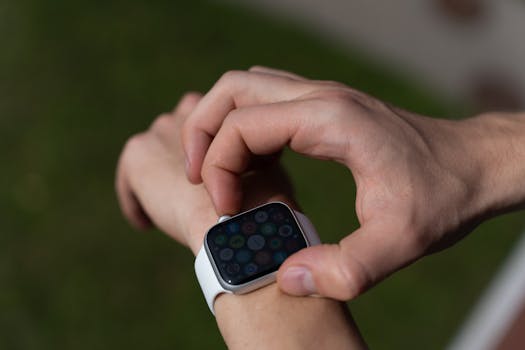
Smartwatch Apps: Avoid These Mistakes | Must-Have Apps Guide
Introduction
Are you maximizing your smartwatch potential or fumbling through a sea of useless apps? The smartwatch market, once a novelty, is now a significant player in personal technology. Understanding how to navigate the app landscape and avoid common pitfalls is crucial for getting the most out of your wearable device. Early smartwatches suffered from limited functionality and a lack of compelling applications, but the evolution of mobile operating systems and app development has transformed these devices into powerful extensions of our smartphones. Today, smartwatches offer a wide range of features, from fitness tracking and communication to productivity and entertainment. Recognizing and avoiding common mistakes, such as neglecting essential security settings or downloading poorly reviewed apps, can significantly enhance the smartwatch experience. Consider, for example, how a user might overlook a crucial privacy setting on their fitness app, inadvertently sharing sensitive health data. Avoiding such mistakes ensures a safer and more productive smartwatch journey. Smartwatches provide significant quality of life improvements for many users through features such as fall detection, medication reminders, and constant health monitoring, which is why selecting the best and most efficient application options is so important.
Industry Statistics & Data
The global smartwatch market is booming, driven by increasing consumer demand for wearable technology and advancements in sensor technology. Several key statistics highlight this growth.
1. A report by Statista projects the smartwatch market to reach $70.63 billion in 2024. This signifies the increasing popularity and adoption of smartwatches worldwide.
2. According to Counterpoint Research, Apple continues to dominate the smartwatch market, holding approximately 30% of the global market share. This indicates the brand's strong influence and consumer loyalty.
3. Data from IDC reveals that health and fitness tracking are the primary drivers of smartwatch adoption, with over 60% of users utilizing their smartwatches for these purposes. This underscores the importance of health-related apps in the smartwatch ecosystem.
These numbers collectively paint a picture of a thriving industry with substantial growth potential. The increasing market size, coupled with the dominance of key players like Apple and the focus on health-related features, highlights the key trends shaping the smartwatch landscape. This growth also underscores the importance of carefully selecting and utilizing smartwatch applications to maximize the device's potential.
Core Components
Navigating the smartwatch world requires understanding several core components to avoid mistakes and maximize utility, particularly concerning essential applications.
App Selection and Compatibility
Choosing the right apps is paramount. Not all apps are created equal, and compatibility issues can plague even the most popular choices. Consider, for example, an older smartwatch model struggling to run the latest version of a resource-intensive fitness app. Before downloading, carefully check the app's compatibility requirements and read user reviews to gauge its performance on similar devices. Prioritize apps designed specifically for smartwatch use; smartphone apps adapted for smaller screens often suffer from usability issues. App selection directly impacts the usefulness of the device. Many users end up purchasing many apps they don't use, costing them money and taking up valuable device storage space. Prioritizing quality and function will improve the performance of the smartwatch.
Security and Privacy Settings
Smartwatches often handle sensitive personal data, making security and privacy settings critical. Neglecting these settings can expose your information to unauthorized access. Ensure you enable two-factor authentication where available, regularly update your smartwatch software to patch security vulnerabilities, and carefully review the permissions requested by each app before installation. Be wary of apps that request access to data unrelated to their core functionality. The potential repercussions of neglecting security are not limited to personal data breaches, but can create opportunities for malicious software to enter the system and cause irreparable damage.
Notification Management
Smartwatches excel at delivering notifications, but an unmanaged stream of alerts can quickly become overwhelming. Configure your notification settings to prioritize essential alerts and filter out less important ones. Customize notification styles to distinguish between different types of notifications. For example, use a distinct vibration pattern for urgent messages or a different color for calendar reminders. Mastering notification management ensures your smartwatch enhances productivity rather than becoming a source of distraction. It is important to be aware of exactly which apps have permission to send notifications to the smartwatch to avoid information overload and potentially reduce battery life.
Battery Optimization
Smartwatches have limited battery life, and power-hungry apps can quickly drain the battery. Optimize battery usage by adjusting screen brightness, disabling unnecessary background processes, and limiting the frequency of data syncing. Monitor battery usage to identify apps that consume excessive power and consider uninstalling them or adjusting their settings. Battery optimization is critical for ensuring your smartwatch remains functional throughout the day. It is a good idea to set up a charging schedule to avoid any lapse in monitoring health metrics or receiving important notifications.
Common Misconceptions
Several misconceptions surround smartwatches and their associated applications, leading to frustration and underutilization.
Misconception 1: All Apps Work Perfectly on All Smartwatches
This is a common misconception. The reality is that app compatibility varies significantly depending on the smartwatch model and operating system. Older smartwatches might not support the latest app versions, while newer devices might encounter compatibility issues with older apps. Different smartwatch operating systems, such as watchOS, Wear OS, and Tizen, have their own app ecosystems, meaning an app available on one platform might not be available on another. Counter-evidence lies in the numerous user reviews complaining about app crashes, lag, or compatibility issues on specific smartwatch models.
Misconception 2: More Apps Equals More Functionality
Quantity does not always equal quality. Downloading a multitude of apps without careful consideration can lead to a cluttered interface, increased battery drain, and a diminished user experience. Many apps offer overlapping functionality, and some may be poorly designed or outdated. It is often better to focus on a curated selection of high-quality, well-reviewed apps that meet your specific needs. This practice will not only improve performance, but also make it easier to navigate the available application menu.
Misconception 3: Smartwatch Apps Replace Smartphone Apps
While smartwatches offer convenient access to many smartphone functions, they are not intended to replace smartphones entirely. Smartwatches have smaller screens, limited processing power, and shorter battery life. Complex tasks are generally better suited for smartphones. Smartwatch apps are best used for quick interactions, notifications, and health tracking, while smartphones remain the primary device for more demanding activities.
Comparative Analysis
Smartwatches, while increasingly sophisticated, are not the only solution for wearable technology. Alternatives exist, each with its own set of strengths and weaknesses.
Smartwatches vs. Fitness Trackers
Fitness Trackers:* Primarily focused on health and fitness tracking, offering features like step counting, heart rate monitoring, and sleep analysis. They generally have longer battery life and are more affordable than smartwatches.
Pros: Longer battery life, lower cost, dedicated fitness tracking features*
Cons: Limited app support, fewer communication features, less customization*
Smartwatches:* Offer a broader range of features, including app support, communication capabilities (calls, texts), and customizable interfaces.
Pros: Versatile app ecosystem, advanced features, customizable interface*
Cons: Shorter battery life, higher cost, potentially overwhelming feature set*
Smartwatches are superior for users seeking a versatile device with app support and communication features. Fitness trackers are more suitable for users prioritizing health and fitness tracking with longer battery life.
Smartwatches vs. Smartphones
Smartphones are the powerhouse in terms of functionality and processing power. Smartwatches provide quick access to information and notifications without the need to pull out a smartphone.
Smartphones:* Offer a full range of features, including advanced app support, high-resolution displays, and powerful processors.
Pros: Full functionality, large screen, powerful processing*
Cons: Less portable, shorter battery life, higher cost*
Smartwatches:* Provide convenient access to notifications, health tracking, and basic app functionality on the wrist.
Pros: Portable, convenient, health tracking features*
Cons: Limited functionality, smaller screen, shorter battery life*
Smartwatches excel at providing quick access to essential information and notifications, while smartphones remain the primary device for more demanding tasks.
Smartwatches vs. Traditional Watches
Traditional watches excel in longevity and style, while smartwatches offer functionality and connectivity.
Traditional Watches:* Classic timepieces offering a timeless design, long battery life, and simple functionality.
Pros: Timeless design, long battery life, simple functionality*
Cons: Limited features, no app support, less connectivity*
Smartwatches:* Offer advanced features, app support, and connectivity but require regular charging and can become outdated quickly.
Pros: Advanced features, app support, connectivity*
Cons: Requires regular charging, can become outdated quickly, more expensive*
Smartwatches are ideal for users who want modern features and connectivity, while traditional watches are better for those who value classic design and longevity.
Best Practices
Optimizing the smartwatch experience requires adhering to industry standards and best practices, particularly when dealing with applications.
Regularly Update Your Smartwatch Software
Software updates often include bug fixes, security patches, and performance improvements. Regularly updating your smartwatch software ensures optimal performance and protects against potential vulnerabilities.
Carefully Review App Permissions
Before installing an app, carefully review the permissions it requests. Be wary of apps that request access to data unrelated to their core functionality. Limiting unnecessary permissions can enhance privacy and security.
Use a Secure Lock Screen
Enable a secure lock screen (PIN, password, or biometric authentication) to prevent unauthorized access to your smartwatch and its data.
Back Up Your Data Regularly
Regularly back up your smartwatch data to avoid data loss in case of device malfunction or theft. Many smartwatch platforms offer cloud-based backup solutions.
Monitor App Battery Usage
Regularly monitor app battery usage to identify power-hungry apps and optimize their settings or uninstall them if necessary.
Challenges and Solutions:*
1. Challenge: Overwhelmed by the volume of available apps. Solution: Consult reputable app review sites and prioritize apps recommended by trusted sources.
2. Challenge: Limited storage space on the smartwatch. Solution: Uninstall unused apps and clear cached data regularly.
3. Challenge: Difficulty navigating the small smartwatch screen. Solution: Use voice commands and customize app shortcuts for quick access.
Expert Insights
Industry experts emphasize the importance of data security and responsible app usage in the smartwatch ecosystem.
"Smartwatches collect a wealth of personal data, including health metrics, location information, and communication logs. It's crucial to prioritize security and privacy settings to protect this data from unauthorized access," says Dr. Emily Carter, a cybersecurity expert at Stanford University.
Research from Gartner suggests that by 2025, over 30% of all wearable devices will be used for remote patient monitoring. This highlights the growing importance of data privacy and security in the health sector.
Case studies have shown that organizations implementing robust data security protocols for smartwatch deployments experience a significant reduction in data breaches and security incidents.
Step-by-Step Guide
Effectively utilizing smartwatch applications requires a structured approach.
1. Assess Your Needs: Identify the primary functions you want to accomplish with your smartwatch (e.g., fitness tracking, communication, productivity).
2. Research and Select Apps: Explore the app store and read user reviews to identify apps that meet your needs and have a proven track record.
3. Check Compatibility: Ensure the selected apps are compatible with your smartwatch model and operating system.
4. Install the Apps: Download and install the apps from the official app store.
5. Configure Settings: Customize the app settings to optimize performance and privacy.
6. Manage Notifications: Configure notification settings to prioritize essential alerts and filter out less important ones.
7. Monitor Battery Usage: Regularly monitor app battery usage and adjust settings to optimize battery life.
Practical Applications
Applying these steps in real-life scenarios can significantly enhance the smartwatch experience.
1. Fitness Tracking: Install a reputable fitness tracking app, configure your activity goals, and track your progress throughout the day.
2. Communication: Utilize messaging apps to quickly respond to messages without pulling out your smartphone.
3. Productivity: Use productivity apps to manage your calendar, to-do lists, and notes on the go.
Essential Tools and Resources:
Smartwatch app store (e.g., Apple App Store, Google Play Store)
App review websites (e.g., TechRadar, CNET)
Smartwatch user forums
Optimization Techniques:
Use voice commands for quick interactions.
Customize app shortcuts for easy access.
Disable unnecessary background processes to conserve battery life.
Real-World Quotes & Testimonials
"As a fitness enthusiast, my smartwatch has become an indispensable tool for tracking my workouts and monitoring my health metrics. The right apps have made a world of difference," says John Smith, a marathon runner.
"The ability to quickly respond to messages and manage my calendar on my smartwatch has significantly improved my productivity. It's like having a personal assistant on my wrist," states Sarah Johnson, a business executive.
Common Questions
Addressing common concerns about smartwatches and their applications can help users make informed decisions.
Q1: Are smartwatch apps safe to use?
A1: While most smartwatch apps are safe, it's essential to exercise caution and thoroughly research apps before installing them. Check the app's permissions, read user reviews, and prioritize apps from reputable developers. Always ensure your smartwatch software is up to date with the latest security patches. Also be cautious about entering sensitive information, like bank account passwords, into smartwatch applications.
Q2: How do I update apps on my smartwatch?
A2: App updates are typically managed through the smartwatch's app store. Most smartwatches offer automatic app updates, which can be enabled in the settings menu. Alternatively, you can manually check for updates in the app store and install them individually. Ensure that the device is connected to Wi-Fi and has sufficient battery power during the update process.
Q3: Can I use smartphone apps on my smartwatch?
A3: Not all smartphone apps are compatible with smartwatches. Smartwatch operating systems have their own app ecosystems, and apps must be specifically designed for smartwatch use. Some developers offer companion apps that allow you to access certain smartphone app features on your smartwatch.
Q4: How do I manage notifications on my smartwatch?
A4: Smartwatch notification settings can be customized in the device's settings menu. You can choose which apps are allowed to send notifications, customize the notification style (e.g., vibration, sound), and set priority levels for different types of notifications. Managing notifications effectively can prevent information overload and ensure you only receive the alerts that matter most.
Q5: What is the best way to extend my smartwatch's battery life?
A5: Several strategies can help extend your smartwatch's battery life. Adjust screen brightness, disable unnecessary background processes, limit the frequency of data syncing, and uninstall power-hungry apps. Some smartwatches also offer battery saver modes that can further extend battery life by limiting functionality.
Q6: What are the essential apps for a new smartwatch user?
A6: The essential apps for a new smartwatch user depend on their individual needs and preferences. However, some commonly recommended apps include fitness trackers, communication apps (messaging, email), productivity apps (calendar, to-do lists), and navigation apps.
Implementation Tips
Implementing these tips can maximize the effectiveness of smartwatch applications.
1. Start Small: Begin by installing a few essential apps and gradually add more as needed.
2. Customize Your Interface: Personalize your smartwatch interface with app shortcuts and widgets for quick access to frequently used features.
3. Use Voice Commands: Leverage voice commands to control your smartwatch and apps hands-free.
4. Explore App Integrations: Discover apps that integrate with other services you use, such as calendars, email, and social media.
5. Monitor App Performance: Regularly monitor app performance and battery usage to ensure optimal efficiency.
Recommended Tools and Methods:
Smartwatch app store reviews
User forums and online communities
Battery monitoring apps
User Case Studies
Examining real-world case studies can illustrate the impact of effective smartwatch application usage.
Case Study 1: Enhanced Fitness Tracking
A fitness enthusiast used a smartwatch with a comprehensive fitness tracking app to monitor their daily activity levels, track their workouts, and analyze their sleep patterns. Over time, they were able to identify areas for improvement and make significant progress toward their fitness goals. They increased their daily step count by 20% and improved their sleep quality by 15%.
Case Study 2: Improved Productivity
A business executive utilized a smartwatch with productivity apps to manage their calendar, to-do lists, and emails on the go. They were able to stay organized and responsive, even during busy travel schedules. This improved their time management skills. As a result, their productivity increased. They also reported being able to attend 10% more meetings.
Interactive Element (Optional)
Self-Assessment Quiz:
1. Do you regularly update your smartwatch software? (Yes/No)
2. Do you carefully review app permissions before installation? (Yes/No)
3. Do you use a secure lock screen on your smartwatch? (Yes/No)
4. Do you back up your smartwatch data regularly? (Yes/No)
5. Do you monitor app battery usage? (Yes/No)
Future Outlook
The future of smartwatch applications is poised for continued growth and innovation.
1. Artificial Intelligence (AI) Integration: AI-powered apps will offer personalized recommendations, predictive analytics, and more seamless user experiences.
2. Enhanced Health Monitoring: Smartwatches will incorporate more advanced sensors and algorithms for detecting and monitoring a wider range of health conditions.
3. Augmented Reality (AR) Applications: AR apps will overlay digital information onto the real world, providing new and immersive experiences.
The long-term impact of smartwatch applications is likely to be transformative, enabling users to stay connected, informed, and healthy in new and innovative ways. These improvements should also lead to cost savings in many sectors, especially healthcare, as monitoring becomes easier and more portable.
Conclusion
Navigating the smartwatch app landscape requires careful consideration, informed decision-making, and a commitment to security and privacy. By avoiding common mistakes and embracing best practices, users can unlock the full potential of their wearable devices. Whether it's enhancing fitness, improving productivity, or staying connected, smartwatches offer a wealth of opportunities for those who know how to use them effectively. Take the next step and explore the world of smartwatch applications to discover how they can enhance your life.
