
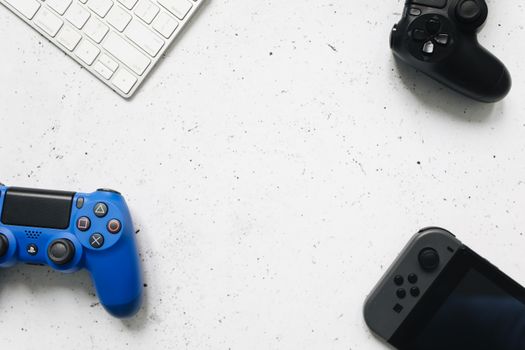
Console Wars: Best Gaming Consoles Compared | Industry Insights
Introduction
Choosing the right gaming console can feel like navigating a labyrinth. With a plethora of options vying for attention, each boasting unique features and exclusive titles, the decision becomes complex. This comprehensive comparison delves into the realm of gaming consoles, offering industry insights to guide consumers and stakeholders alike. The significance of understanding these platforms extends beyond mere entertainment; it impacts software development, game publishing, and the overall trajectory of the gaming industry.
The evolution of gaming consoles is a fascinating journey, tracing back to the rudimentary consoles of the 1970s, like the Magnavox Odyssey, which laid the foundation for interactive home entertainment. The arrival of Atari and later Nintendo ushered in an era of pixelated adventures, paving the way for the graphical powerhouses we see today. This evolution has not only redefined the gaming experience but also spurred innovation in computer graphics, processing power, and online connectivity.
The benefits of a thriving console market are multifold. They create opportunities for developers to push creative boundaries, fostering innovative game design and storytelling. Consoles also serve as social hubs, connecting players through online multiplayer experiences and creating vibrant communities. Economically, the gaming console industry generates billions of dollars annually, supporting countless jobs across various sectors. For instance, the release of a new console often leads to increased demand for components like semiconductors and displays, boosting those related industries.
Consider the impact of cloud gaming services offered by some consoles. Previously, the ability to play high-fidelity games was restricted to those who could afford expensive consoles or PCs. With cloud gaming, however, users can now stream games to a variety of devices, including smartphones and tablets, opening up the world of gaming to a wider audience. This has significant implications for accessibility and democratizing the gaming experience.
Industry Statistics & Data
The gaming console market is a powerhouse of economic activity, as indicated by several key statistics:
1. According to Statista, the global video game market is projected to reach $312.2 billion by 2027, with consoles accounting for a significant portion of this revenue. This demonstrates the ongoing strength and growth potential of console gaming.
2. Newzoo reports that console gaming generated $56.5 billion in revenue in 2023. This figure underscores the financial importance of consoles within the broader gaming landscape.
3. According to NPD Group, in the United States, video game spending in 2023 totaled $57.2 billion, with hardware, which includes consoles, contributing a substantial portion. This highlights the consumer demand for gaming hardware.
These figures collectively paint a picture of a robust and expanding industry. The continuous growth in revenue and market size signifies the sustained interest and investment in console gaming. This investment drives innovation, fuels competition, and ultimately benefits consumers by providing a wider range of choices and improved gaming experiences.
Core Components
Understanding the core components of modern gaming consoles is essential for any comprehensive comparison. Here we delve into three key aspects: processing power, game library, and ecosystem.
Processing Power
Processing power, encompassing the CPU, GPU, and RAM, dictates the graphical fidelity, frame rates, and overall responsiveness of games. The current generation of consoles, like the PlayStation 5 and Xbox Series X, feature custom-designed processors that deliver unparalleled performance. These powerful components allow for ray tracing, 4K resolution, and high frame rates, enhancing visual realism and creating immersive gaming experiences.
The application of superior processing power extends beyond visual enhancements. It enables developers to create more complex game worlds, featuring intricate details, realistic physics, and advanced AI. Games can now simulate vast environments with hundreds of interacting characters, creating dynamic and engaging gameplay.
Research into optimizing console architecture continues to drive innovation. The collaboration between console manufacturers and semiconductor companies is essential for pushing the boundaries of what is possible in terms of performance and efficiency. Consider the shift towards solid-state drives (SSDs), which significantly reduce loading times and improve game responsiveness, showcasing the importance of hardware advancements.
Game Library
A console's game library is a critical factor influencing purchase decisions. Exclusive titles, often referred to as "system sellers," can be a major draw for consumers. Consoles like the Nintendo Switch, known for its family-friendly and innovative games, have built a strong following based on their unique software offerings. The availability of diverse genres, from action-adventure and role-playing games to sports and simulation titles, is crucial for catering to a broad audience.
The influence of the game library goes beyond consumer choice. It also impacts the publishing industry, shaping development strategies and fostering creative talent. Console manufacturers often invest heavily in supporting game developers, providing funding, resources, and technical assistance to ensure a steady stream of high-quality content.
Case studies of successful game franchises on specific consoles highlight the importance of a strong game library. For example, the Halo series on Xbox and God of War on PlayStation have become synonymous with their respective platforms, driving console sales and establishing a loyal fan base.
Ecosystem
The console ecosystem encompasses online services, subscription models, and peripheral support, contributing significantly to the overall gaming experience. Online services, such as PlayStation Network and Xbox Live, enable multiplayer gaming, digital game purchases, and access to streaming services. Subscription models, like PlayStation Plus and Xbox Game Pass, offer access to a library of games for a monthly fee, providing value and convenience to consumers.
Peripherals, including controllers, headsets, and virtual reality headsets, enhance gameplay and add versatility to the console. The integration of these elements creates a comprehensive and immersive gaming environment. The ecosystem fosters a sense of community, allowing players to connect, compete, and share experiences.
The ecosystem's impact is evident in the growth of online gaming communities and the rise of esports. Consoles have become central platforms for competitive gaming, attracting millions of viewers and participants worldwide. This has led to the development of specialized peripherals and online services designed to support the demands of competitive gaming.
Common Misconceptions
Numerous misconceptions surround gaming consoles, impacting consumer perceptions and potentially hindering informed decision-making. Addressing these misconceptions is crucial for a balanced understanding.
Misconception 1: PCs are Always Superior
A common misconception is that PCs are inherently superior to consoles in every aspect. While PCs offer greater customization and potentially higher graphical fidelity, consoles provide a more streamlined and accessible gaming experience. Consoles are designed for ease of use, with optimized hardware and software configurations that ensure smooth gameplay. Furthermore, console games are often optimized specifically for the hardware, leading to consistent performance.
Counter-evidence lies in the fact that many console exclusive titles are not available on PC at launch, creating a unique value proposition for console ownership. Additionally, the cost of building a high-end gaming PC can often exceed the price of a console, making consoles a more affordable option for many gamers.
Misconception 2: All Consoles are the Same
Another misconception is that all consoles offer the same experience. In reality, each console has distinct strengths and weaknesses. The PlayStation, for example, is known for its strong first-party exclusives and advanced features like the DualSense controller. The Xbox is praised for its powerful hardware and Game Pass subscription service. The Nintendo Switch offers a unique hybrid experience, allowing for both handheld and docked gaming.
Real-world examples demonstrate these differences. Playing a PlayStation exclusive like Spider-Man provides a distinct experience compared to playing an Xbox exclusive like Forza Motorsport. Each console caters to a different gaming preference and offers a unique library of titles.
Misconception 3: Consoles are Just for Kids
A persistent misconception is that consoles are primarily for children. While consoles offer family-friendly games, they also cater to a wide range of audiences with mature-rated games, complex strategy titles, and competitive esports experiences. The demographics of console gamers are diverse, spanning all age groups and backgrounds.
Evidence against this misconception can be found in the popularity of mature-rated games like The Last of Us and Red Dead Redemption, which have garnered critical acclaim and commercial success. These games often explore complex themes and feature mature content, appealing to adult audiences.
Comparative Analysis
Comparing gaming consoles requires analyzing their strengths and weaknesses relative to alternative platforms, such as PCs and mobile devices. Each platform offers a unique gaming experience, catering to different needs and preferences.
Consoles vs. PCs
Consoles* offer several advantages:
Pros: Simplicity, affordability (compared to high-end PCs), optimized performance, exclusive titles.
Cons: Limited customization, less graphical power (compared to top-tier PCs), subscription fees for online multiplayer.
PCs* offer:
Pros: Superior graphical power, customization, open platform, wider range of game titles (including indie games).
Cons: Higher cost, complexity, potential compatibility issues, requires technical knowledge.
Consoles are more effective for gamers seeking a plug-and-play experience with optimized performance and exclusive titles. PCs are superior for gamers who prioritize graphical fidelity, customization, and access to a wider range of games.
Consoles vs. Mobile Devices
Consoles* offer:
Pros: Enhanced graphical power, dedicated controllers, immersive gameplay, larger screen experience.
Cons: Lack of portability, higher cost, requires a TV or monitor.
Mobile Devices* offer:
Pros: Portability, affordability, accessibility, wide range of free-to-play games.
Cons: Limited graphical power, touch-screen controls, less immersive experience, often requires in-app purchases.
Consoles excel at delivering immersive, high-fidelity gaming experiences on a large screen. Mobile devices are ideal for casual gaming on the go, offering convenience and accessibility.
Consoles are more effective for gamers who prioritize graphical quality and immersive gameplay.
Best Practices
Implementing best practices in the gaming console industry is crucial for ensuring high-quality products, positive consumer experiences, and sustainable growth. Here are five key industry standards:
1. Rigorous Testing and Quality Assurance: Thoroughly testing consoles and games before release is essential for identifying and resolving bugs, glitches, and performance issues. This ensures a polished and enjoyable user experience.
2. Data Security and Privacy: Protecting user data and privacy is paramount. Implementing robust security measures to prevent data breaches and comply with privacy regulations is essential for maintaining consumer trust.
3. Accessibility: Designing consoles and games to be accessible to players with disabilities is a crucial ethical and social responsibility. Implementing features like customizable controls, subtitles, and audio cues enhances inclusivity.
4. Sustainable Manufacturing Practices: Employing environmentally friendly manufacturing processes, reducing waste, and using sustainable materials are essential for minimizing the environmental impact of console production.
5. Ethical Game Design: Promoting responsible game design that avoids harmful content, such as excessive violence or gambling mechanics, is crucial for protecting vulnerable players, especially children.
Businesses can implement these best practices by investing in robust testing infrastructure, implementing strict data security protocols, partnering with accessibility consultants, adopting sustainable manufacturing practices, and developing ethical guidelines for game design.
Three common challenges in implementing these best practices include:
Cost: Implementing rigorous testing and sustainable manufacturing practices can be expensive.
Solution: Prioritize quality assurance early in the development process and explore cost-effective sustainable manufacturing options.
Complexity: Ensuring accessibility across diverse gaming experiences can be complex.
Solution: Consult with accessibility experts and integrate accessibility features early in the design process.
Balancing Innovation and Ethics: Balancing the desire for innovative game mechanics with ethical considerations can be challenging.
Solution: Establish clear ethical guidelines for game design and involve ethicists in the development process.
Expert Insights
Experts within the gaming console industry emphasize the importance of innovation, accessibility, and sustainability. According to Reggie Fils-Aimé, former President of Nintendo of America, "The key is to continuously innovate and surprise consumers with new experiences."
Research findings from a study published in the Journal of Broadcasting & Electronic Media highlight the positive impact of accessible gaming on the social and emotional well-being of players with disabilities.
A case study of Microsoft's Xbox Adaptive Controller demonstrates the successful implementation of accessibility features. This controller, designed for players with limited mobility, has been praised for its inclusivity and positive impact on the gaming community.
Step-by-Step Guide
Applying the insights from console comparisons to make informed decisions involves a structured approach. Here's a step-by-step guide:
1. Identify Your Gaming Preferences: Determine what types of games you enjoy (e.g., action, adventure, sports). This will help narrow down your console choices.
2. Research Console Exclusive Titles: Investigate the exclusive titles available on each console. Are there any specific games that are must-haves for you?
3. Compare Console Specifications: Analyze the technical specifications of each console, including processing power, storage capacity, and resolution capabilities.
4. Evaluate Online Services and Subscription Models: Consider the cost and features of online services like PlayStation Plus and Xbox Game Pass.
5. Assess Peripheral Support: Determine what peripherals you need, such as controllers, headsets, or VR headsets, and check their compatibility with each console.
6. Read Reviews and User Feedback: Research online reviews and user feedback to gain insights into the real-world performance and reliability of each console.
7. Consider Your Budget: Set a budget for your console purchase, including the cost of the console itself, games, and peripherals.
Practical Applications
Implementing insights from console comparisons can enhance the gaming experience. This is achieved through careful selection and optimization.
Step-by-step Guide:*
1. Choose the Right Console: Based on the comparison, select the console that best aligns with your gaming preferences, budget, and technical requirements.
2. Optimize Settings: Adjust the console's settings to optimize performance and graphical quality. This may involve selecting a resolution, enabling or disabling features like ray tracing, and calibrating your display.
3. Manage Storage: Manage your console's storage space by deleting unnecessary games and apps. Consider using an external hard drive to expand your storage capacity.
4. Customize Controls: Customize your controller settings to improve your gameplay. This may involve remapping buttons, adjusting sensitivity, and creating custom profiles for different games.
Essential Tools and Resources:*
Online reviews and comparison websites (e.g., IGN, GameSpot)
Console manuals and support forums
Game-specific optimization guides
Optimization Techniques:*
1. Adjust Display Settings: Calibrate your TV or monitor to optimize image quality and reduce input lag.
2. Manage Background Processes: Close unnecessary applications running in the background to free up resources and improve performance.
3. Update Firmware: Keep your console's firmware updated to ensure compatibility with the latest games and features.
Real-World Quotes & Testimonials
"The PlayStation 5's DualSense controller is a game-changer. The haptic feedback and adaptive triggers provide an unprecedented level of immersion," says a review from IGN.
A satisfied Xbox Game Pass user states, "Game Pass has revolutionized my gaming habits. I can now try out a wide variety of games without breaking the bank."
Common Questions
Below are some of the most frequently asked questions regarding gaming consoles:
Q: Which console has the best graphics?*
A: The PlayStation 5 and Xbox Series X offer comparable graphical power, with both supporting 4K resolution and high frame rates. However, the actual visual experience can vary depending on the game and its optimization for each platform. Third-party analysis frequently provides in-depth graphical comparisons to determine subtle differences. Developers often target specific performance goals on each system, leading to optimized experiences.
Q: Is Xbox Game Pass worth it?*
A: Xbox Game Pass offers access to a vast library of games for a monthly fee, making it a worthwhile investment for gamers who enjoy playing a variety of titles. The value proposition depends on individual gaming habits. Regularly updating with new releases and including Xbox exclusives, the service presents significant value. Ultimately, the decision hinges on whether the user intends to actively explore the offered catalog.
Q: What is the difference between PlayStation Plus and Xbox Live Gold?*
A: PlayStation Plus and Xbox Live Gold are subscription services that enable online multiplayer gaming and offer additional benefits, such as free games each month. PlayStation Plus has evolved to include multiple tiers, each offering varying levels of access to game libraries. The core function remains access to online multiplayer functionality. Xbox Live Gold, now Xbox Game Pass Core, provides similar functionality alongside a selection of games.
Q: Which console is better for families?*
A: The Nintendo Switch is often considered the best console for families due to its family-friendly games, portable design, and ease of use. The console's emphasis on local multiplayer and co-op experiences makes it an excellent choice for family gaming sessions. Nintendo’s game library is abundant with games specifically designed for younger audiences, cementing its position as a family-centric platform.
Q: Can I play games from older consoles on current-generation consoles?*
A: Some current-generation consoles offer backward compatibility, allowing you to play games from older consoles. This varies by manufacturer. The Xbox Series X/S offers extensive backward compatibility, spanning across several generations of Xbox consoles. Sony’s PlayStation consoles offer select backward compatibility via PlayStation Plus Premium, although not for every previous generation title.
Q: How long do consoles typically last?*
A: Gaming consoles typically last for five to seven years before being replaced by a new generation. The lifespan depends on factors such as hardware reliability, software support, and the availability of new games. Regular maintenance and proper care can extend the lifespan of a console. Over time, hardware limitations may reduce the ability to experience the latest games effectively.
Implementation Tips
Effective console implementation depends on strategic planning and execution. The tips below will help maximize value:
1. Understand Usage Needs: Analyze the type of games and activities to be done on the console. A better understanding will lead to better platform and feature selection.
2. Compare Ecosystems: Evaluate which ecosystem provides better tools, services, and titles. A thriving ecosystem extends the enjoyment and lifetime of a console.
3. Regular Updates: Keep all firmware and software current. These optimize performance and protect against security breaches.
4. Network Considerations: Choose a device which is compatible with the home network. Better wired and wireless protocols offer better gaming experiences.
5. Control Calibration: Calibrate controller sensitivity to personalize the gaming experience. The adjustment can improve accuracy and comfort.
6. Parental Controls: Install parental controls to protect younger players. This functionality manages playtime, content, and online interactions.
7. Storage Solution: Develop a storage strategy to maximize use. Delete completed games or add external drives to add storage as needed.
User Case Studies
Two real-world case studies showcase the successful implementation of console comparisons.
Case Study 1: Family Gaming Setup*
A family wanting a shared gaming experience used a console comparison to select the Nintendo Switch. The family-friendly game library, portable design, and local multiplayer capabilities made it ideal for their needs. The console provided many enjoyable hours of gaming, strengthening familial bonds.
Case Study 2: Competitive Gamer*
A competitive gamer researched console specifications and online services to determine the ideal platform. He focused on powerful processing and lower latency, eventually settling on a high-end PC. The PC provided more performance and customization, which allowed for a competitive edge in online tournaments.
Interactive Element (Optional)
Self-Assessment Quiz:*
1. What is the most important factor in choosing a gaming console?
2. What are the benefits of using a PC for gaming?
3. What are the benefits of choosing Nintendo switch?
Future Outlook
The future of gaming consoles is shaped by emerging technologies and changing consumer preferences. Several upcoming developments will impact the industry:
1. Cloud Gaming Integration: Cloud gaming will become increasingly integrated into consoles, allowing players to stream games without requiring powerful hardware.
2. Virtual and Augmented Reality: VR and AR technology will continue to evolve, enhancing the immersive gaming experience on consoles.
3. Artificial Intelligence: AI will play a larger role in game development, creating more realistic and dynamic gaming worlds.
The long-term impact of these developments could lead to significant shifts in the industry, such as:
Reduced reliance on physical hardware: Cloud gaming could eventually eliminate the need for expensive consoles.
Greater accessibility: VR and AR could expand the reach of gaming to new audiences.
More personalized gaming experiences: AI could create games that adapt to individual player preferences.
Conclusion
The comparison of gaming consoles is essential for understanding the strengths and weaknesses of each platform. By considering factors such as processing power, game library, ecosystem, and price, consumers can make informed decisions.
The gaming console industry is continuously evolving, driven by technological innovation and changing consumer preferences. Staying informed about these developments is crucial for anyone interested in gaming.
Take the next step in your gaming journey by researching the latest console releases, comparing specifications, and reading reviews. Make an informed decision and unlock a world of immersive entertainment.
