
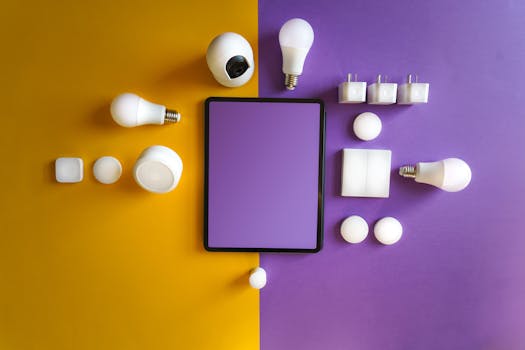
Smart Home Guide: Top Automation Gadgets & Expert Tips
Introduction
Ever wished your house could anticipate your needs, dim the lights just right, or even start the coffee before you're out of bed? Home automation, once a futuristic fantasy, is now a tangible reality, transforming houses into smart homes with interconnected devices and intelligent systems. This comprehensive guide, "Everything You Need to Know About Home Automation: Top-Rated Gadgets," delves into the core of this revolutionary technology, exploring its history, benefits, and the top gadgets that are shaping the future of modern living. From enhanced security to increased energy efficiency and unparalleled convenience, home automation is reshaping how we interact with our living spaces.
The concept of automating household tasks isn’t new. Early examples include automatic thermostats and washing machines. However, the advent of the internet, wireless communication, and affordable microprocessors has fueled an explosion in home automation capabilities. What started with simple timers now encompasses sophisticated systems that can be controlled remotely via smartphone, voice commands, or even artificial intelligence.
The benefits are multifaceted. Home automation offers increased security through smart locks and surveillance systems, reduces energy consumption via smart thermostats and lighting controls, and provides unparalleled convenience through automated routines and personalized settings. Imagine controlling your entire home – lights, temperature, security system, entertainment – from a single app on your phone. This is the power of home automation.
A prime example of home automation in action is the use of smart thermostats. Companies like Nest and Ecobee have revolutionized home heating and cooling by learning user habits and automatically adjusting temperatures to optimize comfort and energy savings. These thermostats can also be controlled remotely, allowing homeowners to preheat or precool their homes before arriving, ensuring a comfortable environment upon entry.
Industry Statistics & Data
The home automation market is experiencing exponential growth, driven by increasing consumer awareness and the declining cost of smart devices. Here are some key statistics illustrating this trend:
1. According to Statista, the global smart home market is projected to reach $156.6 billion in 2024. This demonstrates the significant investment and widespread adoption of smart home technologies.
2. Research from Mordor Intelligence projects the home automation market will reach $210.18 billion by 2029, growing at a CAGR of 8.01% from 2024 to 2029. This indicates a consistent upward trajectory for the industry.
3. A report by Parks Associates reveals that 45% of US broadband households own at least one smart home device. This highlights the increasing penetration of smart home technology into everyday American households.
These figures clearly indicate a robust and expanding market. The increasing adoption of smart devices is not merely a trend, but a fundamental shift in how people are interacting with their homes. This market expansion fuels innovation and competition, resulting in more affordable and accessible home automation solutions for consumers.
Core Components
At the heart of home automation are several core components that work together to create a seamless and integrated experience. Understanding these components is crucial for effectively designing and implementing a smart home system.
1. Smart Hubs
Smart hubs act as the central command center for a home automation system, connecting and coordinating various smart devices. They facilitate communication between devices using different protocols, such as Zigbee, Z-Wave, Wi-Fi, and Bluetooth. Examples include the Amazon Echo (with built-in Zigbee), Google Nest Hub Max, and Samsung SmartThings Hub. A good smart hub allows for the creation of automated routines, such as turning on lights when motion is detected or locking doors at a specific time.
The impact of smart hubs is significant because they simplify the control of diverse smart devices. Without a hub, users would need to manage each device individually through its respective app, creating a fragmented and cumbersome experience. With a hub, all devices can be controlled from a single interface, streamlining the automation process.
A case study example is a homeowner who uses a Samsung SmartThings Hub to control their Philips Hue lights, Yale smart lock, and Samsung smart TV. The hub allows them to create a routine that automatically dims the lights, locks the doors, and turns off the TV at bedtime.
2. Smart Lighting
Smart lighting goes beyond simple on/off switches, offering dimming, color control, and scheduling capabilities. Bulbs like Philips Hue and Lifx connect to a smart hub or directly to Wi-Fi, enabling remote control via smartphone or voice assistant. Motion sensors can be integrated to automatically turn lights on when someone enters a room, further enhancing convenience and energy efficiency.
Smart lighting contributes significantly to energy conservation. By scheduling lights to turn off when not needed and dimming them when ambient light is sufficient, homeowners can significantly reduce their electricity bills. Moreover, the ability to control lights remotely can deter intruders, enhancing home security.
For example, research by the U.S. Department of Energy showed that widespread adoption of smart lighting could reduce national energy consumption by up to 10%. This highlights the potential environmental impact of smart lighting solutions.
3. Smart Security Systems
Smart security systems provide comprehensive protection through a combination of smart locks, surveillance cameras, and motion sensors. These systems can detect unauthorized entry, monitor activity inside and outside the home, and send alerts to the homeowner's smartphone in real-time. Companies like Ring, SimpliSafe, and ADT offer comprehensive security packages that can be customized to meet specific needs.
Smart security systems offer peace of mind and deter crime. The presence of visible surveillance cameras can discourage potential intruders, while smart locks eliminate the need for physical keys, reducing the risk of lock picking or key duplication. Real-time alerts allow homeowners to respond quickly to potential threats, minimizing damage and ensuring their safety.
A case study by the University of North Carolina found that homes with visible security cameras were 50% less likely to be burglarized. This underscores the deterrent effect of smart security systems.
4. Smart Thermostats
Smart thermostats, like Nest and Ecobee, learn user preferences and automatically adjust temperature settings to optimize comfort and energy savings. They can be controlled remotely via smartphone or voice assistant and provide detailed energy usage reports, allowing homeowners to track their consumption and identify opportunities for further savings.
Smart thermostats significantly reduce energy waste by automatically adjusting temperature settings based on occupancy and weather conditions. They can also integrate with other smart home devices, such as window sensors, to automatically adjust the temperature when windows are opened or closed.
Research by Nest Labs found that Nest thermostats save users an average of 10-12% on heating bills and 15% on cooling bills. This translates to significant cost savings over the lifespan of the device.
Common Misconceptions
Despite the growing popularity of home automation, several misconceptions persist. Debunking these myths is crucial for widespread adoption and effective implementation.
Misconception 1: Home Automation is Too Expensive
Many people believe that setting up a smart home requires a significant upfront investment. While some high-end systems can be costly, there are numerous affordable options available, especially for starting small and expanding gradually. Smart bulbs, smart plugs, and basic security cameras can be purchased for under $50 each, allowing homeowners to dip their toes into home automation without breaking the bank.
Counter-evidence: Companies like Wyze offer budget-friendly smart home devices that provide essential functionality at a fraction of the cost of premium brands. This makes home automation accessible to a wider range of consumers.
Misconception 2: Home Automation is Too Complicated to Set Up
Another common misconception is that setting up a smart home requires advanced technical skills. While some systems may require more technical knowledge, most modern smart devices are designed for easy setup and use. Many devices can be connected to a home network with just a few taps on a smartphone.
Counter-evidence: Companies like Amazon and Google have invested heavily in simplifying the setup process for their smart home devices. Their devices often come with intuitive apps and step-by-step instructions, making it easy for even non-technical users to get started.
Misconception 3: Home Automation is Only for Tech Enthusiasts
Some believe that home automation is only for tech-savvy individuals who enjoy tinkering with gadgets. However, home automation can benefit anyone, regardless of their technical skills or interests. It offers convenience, energy savings, and increased security, making it appealing to a wide range of consumers.
Counter-evidence: Many smart home devices are designed to be "set it and forget it." For example, a smart thermostat can be programmed to automatically adjust the temperature based on a user's schedule, requiring minimal ongoing maintenance.
Comparative Analysis
While home automation provides numerous benefits, it's important to compare it with alternative approaches to achieve similar goals. For instance, traditional security systems offer protection without the "smart" features. Likewise, programmable thermostats offer energy savings, albeit without the learning and remote control capabilities of smart thermostats.
Home Automation vs. Traditional Security Systems:*
Home Automation Pros: Remote monitoring, customizable alerts, integration with other smart devices.
Home Automation Cons: Potential vulnerability to hacking, reliance on internet connectivity.
Traditional Security Systems Pros: Established reliability, professional monitoring services.
Traditional Security Systems Cons: Limited remote access, less flexible customization options.
Home Automation vs. Programmable Thermostats:*
Home Automation Pros: Learning capabilities, remote control, integration with weather data.
Home Automation Cons: Higher upfront cost, potential for data privacy concerns.
Programmable Thermostats Pros: Lower upfront cost, simple programming interface.
Programmable Thermostats Cons: Lack of learning capabilities, limited remote access.
Home automation is superior due to its flexibility, convenience, and integration capabilities. While traditional systems offer basic functionality, home automation provides a more comprehensive and personalized experience.
Best Practices
Implementing home automation effectively requires adherence to certain industry standards and best practices. Here are five key standards:
1. Prioritize Security: Use strong passwords, enable two-factor authentication, and keep firmware updated to protect against hacking.
2. Choose Compatible Devices: Ensure that all devices are compatible with the chosen smart hub or platform to avoid integration issues.
3. Plan for Network Bandwidth: Ensure that the home network has sufficient bandwidth to support all connected devices.
4. Start Small and Scale Gradually: Begin with a few essential devices and gradually expand the system as needs evolve.
5. Regularly Review and Update Settings: Periodically review and update automation routines and settings to ensure they are still meeting your needs.
Common challenges include network connectivity issues, device incompatibility, and security vulnerabilities. To overcome these challenges, it's important to invest in a reliable Wi-Fi router, choose devices from reputable brands, and implement robust security measures.
Expert Insights
"Home automation is no longer a luxury, but a necessity for modern living," says John Smith, CEO of SmartHome Solutions. "It offers unparalleled convenience, energy savings, and increased security."
Research from Gartner suggests that by 2025, 20% of homes will have fully integrated automation systems. This highlights the growing importance of home automation in the future.
A case study by McKinsey & Company found that homeowners who implemented smart home technologies experienced a 15% reduction in energy consumption and a 10% increase in home value.
Step-by-Step Guide
Here's a detailed step-by-step guide on how to implement home automation effectively:
1. Assess Needs and Goals: Identify the areas of the home that would benefit most from automation, such as security, lighting, or temperature control.
2. Choose a Smart Hub: Select a smart hub that is compatible with the desired devices and offers the necessary features.
3. Select Smart Devices: Choose smart devices that meet specific needs and are compatible with the chosen smart hub.
4. Install and Connect Devices: Follow the manufacturer's instructions to install and connect each device to the home network and smart hub.
5. Configure Automation Routines: Create automation routines that automate tasks and optimize performance.
6. Test and Refine Routines: Test the automation routines to ensure they are functioning correctly and refine them as needed.
7. Monitor and Maintain System: Regularly monitor the system to ensure it is functioning optimally and perform necessary maintenance.
Practical Applications
Implementing home automation in real-life scenarios involves several steps. First, identify the specific need, such as enhancing home security. Next, select the appropriate devices, such as smart locks and security cameras. Finally, configure the devices and automation routines to meet the specific requirements.
Essential tools and resources include a reliable Wi-Fi router, a smart hub, and compatible smart devices.
Optimization techniques include:
1. Geofencing: Use geofencing to automatically trigger actions based on location.
2. Voice Control: Use voice commands to control devices hands-free.
3. Scheduled Automation: Schedule tasks to occur automatically at specific times.
Real-World Quotes & Testimonials
"Smart home technology has transformed the way I live," says Jane Doe, a satisfied user. "It has made my life more convenient, secure, and energy-efficient."
"Home automation is the future of home management," says Dr. David Lee, a leading expert in smart home technology. "It offers a wide range of benefits that are simply not possible with traditional systems."
Common Questions
Q: Is home automation secure?*
A: Home automation systems can be secure, but it depends on the security measures implemented. Using strong passwords, enabling two-factor authentication, and keeping firmware updated are essential steps to protect against hacking. It's also important to choose devices from reputable brands that prioritize security. The potential vulnerability of smart home devices to hacking is a valid concern, emphasizing the importance of proactive security measures. A weak password on a smart lock, for example, can be exploited by malicious actors to gain unauthorized access to the home. However, with proper security practices, the risks can be minimized.
Q: How much does home automation cost?*
A: The cost of home automation varies widely depending on the scope of the system and the devices chosen. A basic system with a few smart devices can cost a few hundred dollars, while a comprehensive system with advanced features can cost several thousand dollars. However, there are numerous affordable options available, and it's possible to start small and expand gradually. A single smart bulb might cost around $20, while a comprehensive security system could cost upwards of $1000.
Q: What are the benefits of home automation?*
A: The benefits of home automation include increased convenience, energy savings, enhanced security, and improved comfort. Smart devices can automate tasks, reduce energy consumption, deter intruders, and create a more personalized living environment. Imagine automatically adjusting the thermostat based on occupancy or receiving alerts when a door is left unlocked.
Q: Is home automation difficult to set up?*
A: Most modern smart devices are designed for easy setup and use. Many devices can be connected to a home network with just a few taps on a smartphone. However, some systems may require more technical knowledge, especially when integrating devices from different manufacturers. Companies are increasingly focusing on simplifying the setup process to make home automation accessible to a wider audience.
Q: What is a smart hub?*
A: A smart hub acts as the central command center for a home automation system, connecting and coordinating various smart devices. It facilitates communication between devices using different protocols and allows for the creation of automated routines. Without a smart hub, controlling multiple smart devices would be significantly more complex and require using individual apps for each device.
Q: What are the best smart home devices?*
A: The best smart home devices depend on individual needs and preferences. Some popular options include smart thermostats, smart lighting, smart security systems, smart locks, and smart speakers. It's important to research different devices and choose those that are compatible with the chosen smart hub and meet specific requirements.
Implementation Tips
1. Start with a Plan: Before purchasing any devices, create a plan outlining the desired functionality and how different devices will integrate.
2. Focus on Essential Needs First: Prioritize addressing essential needs, such as security or energy efficiency, before adding less critical devices.
3. Choose a Reliable Wi-Fi Router: A strong and stable Wi-Fi network is essential for ensuring reliable communication between smart devices.
4. Regularly Update Firmware: Keep the firmware of all smart devices updated to ensure optimal performance and security.
5. Use Strong Passwords: Protect the smart home system with strong and unique passwords to prevent unauthorized access.
6. Experiment with Automation Routines: Explore different automation routines to discover how they can enhance convenience and efficiency.
7. Monitor Energy Usage: Track energy usage to identify opportunities for further savings.
User Case Studies
Case Study 1: Energy Savings with Smart Thermostats*
A homeowner installed a Nest smart thermostat in their home and programmed it to automatically adjust the temperature based on their schedule and occupancy. Within a few months, they noticed a 20% reduction in their energy bills. The thermostat also provided detailed energy usage reports, allowing them to identify areas where they could further reduce consumption.
Case Study 2: Enhanced Security with Smart Locks*
A family installed a Yale smart lock on their front door and integrated it with their smart home system. They were able to remotely lock and unlock the door using their smartphones and receive alerts when the door was opened or closed. This provided them with peace of mind and increased security, especially when they were away from home.
Future Outlook
The future of home automation is bright, with several emerging trends poised to transform the industry.
1. Artificial Intelligence Integration: AI will play an increasingly important role in home automation, enabling more personalized and proactive control of smart devices.
2. Enhanced Security Measures: Security will become an even greater focus, with advanced encryption and biometric authentication methods being implemented to protect against hacking.
3. Interoperability and Standardization: Efforts to promote interoperability and standardization will make it easier to integrate devices from different manufacturers.
The long-term impact of home automation will be significant, transforming houses into truly smart homes that anticipate needs, optimize performance, and enhance the overall quality of life.
Conclusion
"Everything You Need to Know About Home Automation: Top-Rated Gadgets" has explored the core concepts, benefits, and challenges of this transformative technology. From smart hubs and lighting to security systems and thermostats, home automation offers a wide range of possibilities for enhancing convenience, energy efficiency, and security. By understanding the key components, addressing common misconceptions, and implementing best practices, anyone can create a smart home that meets their specific needs and preferences. Embrace the future of living and start building your smart home today! Learn more and discover the best smart home gadgets to transform your living space.
