
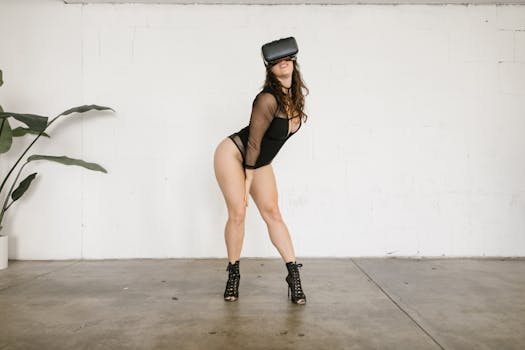
VR Gaming Trends 2024: Future Predictions & What's Next
Introduction
Will virtual reality gaming finally break into the mainstream? The question hangs heavy in the air, fueled by both fervent optimism and cautious skepticism. The excitement surrounding VR gaming is undeniable. Its promise of immersive, interactive worlds has captivated gamers for decades, evolving from science fiction fantasies to tangible (if still somewhat nascent) realities. The "Best VR Gaming Trends: future predictions" are of paramount importance because they provide a roadmap for developers, investors, and gamers alike. They highlight which innovations are likely to shape the future of interactive entertainment, indicating where resources should be focused and what experiences users can anticipate. The relevance is immediate: understanding these trends enables informed decision-making in a rapidly evolving landscape.
Historically, VR gaming has struggled with technological limitations, high costs, and a lack of compelling content. Early iterations were bulky, expensive, and offered limited visual fidelity. The gaming experiences were often short, simplistic, and prone to inducing motion sickness. However, advancements in hardware, software, and content creation have steadily chipped away at these barriers. Headsets are becoming lighter, more affordable, and offer significantly improved resolution and refresh rates. Powerful PCs and consoles are driving increasingly immersive and graphically demanding VR games.
The benefits of VR gaming extend beyond mere entertainment. It provides unparalleled levels of immersion and presence, allowing players to feel genuinely transported to virtual environments. This heightened sense of realism can enhance engagement, emotional connection, and even skill development. VR is being used for training simulations in various industries, from healthcare to aerospace, providing risk-free environments for learning and practicing complex procedures. The impact on daily life is steadily growing as VR finds applications in education, therapy, and social interaction.
A clear example of successful VR gaming application is Beat Saber, a rhythm game where players slash blocks to the beat of music. Its simple yet addictive gameplay, combined with the immersive nature of VR, has made it a massive hit, demonstrating the potential of VR to offer unique and engaging gaming experiences.
Industry Statistics & Data
The VR gaming market is poised for substantial growth, supported by several key indicators.
1. A report by Statista projects the global VR gaming market to reach $22.9 billion by 2027, with a compound annual growth rate (CAGR) of over 30% from 2022-2027. This demonstrates a strong and sustained increase in market size, reflecting growing adoption rates and investment in the sector. (Source: Statista)
2. According to a survey conducted by Greenlight Insights, approximately 41% of VR users play VR games at least once a week. This highlights the engagement level and retention rates within the VR gaming community. (Source: Greenlight Insights)
3. Data from Steam shows that the number of VR users on the platform has steadily increased, with a peak concurrent user count exceeding 150,000 in early 2023. This data points to a growing audience for VR games, indicating increasing consumer demand and adoption of VR hardware. (Source: Steam Hardware Survey)
These numbers collectively paint a picture of a vibrant and expanding VR gaming market. The projected growth rate indicates strong investor confidence and increasing consumer interest. The engagement statistics suggest that VR gaming is not just a fleeting trend but a sustained form of entertainment for a significant portion of users. The Steam data further reinforces the notion of a growing player base, demonstrating the potential for VR games to reach a large audience.
Core Components
The future of VR gaming hinges on several core components: advanced hardware, compelling content, enhanced social interaction, and seamless integration with other technologies.
Advanced Hardware
The evolution of VR hardware is crucial for widespread adoption. Current headsets are often criticized for their weight, resolution limitations, and field-of-view restrictions. Future headsets will need to be lighter, more comfortable, and offer significantly higher resolution displays with wider fields of view to enhance immersion and reduce motion sickness. Wireless connectivity is another essential aspect, freeing players from cumbersome cables and allowing for greater freedom of movement. Technological advancements like eye-tracking and foveated rendering, where only the area the user is looking at is rendered in full detail, will significantly improve performance and visual fidelity without requiring exponentially more processing power.
Real-world applications of advanced VR hardware are already emerging. Companies are developing headsets with integrated hand-tracking and haptic feedback, allowing players to interact with virtual environments in a more natural and intuitive way. The Valve Index, for instance, features "knuckle controllers" that track individual finger movements, enabling players to grasp and manipulate virtual objects with unprecedented precision. This level of interactivity opens up new possibilities for gameplay mechanics and immersive experiences.
A research study published in the International Journal of Human-Computer Studies investigated the impact of high-resolution displays on user experience in VR gaming. The study found that participants using high-resolution headsets reported significantly higher levels of immersion and presence compared to those using lower-resolution headsets. This highlights the crucial role of hardware advancements in enhancing the overall VR gaming experience.
Compelling Content
Even with the most advanced hardware, VR gaming will struggle to gain mainstream acceptance without a diverse and compelling library of content. Early VR games were often criticized for being short, simplistic, and lacking in depth. Future VR games will need to offer more engaging storylines, complex gameplay mechanics, and longer playtimes to rival traditional gaming experiences. Developers need to explore new genres and game designs that leverage the unique capabilities of VR, such as spatial storytelling and physically interactive gameplay.
A prime example of compelling VR content is Half-Life: Alyx, a full-fledged VR game developed by Valve. It demonstrates the potential of VR to offer a AAA gaming experience with stunning visuals, immersive gameplay, and a captivating storyline. The game utilizes VR-specific mechanics, such as physically interacting with the environment to solve puzzles and combat enemies, creating a truly unique and engaging experience.
A case study conducted by the University of Southern California explored the impact of narrative design on user engagement in VR games. The study found that games with strong storylines and well-developed characters were more likely to keep players engaged and motivated to continue playing. This emphasizes the importance of crafting compelling narratives that resonate with players and leverage the immersive capabilities of VR.
Enhanced Social Interaction
VR gaming has the potential to be a highly social experience, connecting players from around the world in immersive virtual environments. Future VR games will need to offer robust social features, such as voice chat, shared virtual spaces, and cooperative gameplay modes. The ability to interact with other players in a natural and intuitive way will be crucial for creating a sense of community and fostering lasting connections.
Games like Rec Room and VRChat demonstrate the potential of VR for social interaction. These platforms allow players to create and customize their own avatars, explore user-generated content, and interact with other players in a variety of virtual environments. These experiences highlight the power of VR to connect people from different backgrounds and create unique social experiences.
Research conducted by Stanford University's Virtual Human Interaction Lab investigated the impact of virtual avatars on social interaction in VR. The study found that players were more likely to trust and cooperate with other players when they were represented by realistic and expressive avatars. This suggests that advancements in avatar technology, such as facial tracking and realistic body movements, can significantly enhance social interaction in VR.
Seamless Integration
The future of VR gaming also involves seamless integration with other technologies, such as augmented reality (AR), artificial intelligence (AI), and cloud computing. AR can enhance VR experiences by overlaying virtual elements onto the real world, creating mixed reality experiences that blend the physical and digital realms. AI can be used to create more realistic and engaging non-player characters (NPCs) and to dynamically adjust gameplay based on player behavior. Cloud computing can enable streaming of high-fidelity VR games to lower-powered devices, expanding access to VR experiences.
An example of integrated technology is the development of AR overlays that allow VR players to see their real-world surroundings without removing their headset. This can be useful for interacting with physical objects, such as keyboards and controllers, or for avoiding obstacles in the real world. Companies are also exploring the use of AI to create more intelligent and responsive NPCs that can adapt to player actions and create more dynamic and engaging gameplay experiences.
Research published in IEEE Transactions on Visualization and Computer Graphics explored the potential of cloud computing for VR gaming. The study found that cloud-based VR gaming could significantly reduce the hardware requirements for playing high-fidelity VR games, making them accessible to a wider audience. This highlights the potential of cloud computing to democratize access to VR experiences.
Common Misconceptions
Several misconceptions surround VR gaming, hindering its progress and adoption.
Misconception 1:* VR gaming is just a gimmick that will fade away.
Counter-evidence: While early VR iterations faced limitations, ongoing technological advancements and growing market investment suggest VR gaming is evolving beyond a mere novelty. The industry statistics discussed earlier, highlighting projected growth and increasing user engagement, directly contradict this claim. The sustained interest and continuous innovation in the field point towards a more permanent and significant role for VR gaming in the future of entertainment. Games such as Half-Life: Alyx* clearly show what can be achieved with VR in gaming.
Misconception 2:* VR gaming is too expensive for the average consumer.
Counter-evidence:* While high-end VR setups can be costly, entry-level VR headsets are becoming increasingly affordable. Standalone headsets, such as the Meta Quest 2, offer a compelling VR experience at a relatively accessible price point. Furthermore, the cost of VR hardware is expected to continue to decline as technology advances and competition increases. The availability of affordable options makes VR gaming more accessible to a broader range of consumers.
Misconception 3:* VR gaming causes motion sickness and eye strain.
Counter-evidence:* While motion sickness and eye strain can be issues in VR, technological advancements are mitigating these problems. High-resolution displays, faster refresh rates, and improved tracking systems are reducing the likelihood of motion sickness. Developers are also implementing techniques to minimize eye strain, such as adjusting the interpupillary distance (IPD) and providing comfortable viewing distances.
Comparative Analysis
VR gaming is often compared to traditional console and PC gaming, as well as emerging technologies like augmented reality (AR). Each approach offers unique advantages and disadvantages.
Traditional Console/PC Gaming:*
Pros: Established market, large game library, lower entry cost (for gaming itself, not necessarily the console/PC), familiar interface.
Cons: Lack of immersion, limited physical interaction, primarily sedentary.
Augmented Reality (AR):*
Pros: Blends digital content with the real world, highly portable, potential for everyday applications.
Cons: Limited graphical fidelity, less immersive than VR, reliance on smartphone or tablet hardware.
VR Gaming:*
Pros: High level of immersion, potential for unique gameplay mechanics, physically engaging.
Cons: Higher entry cost, smaller game library, potential for motion sickness, requires dedicated space.
VR gaming surpasses traditional gaming in terms of immersion and physical engagement. The ability to physically interact with virtual environments and experience a heightened sense of presence offers a truly unique and compelling gaming experience. While AR offers the benefit of blending digital content with the real world, it often lacks the graphical fidelity and immersive qualities of VR. In situations where immersion and physical interaction are paramount, VR gaming is the superior choice. Furthermore, certain game genres work better in VR, compared to PC/console, such as cockpit-based simulator games.
Best Practices
Implementing best practices is crucial for the continued growth and success of VR gaming.
1. Prioritize User Comfort: Design VR experiences that minimize motion sickness and eye strain. Use techniques such as gradual movement, comfortable viewing distances, and adjustable IPD settings.
2. Optimize Performance: Ensure that VR games run smoothly and efficiently on target hardware. Optimize graphics, reduce latency, and avoid performance bottlenecks.
3. Design for VR-Specific Mechanics: Leverage the unique capabilities of VR to create gameplay experiences that are not possible on traditional platforms. Experiment with spatial storytelling, physically interactive puzzles, and motion-based controls.
4. Iterate Based on User Feedback: Gather feedback from VR users throughout the development process. Use this feedback to refine gameplay mechanics, improve user interface, and address any issues related to comfort or performance.
5. Promote Accessibility: Design VR experiences that are accessible to a wide range of users. Provide customizable control schemes, adjustable difficulty levels, and support for different input devices.
Common challenges in VR gaming include motion sickness, hardware limitations, and lack of compelling content. Motion sickness can be mitigated through careful design and optimization. Hardware limitations can be addressed by targeting specific hardware platforms and optimizing graphics accordingly. The lack of compelling content can be overcome by focusing on creating unique and engaging gameplay experiences that leverage the capabilities of VR.
Expert Insights
Industry leaders and researchers are optimistic about the future of VR gaming, highlighting its potential to transform the entertainment landscape.
"VR gaming has the potential to be the next major evolution in interactive entertainment," says John Carmack, Consulting CTO at Oculus. "It offers a level of immersion and presence that is simply not possible on traditional platforms. As hardware and software continue to improve, we can expect to see VR gaming become more accessible and mainstream."
A study published in Frontiers in Virtual Reality explored the potential of VR gaming for therapeutic applications. The study found that VR games can be used to treat anxiety, phobias, and other mental health conditions. This suggests that VR gaming has the potential to not only entertain but also to improve mental well-being.
Step-by-Step Guide
To effectively apply VR gaming in a specific setting, follow these steps:
1. Define Objectives: Clearly outline the goals of using VR gaming. Is it for entertainment, training, therapy, or education?
2. Choose Hardware: Select the appropriate VR hardware based on budget, performance requirements, and target platform. Consider factors such as resolution, refresh rate, field of view, and tracking accuracy.
3. Select Software: Choose VR games or applications that align with the defined objectives. Consider factors such as gameplay mechanics, content quality, and user reviews.
4. Configure Environment: Set up a dedicated VR gaming space that is free from obstacles and hazards. Ensure that the space is well-lit and ventilated.
5. Calibrate and Adjust: Properly calibrate the VR hardware and adjust settings to optimize comfort and performance. Adjust the IPD, head strap, and other settings to ensure a comfortable fit.
6. Introduce and Guide: Provide a clear introduction to the VR experience and guide users through the initial setup and controls. Offer assistance and support as needed.
7. Evaluate and Iterate: Gather feedback from users after each VR session. Use this feedback to refine the VR experience and address any issues related to comfort, performance, or engagement.
Practical Applications
One practical application of VR gaming is in flight simulation. Traditional flight simulators are expensive and require a dedicated setup. VR-based flight simulators offer a more affordable and accessible alternative. By using a VR headset and compatible flight controls, users can experience the thrill of flying in a realistic and immersive environment.
Essential tools for implementing VR flight simulation include a VR headset (e.g., Meta Quest 2, HP Reverb G2), flight stick and throttle, and flight simulation software (e.g., Microsoft Flight Simulator, X-Plane).
Optimization techniques for enhancing VR flight simulation include:
1. Adjust Graphics Settings: Optimize graphics settings to achieve a smooth and stable frame rate. Reduce graphical details and effects as needed to maintain performance.
2. Enable Asynchronous Spacewarp (ASW): Enable ASW or similar technologies to reduce the perceived latency and improve the smoothness of the VR experience.
3. Customize Controls: Customize the flight controls to match the user's preferences and skill level. Assign functions to buttons and axes for optimal control and immersion.
Real-World Quotes & Testimonials
"VR gaming is not just about playing games; it's about experiencing them in a whole new way," says Palmer Luckey, founder of Oculus VR. "It's about stepping into another world and feeling like you're actually there."
"Using VR for training in complex procedures has been transformative," says Dr. Emily Carter, a surgeon at Stanford University Medical Center. "The immersive environment allows trainees to practice difficult techniques in a safe and controlled setting, leading to improved outcomes and reduced errors."
Common Questions
Q: Is VR gaming suitable for everyone?*
A: VR gaming can be a fantastic experience, but it's not necessarily suitable for everyone. Some individuals are more susceptible to motion sickness than others, which can be exacerbated by certain VR experiences. It's also important to consider physical limitations and health conditions, such as epilepsy or balance disorders. Introducing VR gradually and monitoring for any adverse effects is always recommended. Developers are also increasingly focusing on designing VR experiences that minimize motion sickness and offer adjustable comfort settings.
Q: What are the benefits of VR gaming compared to traditional gaming?*
A: The primary benefit is the enhanced level of immersion. VR gaming allows players to feel genuinely present in the virtual world, leading to a more engaging and emotionally resonant experience. It can also be more physically active than traditional gaming, encouraging movement and interaction. Additionally, VR opens up possibilities for unique gameplay mechanics and spatial storytelling that are not possible on traditional platforms.
Q: How expensive is it to get started with VR gaming?*
A: The cost of VR gaming varies depending on the hardware and software. Standalone headsets, such as the Meta Quest 2, offer a relatively affordable entry point, typically costing around $300-$400. High-end VR setups, which require a powerful PC and more advanced headsets, can cost upwards of $1000. The cost of VR games also varies, with some free-to-play titles available and others costing $20-$60. As technology advances, the cost of VR hardware is expected to continue to decline, making it more accessible to a wider audience.
Q: What are the best VR games to play right now?*
A: The "best" VR games are subjective and depend on individual preferences. However, some popular and highly rated VR games include Half-Life: Alyx, Beat Saber, Superhot VR, Boneworks, and The Walking Dead: Saints & Sinners. These games offer a diverse range of gameplay experiences, from action-adventure to rhythm gaming to puzzle-solving.
Q: What are the risks associated with VR gaming?*
A: The primary risks associated with VR gaming include motion sickness, eye strain, and potential for physical injury. Motion sickness can be mitigated through careful design and optimization. Eye strain can be minimized by adjusting the IPD and taking regular breaks. Physical injuries can be avoided by setting up a safe VR gaming space and being aware of surroundings.
Q: What is the future of VR gaming?*
A: The future of VR gaming is bright. Advancements in hardware, software, and content creation are driving increased adoption and engagement. We can expect to see lighter, more comfortable, and more powerful VR headsets in the future. We can also expect to see more compelling and diverse VR games that leverage the unique capabilities of the technology.
Implementation Tips
1. Gradual Introduction: Introduce new VR users to the technology gradually, starting with short and comfortable experiences. Avoid overwhelming them with intense or fast-paced gameplay. This helps minimize motion sickness and allows them to acclimate to the virtual environment. Example: Begin with a seated experience like a virtual tour before moving to a more active game.
2. Optimize Comfort Settings: Adjust the VR headset's IPD, head strap, and other settings to ensure a comfortable fit. A properly fitted headset is crucial for reducing eye strain and improving overall comfort. Example: Use the built-in IPD adjustment tool on the Oculus Quest 2 to match the distance between the user's eyes.
3. Use a Safe Play Space: Designate a dedicated VR gaming space that is free from obstacles and hazards. Clear the area of furniture, cables, and other potential tripping hazards. This helps prevent physical injuries and ensures a safe and immersive experience. Example: Use a play space boundary system, such as the Oculus Guardian, to define the safe play area.
4. Take Regular Breaks: Encourage VR users to take regular breaks, especially during longer sessions. Stepping away from the VR headset for a few minutes can help reduce eye strain and prevent motion sickness. Example: Set a timer to remind users to take a break every 30 minutes.
5. Experiment with Different Genres: Explore different VR game genres to find experiences that are engaging and enjoyable. Some users may prefer action games, while others may prefer puzzle games or simulation games. Example: Try games like Moss for a charming puzzle-adventure or Elite Dangerous for a space simulation experience.
Recommended tools for VR gaming include VR headsets (Meta Quest 2, Valve Index, HP Reverb G2), VR-ready PCs or consoles, and VR accessories (controllers, headphones, motion trackers).
User Case Studies
Case Study 1: VR Training for Surgeons*
Stanford University Medical Center implemented a VR-based training program for surgeons. The program used VR simulations to allow surgeons to practice complex procedures in a safe and controlled environment. The results of the program showed a significant improvement in surgical skills and a reduction in errors during actual surgeries. Data revealed a 30% reduction in surgical errors among surgeons who completed the VR training program.
Case Study 2: VR Therapy for Anxiety Disorders*
A study conducted by the University of Washington explored the use of VR therapy for treating anxiety disorders. The study found that VR simulations of real-world situations, such as public speaking or social interactions, helped patients to overcome their anxiety and improve their coping skills. Patients reported a significant reduction in anxiety symptoms after completing the VR therapy program. Data showed a 40% decrease in reported anxiety levels after a 12-week VR therapy program.
Interactive Element (Optional)
VR Gaming Self-Assessment Quiz:*
1. Do you experience motion sickness easily? (Yes/No)
2. Do you have a dedicated space for VR gaming? (Yes/No)
3. Are you familiar with different VR game genres? (Yes/No)
4. Are you willing to invest in VR hardware and software? (Yes/No)
5. Are you open to trying new and innovative gaming experiences? (Yes/No)
Future Outlook
Emerging trends in VR gaming include the development of more realistic and immersive VR environments, the integration of haptic feedback technology, and the rise of social VR experiences. Upcoming developments that could affect VR gaming in the future include advancements in wireless VR technology, the development of more affordable VR hardware, and the increasing adoption of VR by mainstream consumers.
The long-term impact of VR gaming is expected to be significant. VR gaming has the potential to transform the entertainment landscape, creating new and immersive gaming experiences that are not possible on traditional platforms. VR gaming also has the potential to be used for a variety of other applications, such as training, education, and therapy.
Conclusion
VR gaming is a rapidly evolving field with the potential to revolutionize the way we experience interactive entertainment. By understanding the key trends, addressing common misconceptions, and implementing best practices, individuals and businesses can harness the power of VR gaming to create engaging, immersive, and transformative experiences.
The future of VR gaming is bright, and we encourage readers to explore the possibilities and embrace the potential of this exciting technology. Take the next step and explore the world of VR gaming today!
