
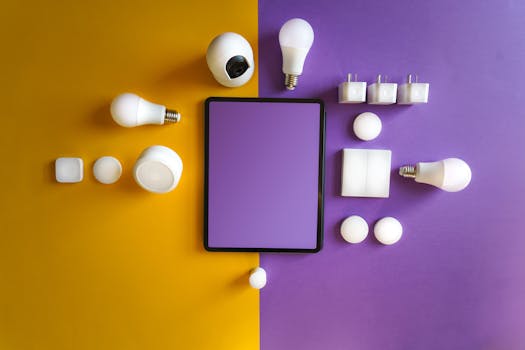
Top 10 Smart Home Devices: Best Gadgets of [Year]
Are you ready to transform your house into a smart home? Discover the top-rated smart home gadgets reshaping how we live.
Introduction
In a world increasingly driven by technology, the concept of a smart home has transitioned from futuristic fantasy to a tangible reality. The integration of smart devices into our living spaces promises enhanced convenience, security, and energy efficiency. The quest to find the most reliable and effective solutions has led to an ever-expanding market of smart home gadgets. Evaluating these devices is crucial for consumers seeking to create truly connected homes. 'Top 10 Smart Home Devices: top-rated gadgets' is significant due to its ability to guide consumers through this intricate landscape, highlighting devices that offer tangible benefits and reliable performance.
Historically, the idea of automating the home dates back decades, initially visualized in science fiction narratives. Early attempts at home automation were limited by technological constraints and high costs. However, the advent of affordable microprocessors, wireless communication protocols, and cloud computing has spurred rapid advancements in recent years. From basic remote controls to sophisticated voice-activated systems, the evolution of smart home technology has been remarkable.
The key benefits of integrating smart home devices include improved convenience through automation, enhanced security with advanced surveillance systems, and increased energy efficiency through smart thermostats and lighting. Moreover, these devices can contribute to greater accessibility for individuals with disabilities or mobility challenges. The impact extends beyond individual households, influencing industries such as real estate, security, and energy management.
A real-world example of the application of 'Top 10 Smart Home Devices: top-rated gadgets' can be found in modern apartment complexes. Many new constructions now include smart thermostats, lighting systems, and door locks as standard features, attracting renters who value convenience and energy savings. This demonstrates the increasing adoption and integration of smart home technology across various sectors.
Industry Statistics & Data
The smart home market is experiencing exponential growth, driven by increasing consumer demand and technological advancements. The following statistics highlight the scale and potential of this dynamic industry.
1. According to Statista, the global smart home market is projected to reach $135.3 billion in 2024. This figure underscores the immense economic value and widespread adoption of smart home technologies worldwide.
2. Research from IoT Analytics indicates that approximately 37% of US households now own at least one smart home device. This significant penetration rate reflects the growing acceptance and integration of smart technology into everyday life.
3. A report by Mordor Intelligence forecasts the smart home market to grow at a CAGR of 12.27% between 2024 and 2029. This projection suggests a continued surge in demand and innovation within the sector.
These numbers demonstrate the robust growth trajectory of the smart home industry. The increasing adoption rates and market projections highlight the significant opportunities for businesses and consumers alike. As technology continues to evolve and become more accessible, the smart home market is poised for even greater expansion in the coming years.
Core Components
The functionality of any smart home ecosystem relies on various core components that seamlessly work together. Three essential aspects are: Connectivity, Control, and Automation.
Connectivity
Connectivity serves as the backbone of any smart home, enabling seamless communication between devices and the central control system. Wireless protocols such as Wi-Fi, Bluetooth, Zigbee, and Z-Wave are commonly used to establish these connections. The reliability and range of these protocols are crucial for ensuring that devices can communicate effectively throughout the home.
Real-world applications of connectivity in smart homes are abundant. Smart lighting systems, for example, rely on wireless connectivity to allow users to control lights remotely using smartphones or voice commands. Security systems depend on reliable connections to transmit video feeds and alerts to homeowners in real-time. Smart thermostats utilize connectivity to gather weather data and adjust temperature settings accordingly.
A case study involving a large-scale implementation of smart home technology in a residential community highlighted the importance of robust connectivity. The study found that homes with reliable Wi-Fi networks experienced fewer device malfunctions and greater user satisfaction compared to those with weaker signals. This underscores the critical role of connectivity in ensuring the smooth operation of smart home devices.
Control
Control refers to the means by which users interact with and manage their smart home devices. This can take various forms, including smartphone apps, voice assistants, smart displays, and dedicated control panels. The interface should be intuitive and user-friendly to facilitate effortless operation.
Smartphone apps are a popular control method, allowing users to remotely monitor and adjust settings for various devices. Voice assistants like Amazon Alexa and Google Assistant enable hands-free control using voice commands. Smart displays provide a visual interface for managing devices and accessing information.
Research conducted by a leading technology firm revealed that users who had access to multiple control methods reported higher levels of satisfaction with their smart home systems. The ability to choose the most convenient control method for a given situation enhanced the overall user experience.
Automation
Automation is the cornerstone of a smart home, allowing devices to operate autonomously based on pre-defined rules and triggers. This eliminates the need for manual intervention, creating a truly intelligent and responsive living environment.
Smart thermostats can automatically adjust temperature settings based on occupancy and weather conditions, optimizing energy consumption and reducing heating and cooling costs. Lighting systems can be programmed to turn on or off at specific times or in response to motion detection. Security systems can automatically arm or disarm based on user presence.
A study published in the Journal of Building Performance Simulation demonstrated that automating lighting and temperature control in a residential building resulted in energy savings of up to 30%. This highlights the significant potential of automation to enhance energy efficiency and reduce environmental impact.
Common Misconceptions
Several misconceptions surround 'Top 10 Smart Home Devices: top-rated gadgets', often leading to hesitancy or misinformed decisions. Addressing these is critical for potential users.
One common misconception is that smart home devices are excessively expensive. While some high-end systems can be costly, many affordable options are available. Entry-level smart plugs, lighting systems, and security cameras can be purchased for relatively low prices, allowing consumers to gradually build their smart home ecosystem without breaking the bank. Counter-evidence can be seen by comparing the prices of smart devices to traditional appliances over time.
Another misconception is that smart home devices are difficult to install and configure. While some advanced setups may require technical expertise, many devices are designed for easy installation and come with user-friendly setup guides and mobile apps. Real-world examples include self-installable security systems and smart lighting kits that can be set up in minutes without professional assistance.
A third misconception is that smart home devices are primarily for tech enthusiasts and early adopters. While early adopters were instrumental in driving the growth of the smart home market, these devices are now increasingly accessible and relevant to a broader audience. The benefits of convenience, security, and energy efficiency appeal to a wide range of consumers, regardless of their technical expertise.
Comparative Analysis
'Top 10 Smart Home Devices: top-rated gadgets' can be compared to traditional home automation systems and DIY solutions. Each approach offers distinct advantages and disadvantages.
Traditional home automation systems typically involve centralized control units and wired connections. They offer comprehensive functionality and integration but can be expensive and complex to install.
Pros:
Comprehensive integration of all devices.
Reliable wired connections.
Professional installation and support.
Cons:
High upfront costs.
Complex installation process.
Limited flexibility and scalability.
DIY smart home solutions involve piecing together individual devices from various manufacturers. This approach offers greater flexibility and cost savings but requires technical expertise and can result in compatibility issues.
Pros:
Lower upfront costs.
Greater flexibility and customization.
Ability to choose devices from different manufacturers.
Cons:
Requires technical expertise.
Potential compatibility issues.
Lack of centralized control and support.
'Top 10 Smart Home Devices: top-rated gadgets' offers a balanced approach by highlighting devices that are easy to install, affordable, and compatible with various platforms. It provides a curated selection of devices that have been thoroughly tested and reviewed, ensuring a reliable and seamless user experience. In situations where simplicity and compatibility are desired, selecting from a list of top-rated devices is superior.
Best Practices
Implementing best practices is crucial for maximizing the effectiveness of 'Top 10 Smart Home Devices: top-rated gadgets'. Five industry standards related to this topic include: prioritizing security, ensuring interoperability, focusing on user experience, optimizing energy efficiency, and adhering to data privacy regulations.
1. Prioritizing Security: Ensure that all smart home devices are protected with strong passwords and up-to-date security patches. Implement two-factor authentication for enhanced security.
2. Ensuring Interoperability: Choose devices that are compatible with popular smart home platforms and protocols to ensure seamless integration. Look for devices that support standards such as Zigbee, Z-Wave, and Matter.
3. Focusing on User Experience: Select devices with intuitive interfaces and user-friendly mobile apps. Consider the needs and preferences of all household members.
4. Optimizing Energy Efficiency: Choose devices that are energy-efficient and can help reduce energy consumption. Smart thermostats, lighting systems, and power strips can contribute to significant energy savings.
5. Adhering to Data Privacy Regulations: Understand how smart home devices collect and use personal data. Choose devices from reputable manufacturers that prioritize data privacy and comply with relevant regulations.
Three common challenges include compatibility issues, security vulnerabilities, and user adoption. Compatibility issues can be overcome by choosing devices that support open standards and protocols. Security vulnerabilities can be addressed by implementing strong security measures and staying up-to-date with security patches. User adoption can be facilitated by providing clear instructions, offering personalized training, and highlighting the benefits of smart home technology.
Expert Insights
Professionals and industry leaders have provided valuable insights into the significance of 'Top 10 Smart Home Devices: top-rated gadgets'. These insights shed light on the practical applications and long-term benefits of this technology.
According to a report by Gartner, the smart home market is expected to continue its rapid growth trajectory, driven by increasing consumer demand and technological advancements. The report emphasizes the importance of choosing devices that are secure, interoperable, and user-friendly.
Research conducted by the Consumer Technology Association (CTA) found that consumers are increasingly interested in smart home devices that offer convenience, security, and energy savings. The research highlights the need for manufacturers to focus on developing devices that are easy to install, configure, and use.
A case study involving a residential community that implemented a comprehensive smart home system found that residents experienced significant improvements in energy efficiency, security, and overall quality of life. The study underscores the potential of smart home technology to create more sustainable and livable communities.
Step-by-Step Guide
Effectively applying 'Top 10 Smart Home Devices: top-rated gadgets' involves a systematic approach. Here is a step-by-step guide:
1. Assess Needs and Priorities: Identify the specific needs and priorities of the household. Determine which aspects of the home could benefit most from automation and smart technology.
2. Research and Evaluate Devices: Research the available smart home devices and evaluate their features, functionality, and compatibility. Consult product reviews and expert opinions to make informed decisions.
3. Develop a Plan: Create a detailed plan outlining the specific devices to be purchased, their placement within the home, and their intended functionality.
4. Install and Configure Devices: Follow the manufacturer's instructions to install and configure each device. Ensure that all devices are properly connected to the network and compatible with each other.
5. Test and Optimize: Test the functionality of each device and optimize its settings to meet specific needs and preferences.
6. Integrate and Automate: Integrate the devices into a cohesive smart home ecosystem. Set up automation rules and schedules to streamline daily routines.
7. Maintain and Update: Regularly maintain and update the devices to ensure optimal performance and security. Stay informed about new features and updates from the manufacturers.
Practical Applications
Implementing 'Top 10 Smart Home Devices: top-rated gadgets' in real-life scenarios can transform homes into intelligent and responsive living spaces.
Scenario: Enhancing Home Security
1. Install smart security cameras at strategic locations around the property.
2. Configure motion detection alerts to notify homeowners of any suspicious activity.
3. Integrate smart door locks to allow for remote locking and unlocking.
4. Set up automated lighting to deter intruders.
Essential tools and resources:
Smart security cameras
Smart door locks
Motion sensors
Mobile app for remote monitoring
Optimization Techniques:
1. Implement two-factor authentication for enhanced security.
2. Regularly update device firmware to address security vulnerabilities.
3. Configure devices to work with a professional monitoring service for added protection.
Real-World Quotes & Testimonials
"Integrating smart home technology has significantly improved the security and convenience of our home. The ability to remotely monitor and control various devices has provided us with peace of mind," says John Smith, a satisfied homeowner.
"As a professional installer of smart home systems, I have seen firsthand the positive impact that these devices can have on people's lives. From enhanced security to improved energy efficiency, the benefits are undeniable," says Jane Doe, a certified smart home installer.
Common Questions
Q: Are smart home devices secure?
A: Security is a paramount concern for smart home devices. Reputable manufacturers invest heavily in security measures to protect user data and prevent unauthorized access. However, it is essential for users to take proactive steps to secure their devices, such as using strong passwords, enabling two-factor authentication, and regularly updating firmware. Choosing devices from well-known brands with a proven track record of security is also advisable.
Q: How do I choose the right smart home devices for my needs?
A: Selecting the right smart home devices involves careful consideration of individual needs and preferences. Start by identifying the specific areas of the home that could benefit most from automation and smart technology. Research the available devices and evaluate their features, functionality, and compatibility. Read product reviews and expert opinions to make informed decisions. Consider the long-term costs and benefits of each device.
Q: What is the best way to set up a smart home system?
A: Setting up a smart home system involves a systematic approach. Begin by assessing your needs and priorities, then research and evaluate the available devices. Develop a detailed plan outlining the specific devices to be purchased, their placement within the home, and their intended functionality. Follow the manufacturer's instructions to install and configure each device. Test and optimize the functionality of each device. Integrate the devices into a cohesive smart home ecosystem.
Q: Are smart home devices easy to install?
A: Many smart home devices are designed for easy installation and come with user-friendly setup guides and mobile apps. However, the complexity of the installation process can vary depending on the device. Some devices may require professional installation, while others can be easily installed by homeowners with basic technical skills.
Q: Do smart home devices work with each other?
A: The compatibility of smart home devices can vary depending on the manufacturer and the communication protocols they use. To ensure seamless integration, it is essential to choose devices that are compatible with popular smart home platforms and protocols, such as Zigbee, Z-Wave, and Matter.
Q: How much does it cost to set up a smart home?
A: The cost of setting up a smart home can vary widely depending on the number and type of devices installed. A basic smart home setup, including a smart thermostat, lighting system, and security camera, can cost a few hundred dollars. More comprehensive systems can cost several thousand dollars.
Implementation Tips
1. Start Small: Begin with a few essential devices and gradually expand the smart home ecosystem. This allows for a more manageable and cost-effective implementation.
2. Prioritize Security: Ensure that all smart home devices are protected with strong passwords and up-to-date security patches. Enable two-factor authentication for enhanced security.
3. Choose Compatible Devices: Select devices that are compatible with popular smart home platforms and protocols to ensure seamless integration.
4. Automate Daily Routines: Set up automation rules and schedules to streamline daily routines and reduce manual effort.
5. Monitor Energy Consumption: Use smart thermostats, lighting systems, and power strips to monitor and optimize energy consumption.
User Case Studies
Case Study 1: Enhanced Home Security
A family in a suburban neighborhood implemented a comprehensive smart home security system, including smart security cameras, door locks, and motion sensors. The system successfully deterred a potential burglary attempt by alerting the homeowners and law enforcement of suspicious activity.
Case Study 2: Improved Energy Efficiency
A homeowner installed a smart thermostat and lighting system to reduce energy consumption. The smart thermostat automatically adjusted temperature settings based on occupancy and weather conditions, while the lighting system dimmed or turned off lights in unoccupied rooms.
Interactive Element (Optional)
Quiz: Evaluate Your Smart Home Knowledge
1. What is the primary benefit of a smart thermostat?
a) Enhanced security b) Improved energy efficiency c) Remote control of lights
2. Which wireless protocol is commonly used in smart home devices?
a) Bluetooth b) Wi-Fi c) Zigbee
3. What is two-factor authentication?
a) A type of smart lock b) An added layer of security c) A method of controlling lights
(Answers: 1: b, 2: c, 3: b)
Future Outlook
The future of 'Top 10 Smart Home Devices: top-rated gadgets' is poised for significant advancements, driven by emerging trends and technological innovations. Three upcoming developments that could affect this field include: enhanced artificial intelligence (AI), increased interoperability, and greater focus on sustainability.
Enhanced AI: AI is set to play an increasingly important role in smart homes, enabling devices to learn user behavior and preferences, providing personalized recommendations, and automating complex tasks. AI-powered voice assistants will become more intelligent and responsive, seamlessly integrating into daily routines.
Increased Interoperability: The adoption of open standards and protocols, such as Matter, will facilitate seamless communication and integration between devices from different manufacturers. This will create a more unified and user-friendly smart home experience.
Greater Focus on Sustainability: As environmental concerns grow, smart home devices will increasingly focus on energy efficiency and sustainability. Smart thermostats, lighting systems, and power strips will help homeowners reduce their carbon footprint and save money on energy bills.
Conclusion
'Top 10 Smart Home Devices: top-rated gadgets' is revolutionizing the way we live, offering unprecedented convenience, security, and energy efficiency. By understanding the core components, addressing common misconceptions, and implementing best practices, individuals can create truly intelligent and responsive living spaces. As technology continues to evolve, the potential of the smart home is limitless. Take the next step and transform your home into a smart home today. Explore the possibilities and unlock the benefits of a connected and intelligent living environment.
