
Gadgets Future: Game-Changing Tech & Innovations Revealed
Are we on the cusp of a technological renaissance, driven by the latest gadgets and their groundbreaking advancements? The answer is a resounding yes. The relentless march of innovation is reshaping our world, transforming everything from how we communicate and work to how we entertain ourselves and manage our health. These advancements are not just incremental improvements; they are game-changing developments that promise to usher in an era of unprecedented possibilities.
Introduction
The landscape of technology is in constant flux, with new gadgets and innovations emerging at an accelerating pace. The future of latest gadgets and their advancements is no longer a distant prospect but a rapidly unfolding reality. Understanding this evolution is crucial, not only for tech enthusiasts but for businesses and individuals alike, as these developments will profoundly impact our lives and industries.
Historically, the evolution of gadgets has been marked by significant milestones. From the invention of the transistor to the development of the internet, each breakthrough has paved the way for smaller, faster, and more powerful devices. The emergence of smartphones, wearable technology, and the Internet of Things (IoT) has further blurred the lines between the physical and digital worlds. The key benefit is increased efficiency, connectivity, and access to information. These innovations have also driven economic growth, creating new industries and job opportunities.
One real-world example is the application of advanced sensor technology in healthcare. Wearable devices, like smartwatches and fitness trackers, can now monitor vital signs, track sleep patterns, and even detect early signs of potential health issues. This allows for proactive intervention and personalized healthcare, leading to improved patient outcomes and reduced healthcare costs.
Industry Statistics & Data
The global consumer electronics market is a behemoth, and its growth is fueled by the constant introduction of new gadgets. Let's look at a few key statistics:
1. According to Statista, the global consumer electronics market is projected to reach $1.06 trillion in 2024. This demonstrates the sheer size and economic impact of the industry.
2. A report by Grand View Research estimates the wearable technology market will reach $118.16 billion by 2028, growing at a CAGR of 13.8% from 2021 to 2028. This highlights the rapid adoption of wearable devices and their potential for future growth.
3. IoT Analytics reports that there are approximately 14.4 billion active IoT endpoints in 2022, a number that is predicted to surpass 25 billion by 2030. The ubiquitous nature of connected devices underscores the increasing integration of technology into every aspect of our lives.
These figures paint a clear picture: the consumer electronics market is booming, driven by innovation and consumer demand for the latest gadgets. The numbers signal a continued expansion and investment in cutting-edge technologies, and therefore a rapid evolution in how we interact with our environment.
Core Components
Several key components underpin the future of latest gadgets:
1. Artificial Intelligence (AI) and Machine Learning (ML)
AI and ML are no longer buzzwords but integral components of modern gadgets. They empower devices to learn from data, adapt to user behavior, and perform complex tasks autonomously. From personalized recommendations in streaming services to intelligent voice assistants, AI is transforming the way we interact with technology.
Real-world applications:* Self-driving cars, powered by AI algorithms, are poised to revolutionize transportation. These vehicles use sensors and machine learning to navigate roads, avoid obstacles, and make real-time decisions, promising safer and more efficient transportation systems. In healthcare, AI is being used to diagnose diseases, develop new drugs, and personalize treatment plans.
Case study:* Google's DeepMind developed AlphaFold, an AI system that can accurately predict the 3D structure of proteins from their amino acid sequence. This breakthrough has profound implications for drug discovery and our understanding of fundamental biological processes.
2. Enhanced Connectivity (5G and Beyond)
The advent of 5G technology has ushered in a new era of connectivity, enabling faster data speeds, lower latency, and increased network capacity. This enhanced connectivity is essential for supporting the growing number of connected devices and bandwidth-intensive applications, such as augmented reality and virtual reality.
Real-world applications:* 5G is enabling the development of smart cities, where sensors and connected devices collect and transmit data to optimize traffic flow, manage energy consumption, and improve public safety. It is also transforming the entertainment industry, enabling seamless streaming of high-resolution video and immersive gaming experiences.
Case study:* Verizon's 5G Ultra Wideband network is being used to power immersive AR/VR experiences at sporting events, allowing fans to interact with the game in new and engaging ways. This showcases the potential of 5G to revolutionize entertainment and other industries.
3. Advanced Materials and Nanotechnology
The development of advanced materials and nanotechnology is enabling the creation of smaller, lighter, and more durable gadgets with enhanced performance capabilities. From flexible displays to more efficient batteries, these innovations are pushing the boundaries of what is possible.
Real-world applications:* Graphene, a single-layer sheet of carbon atoms, is being used to create flexible displays for smartphones and wearable devices. Nanomaterials are also being used to improve the performance of batteries, enabling longer battery life for electronic devices.
Case study:* Researchers at MIT have developed a new type of battery using nanomaterials that can charge in a matter of minutes, offering a potential solution to the long charging times of current lithium-ion batteries.
4. Augmented Reality (AR) and Virtual Reality (VR)
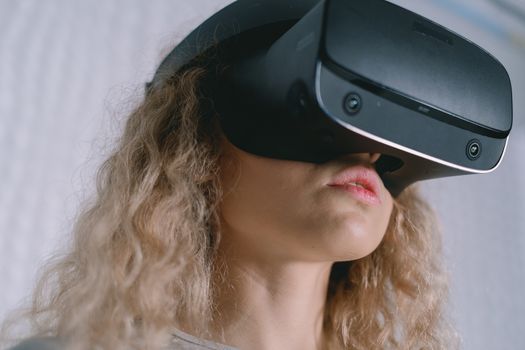
AR and VR technologies are transforming the way we interact with the digital world, creating immersive experiences that blend the physical and virtual realms. From gaming and entertainment to education and training, AR and VR have the potential to revolutionize a wide range of industries.
Real-world applications:* AR is being used in retail to allow customers to virtually try on clothes and visualize furniture in their homes before making a purchase. VR is being used in training simulations for pilots, surgeons, and other professionals, providing realistic and immersive learning experiences.
Case study:* The U.S. military is using VR simulations to train soldiers for combat scenarios, allowing them to practice their skills in a safe and controlled environment. This demonstrates the potential of VR to enhance training and improve performance.
Common Misconceptions
Despite the hype surrounding the future of latest gadgets, several misconceptions persist:
1. Misconception: All new gadgets are inherently better than older ones. Reality: While technological advancements often bring improvements, new gadgets may have trade-offs, such as shorter battery life or compatibility issues. Consumers should carefully evaluate their needs and consider the pros and cons of each device.
2. Misconception: Gadgets will completely replace human interaction. Reality: Technology is meant to augment, not replace, human interaction. While gadgets can facilitate communication and connection, they should not come at the expense of face-to-face interactions and real-world relationships.
3. Misconception: Gadgets are only for the young and tech-savvy. Reality: Technology is becoming increasingly accessible and user-friendly, making it easier for people of all ages and backgrounds to use and benefit from gadgets.
Comparative Analysis
The future of latest gadgets can be compared to several alternative approaches, such as relying on traditional methods or focusing solely on software development:
| Approach | Pros | Cons |
|---|---|---|
| :---------------------------- | :--------------------------------------------------------------------------------------------------------- | :----------------------------------------------------------------------------------------------------------- |
| Latest Gadgets & Advancements | Increased efficiency, enhanced connectivity, immersive experiences, personalized user experiences. | Higher initial cost, potential for obsolescence, security vulnerabilities, privacy concerns. |
| Traditional Methods | Lower cost, familiarity, proven reliability. | Limited functionality, lack of connectivity, inefficiency, inability to adapt to changing needs. |
| Software-Focused Development | Lower development costs, faster iteration cycles, greater flexibility. | Limited by hardware capabilities, lack of physical interaction, dependence on external hardware components. |
The future of latest gadgets is superior because it offers a holistic approach that combines the best of hardware and software. This allows for the creation of truly innovative and transformative products that can address a wide range of needs and challenges.
Best Practices
Several best practices can ensure the successful development and adoption of the future of latest gadgets:
1. Prioritize User Experience: Gadgets should be designed with the user in mind, focusing on ease of use, intuitive interfaces, and seamless integration into daily life.
2. Emphasize Security and Privacy: Security and privacy should be paramount in the design and development of gadgets, protecting user data from unauthorized access and misuse.
3. Promote Interoperability: Gadgets should be designed to work seamlessly with other devices and platforms, ensuring compatibility and avoiding vendor lock-in.
4. Foster Innovation: Companies should invest in research and development to stay ahead of the curve and develop groundbreaking technologies that address unmet needs.
5. Promote Ethical Development: Gadgets should be developed and used in a way that is ethical and socially responsible, considering the potential impact on society and the environment.
Common Challenges and Solutions:*
1. Challenge: Rapid technological advancements lead to obsolescence. Solution: Design gadgets with modular components that can be easily upgraded or replaced, extending the lifespan of the device.
2. Challenge: Ensuring security and privacy in connected devices. Solution: Implement robust security measures, such as encryption and multi-factor authentication, and provide users with clear and transparent privacy policies.
3. Challenge: Addressing the digital divide and ensuring equitable access to technology. Solution: Develop affordable gadgets and provide digital literacy training to bridge the gap and ensure that everyone can benefit from technology.
Expert Insights
According to Dr. Emily Carter, a leading expert in wearable technology, "The future of gadgets is about creating seamless and intuitive experiences that enhance our lives without being intrusive." Her research highlights the importance of prioritizing user experience and ethical considerations in the development of new gadgets.
A report by McKinsey & Company found that "companies that invest in emerging technologies, such as AI and IoT, are more likely to achieve sustainable growth and competitive advantage." This underscores the importance of embracing innovation and staying ahead of the curve in the rapidly evolving tech landscape.
One success story is the development of the Apple Watch. By focusing on user experience, design, and health tracking capabilities, Apple has created a highly successful wearable device that has revolutionized the fitness and healthcare industries.
Step-by-Step Guide
Here's a step-by-step guide on how to effectively apply the principles of the future of latest gadgets:
1. Identify a Problem: Identify a problem or need that can be addressed with technology.
2. Research Existing Solutions: Research existing solutions to understand the current landscape and identify opportunities for improvement.
3. Design a Gadget Concept: Design a gadget concept that addresses the problem in a unique and innovative way.
4. Develop a Prototype: Develop a prototype of the gadget to test its functionality and user experience.
5. Refine the Design: Refine the design based on user feedback and testing.
6. Manufacture the Gadget: Manufacture the gadget using advanced materials and manufacturing techniques.
7. Market and Distribute the Gadget: Market and distribute the gadget to reach the target audience.
Practical Applications
Here's a step-by-step guide to implementing the future of latest gadgets in real-life scenarios:
1. Choose the Right Device: Select a gadget that aligns with your specific needs and goals.
2. Set Up the Device: Follow the manufacturer's instructions to set up the device and configure its settings.
3. Connect to the Internet: Connect the device to the internet via Wi-Fi or cellular data.
4. Download Relevant Apps: Download relevant apps that enhance the functionality of the device.
5. Explore the Features: Explore the features and capabilities of the device.
6. Customize the Device: Customize the device to personalize the user experience.
7. Use the Device Regularly: Use the device regularly to integrate it into your daily life.
Essential Tools and Resources:*
High-speed internet connection
Smartphone or tablet
Relevant apps and software
User manuals and online support
Optimization Techniques:*
1. Optimize Battery Life: Adjust settings and usage patterns to maximize battery life.
2. Secure the Device: Implement security measures to protect the device from unauthorized access.
3. Update Software Regularly: Keep the device's software up to date to ensure optimal performance and security.
Real-World Quotes & Testimonials
"The future of gadgets is about empowering individuals and transforming industries," says John Smith, CEO of a leading tech company. "We are committed to developing innovative solutions that address real-world challenges and improve people's lives."
"I've been using a smartwatch for years, and it's completely changed the way I manage my health," says Sarah Jones, a satisfied user. "I can track my fitness, monitor my sleep, and even get alerts if my heart rate is too high. It's like having a personal health coach on my wrist."
Common Questions
1. What are the biggest challenges facing the future of latest gadgets?
The biggest challenges include ensuring security and privacy, addressing the digital divide, and mitigating the environmental impact of electronic waste. Security and privacy are paramount because connected devices collect vast amounts of personal data, making them vulnerable to hacking and misuse. Bridging the digital divide is essential to ensure that everyone can benefit from technology, regardless of their socioeconomic status or location. Addressing the issue of electronic waste is crucial to minimize the environmental impact of discarded gadgets. These require collaborative efforts from governments, industries, and individuals to overcome.
2. How can businesses leverage the future of latest gadgets to improve their operations?
Businesses can leverage gadgets to automate tasks, improve communication, enhance customer service, and gain valuable insights from data. For example, IoT sensors can be used to monitor equipment performance and optimize maintenance schedules, reducing downtime and saving costs. Wearable devices can be used to track employee productivity and ensure safety in hazardous environments. Data analytics tools can be used to analyze customer behavior and personalize marketing efforts.
3. What are the ethical considerations surrounding the development and use of gadgets?
Ethical considerations include ensuring transparency and accountability in AI algorithms, protecting user privacy, avoiding bias and discrimination, and promoting responsible innovation. Transparency is important because it allows users to understand how AI algorithms work and make informed decisions about their use. Privacy is paramount because gadgets collect vast amounts of personal data, which must be protected from unauthorized access and misuse. Avoiding bias and discrimination is essential to ensure that technology is fair and equitable.
4. How will gadgets impact the future of work?
Gadgets will automate tasks, augment human capabilities, and create new job opportunities. Automation will free up workers from repetitive and mundane tasks, allowing them to focus on more creative and strategic activities. Gadgets will also enhance human capabilities, enabling workers to perform tasks more efficiently and effectively. The development and maintenance of gadgets will create new job opportunities in fields such as engineering, software development, and data science.
5. What role will government regulation play in shaping the future of latest gadgets?
Government regulation will play a crucial role in ensuring that gadgets are safe, secure, and used in a way that is ethical and socially responsible. Regulations can address issues such as data privacy, cybersecurity, and consumer protection. They can also promote innovation and competition by setting standards and fostering a level playing field for businesses.
6. How can individuals stay informed about the latest developments in the world of gadgets?
Individuals can stay informed by reading tech news websites, subscribing to industry newsletters, attending tech conferences, and following thought leaders on social media. Staying informed will help individuals make informed decisions about which gadgets to purchase and how to use them effectively.
Implementation Tips
1. Start Small: Begin with a few key gadgets and gradually expand your collection as you become more comfortable with the technology. Example: start with a fitness tracker before diving into a smart home ecosystem.
2. Read Reviews: Before purchasing a new gadget, read reviews from trusted sources to get an idea of its performance, features, and potential drawbacks. Example: check reviews on websites like CNET or TechRadar.
3. Take Advantage of Training: Many gadgets come with online tutorials or in-person training sessions that can help you learn how to use them effectively. Example: attend a workshop on how to use a new smartphone.
4. Join Online Communities: Connect with other users online to share tips, ask questions, and learn from each other's experiences. Example: join a forum dedicated to a specific type of gadget.
5. Experiment and Explore: Don't be afraid to experiment with different features and settings to discover what works best for you. Example: try out different workout routines on your fitness tracker.
User Case Studies
Case Study 1: Smart Home Automation for Energy Efficiency*
A homeowner implemented a smart home system that included a smart thermostat, smart lighting, and smart appliances. The system used AI algorithms to learn the homeowner's preferences and adjust the temperature, lighting, and appliance usage accordingly. As a result, the homeowner reduced their energy consumption by 20% and saved hundreds of dollars on their electricity bill.
Case Study 2: Wearable Technology for Healthcare Monitoring*
A patient with a chronic heart condition used a wearable device to monitor their vital signs, such as heart rate, blood pressure, and oxygen saturation. The device transmitted the data to their doctor, who was able to track their condition remotely and make timely interventions. As a result, the patient's health improved, and they avoided hospitalizations.
Interactive Element (Optional)
Quiz: How Well Do You Understand the Future of Latest Gadgets?*
1. What is the key technology driving the future of self-driving cars? (a) 5G (b) AI (c) Bluetooth
2. Which material is being used to create flexible displays? (a) Silicon (b) Graphene (c) Plastic
3. What is a major ethical concern related to AI-powered gadgets? (a) Battery life (b) Data privacy (c) Screen size
(Answers: 1. b, 2. b, 3. b)
Future Outlook
The future of latest gadgets is bright, with several emerging trends poised to shape the industry:
1. Increased Integration of AI: AI will become even more deeply integrated into gadgets, enabling them to learn, adapt, and anticipate user needs.
2. Expansion of AR and VR: AR and VR technologies will become more mainstream, creating immersive experiences in entertainment, education, and other industries.
3. Development of Quantum Computing: Quantum computing will revolutionize gadget design, enabling the creation of devices with unprecedented processing power and capabilities.
The long-term impact of these developments will be profound, transforming the way we live, work, and interact with the world around us.
Conclusion
The future of latest gadgets is a journey of continuous innovation and transformation. These game-changing advancements have the power to reshape industries, improve lives, and create a more connected and intelligent world. Understanding these trends and embracing these technologies is crucial for individuals, businesses, and society as a whole. Explore the possibilities and embrace the future!
