
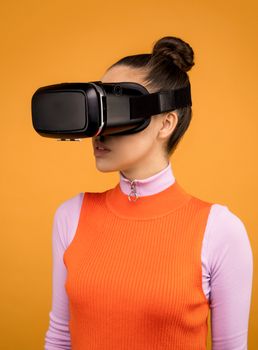
VR Gaming Trends: Surprising Facts & Latest Innovations
Are you ready to dive into the electrifying world of virtual reality gaming? The realm of VR is no longer a futuristic fantasy, but a rapidly evolving reality, reshaping how we play, interact, and experience digital entertainment. Understanding the latest trends and innovations is crucial for gamers, developers, and anyone interested in the future of technology.
Introduction
The question isn't if VR will impact gaming, but how profoundly it will transform it. The evolution of VR gaming, fueled by technological advancements and growing consumer demand, has moved from clunky prototypes to immersive experiences that blur the lines between the real and virtual worlds. Its importance stems from the capacity to provide unparalleled levels of engagement and immersion.
Historically, VR gaming's roots can be traced back to the 1960s with inventions like Sensorama and the Sword of Damocles. However, these early iterations were limited by technology and cost. The 1990s saw another surge of interest with consumer-grade VR headsets, but limitations persisted. It wasn't until the 2010s, with advancements in processing power, display technology, and motion tracking, that VR gaming began to truly take off.
The benefits of VR gaming extend beyond mere entertainment. It can enhance cognitive skills, improve reaction times, and provide therapeutic applications for conditions like anxiety and PTSD. The impact on the gaming industry is undeniable, driving innovation in game design, hardware development, and esports. For example, Beat Saber, a VR rhythm game, has not only become a global phenomenon but has also demonstrated the potential for VR to create entirely new genres of gameplay.
Industry Statistics & Data
The VR gaming market is experiencing exponential growth. Let's look at some key statistics:
1. According to a report by Statista, the global VR gaming market is projected to reach $92.31 billion by 2027, growing at a CAGR of 30.2% from 2020 to 2027 (Source: Statista). This showcases the immense growth potential and investor confidence in the VR gaming sector.
2. SuperData Research reported that VR gaming revenue reached $2 billion in 2020, a significant increase from previous years (Source: SuperData Research). This growth was driven by the release of new VR headsets and compelling VR game titles.
3. A survey conducted by Greenlight Insights revealed that 67% of VR users are interested in gaming applications, making it the most popular use case for VR technology (Source: Greenlight Insights). This highlights the strong demand for VR gaming experiences.
These numbers indicate a robust and rapidly expanding market. The increasing accessibility of VR hardware, coupled with the development of innovative and engaging VR games, is driving significant revenue growth and attracting a growing user base. The future of VR gaming appears bright, with continued investment and innovation expected to fuel further expansion.
Core Components
VR gaming relies on several core components working in harmony to create an immersive experience. Three crucial aspects include:
Head-Mounted Displays (HMDs)
Head-mounted displays, or HMDs, are the cornerstone of VR gaming. These devices provide the visual and auditory stimuli that immerse the player in the virtual world. Modern HMDs feature high-resolution displays, wide fields of view, and low latency to minimize motion sickness and enhance realism. Key technological advancements include OLED and LCD panels, which deliver vibrant colors and sharp images. Some HMDs also incorporate eye-tracking technology for more natural interactions and foveated rendering, which improves performance by only rendering the area the user is looking at in high detail.
Real-world application:* The Oculus Quest 2 is a popular standalone HMD that offers a wireless VR experience. Its ease of use and affordability have made it a gateway for many users to enter the world of VR gaming.
Case Study:* Research conducted by Stanford University's Virtual Human Interaction Lab has shown that HMDs can effectively simulate real-world experiences, leading to improved learning and training outcomes. They achieved this using a simulation, where people had to perform a range of task in order to pass the simulation. This is often used to train employees.
Motion Tracking and Input
Accurate motion tracking is essential for replicating a player's movements in the virtual environment. This allows for natural interactions and prevents disorientation. Current VR systems employ a variety of tracking technologies, including inside-out tracking (using cameras on the headset to track the environment), outside-in tracking (using external sensors to track the headset and controllers), and inertial measurement units (IMUs) for rotational tracking. Input devices, such as handheld controllers, haptic gloves, and even full-body tracking suits, allow players to interact with the virtual world and control their actions.
Real-world application:* Valve's Index VR system utilizes "knuckle" controllers that track individual finger movements, enabling more intuitive and nuanced interactions in VR games.
Research example: A study published in the journal Presence: Teleoperators and Virtual Environments* found that precise motion tracking significantly enhances the sense of presence and immersion in VR environments, leading to more engaging and enjoyable gaming experiences.
Software and Game Design
The software powering VR games is just as important as the hardware. VR game design requires a different approach than traditional game development. Developers must consider factors such as motion sickness, user comfort, and intuitive navigation within the 3D environment. Game engines like Unity and Unreal Engine provide tools and frameworks specifically designed for VR development, allowing developers to create immersive and interactive experiences.
Real-world application: Half-Life: Alyx*, developed by Valve, is a critically acclaimed VR game that showcases the potential of VR gaming. Its innovative gameplay mechanics, compelling story, and immersive environments have set a new standard for VR game design.
Case study: Boneworks*, is praised by most players for pushing the boundaries of how much freedom they give the player, along with their unique physics system that allows players to interact with just about anything.
Common Misconceptions
Despite its growing popularity, several misconceptions surround VR gaming:
1. Misconception: VR gaming is expensive and inaccessible.
Reality:* While high-end VR systems can be costly, there are affordable options like the Oculus Quest 2, which offers a compelling wireless VR experience at a relatively low price point. The entry barrier has significantly decreased over the years, making VR gaming more accessible to a wider audience.
2. Misconception: VR gaming causes motion sickness for everyone.
Reality:* While some individuals are susceptible to motion sickness in VR, developers have implemented various techniques to mitigate this issue, such as reducing artificial locomotion, providing visual cues, and optimizing frame rates. Many users can enjoy VR gaming without experiencing any discomfort.
3. Misconception: VR gaming is a niche market with limited content.
Reality: The VR gaming market is expanding rapidly, with a growing library of games across various genres. From action and adventure to puzzle and simulation games, there's something for everyone. Furthermore, the release of high-profile VR titles like Half-Life: Alyx* has demonstrated the potential for VR gaming to deliver AAA experiences.
Comparative Analysis
While other gaming technologies exist, VR gaming offers a unique level of immersion and interactivity. Let's compare it to traditional PC/console gaming and augmented reality (AR) gaming:
Traditional PC/Console Gaming:*
Pros: Wide range of games, established ecosystem, lower hardware costs.
Cons: Limited immersion, passive experience, lack of physical interaction.
AR Gaming:*
Pros: Blends digital content with the real world, accessible via smartphones and tablets, potential for social interaction.
Cons: Limited immersion compared to VR, reliance on mobile devices, limited tracking accuracy.
VR Gaming:*
Pros: High level of immersion, natural interaction through motion tracking, potential for new and innovative gameplay mechanics.
Cons: Higher hardware costs, potential for motion sickness, limited mobility in some cases.
VR gaming excels in providing a truly immersive and engaging experience that traditional gaming cannot match. While AR offers a different approach by overlaying digital content onto the real world, VR offers a complete escape into a virtual environment. For gamers seeking a more active and interactive experience, VR gaming is the superior choice.
Best Practices
To ensure a positive and effective VR gaming experience, consider these best practices:
1. Optimize VR Hardware: Ensure your VR headset is properly calibrated and configured for optimal performance. Adjust the interpupillary distance (IPD) and lens focus for clear visuals.
2. Prioritize User Comfort: Minimize motion sickness by using smooth locomotion options, providing visual cues, and taking breaks when needed.
3. Design Intuitive Interactions: Develop gameplay mechanics that feel natural and intuitive in VR. Utilize motion tracking and haptic feedback to enhance the sense of presence.
4. Optimize Performance: Optimize game assets and code to maintain a stable frame rate and minimize latency. Utilize techniques like foveated rendering to improve performance.
5. Test and Iterate: Conduct thorough playtesting to identify and address any issues related to user comfort, performance, or gameplay.
Common Challenges and Solutions:*
Challenge: Motion sickness.
Solution:* Implement smooth locomotion options, provide visual cues (e.g., a stationary cockpit), and allow users to adjust movement speed.
Challenge: Limited field of view.
Solution:* Utilize techniques like vignette effects to reduce the perceived distortion at the edges of the screen.
Challenge: Difficulty navigating in VR.
Solution:* Implement intuitive navigation systems, such as teleportation or waypoint-based movement.
Expert Insights
"VR gaming has the potential to revolutionize the entertainment industry, offering unparalleled levels of immersion and interactivity," says John Carmack, Consulting CTO at Oculus VR. "As hardware and software continue to improve, we can expect to see even more innovative and engaging VR experiences in the future."
A study published in Frontiers in Virtual Reality found that VR gaming can improve cognitive skills such as spatial reasoning and problem-solving. The study concluded that the immersive nature of VR creates a stimulating environment that encourages active learning and skill development.
Lone Echo* is a well known VR game where the player will move around freely in zero gravity using their hands to pull themselves along objects. Many players have regarded this game as one of the top VR gaming experiences because of the zero gravity aspect and how immersive it is.
Step-by-Step Guide
Here's a step-by-step guide to getting started with VR gaming:
1. Choose a VR System: Select a VR headset that fits your budget and needs. Consider factors such as resolution, field of view, tracking accuracy, and comfort.
2. Set Up Your Play Area: Clear a dedicated space for VR gaming, ensuring there are no obstacles or hazards.
3. Install VR Software: Install the necessary software and drivers for your VR headset on your computer.
4. Calibrate Tracking: Calibrate the tracking system according to the manufacturer's instructions.
5. Adjust Headset Settings: Adjust the IPD and lens focus for clear visuals.
6. Launch VR Game: Launch your desired VR game from the VR software library.
7. Start Playing: Immerse yourself in the virtual world and enjoy the experience.
Practical Applications
Implementing VR gaming effectively involves several key steps:
1. Start with a Clear Goal: Define the objectives you want to achieve with VR gaming, whether it's entertainment, training, or therapy.
2. Choose the Right Hardware: Select VR hardware that meets your specific needs and budget.
3. Select Appropriate Software: Choose VR games or applications that align with your goals and target audience.
4. Train Users: Provide users with proper training and guidance on how to use VR equipment and software.
5. Monitor and Evaluate: Continuously monitor user feedback and evaluate the effectiveness of VR gaming.
Optimization Techniques:*
1. Optimize Performance: Ensure smooth and consistent performance by optimizing game assets and code.
2. Minimize Latency: Reduce latency to minimize motion sickness and enhance responsiveness.
3. Maximize Immersion: Utilize techniques like spatial audio and haptic feedback to enhance the sense of presence.
Real-World Quotes & Testimonials
"VR is not just a gimmick; it's a transformative technology that has the potential to change the way we interact with computers and each other," says Palmer Luckey, founder of Oculus VR.
"VR gaming has helped me overcome my fear of heights," says Sarah Miller, a VR gamer. "The immersive experience allowed me to gradually expose myself to simulated heights in a safe and controlled environment."
Common Questions
Q: Is VR gaming safe for children?*
A: VR gaming can be safe for children, but it's important to supervise their usage and ensure they take breaks to avoid eye strain and motion sickness. The minimum age recommendation for most VR headsets is 13 years old. Furthermore, children should be educated about the potential risks of VR and instructed on how to use the equipment safely.
Q: What are the most common causes of motion sickness in VR?*
A: Motion sickness in VR is typically caused by a mismatch between visual and vestibular information. When the visual system perceives movement but the inner ear doesn't, it can lead to nausea and discomfort. Factors such as low frame rates, high latency, and artificial locomotion can exacerbate motion sickness.
Q: Can VR gaming improve cognitive skills?*
A: Yes, research suggests that VR gaming can improve cognitive skills such as spatial reasoning, problem-solving, and memory. The immersive and interactive nature of VR creates a stimulating environment that encourages active learning and skill development.
Q: What are the best VR games for beginners?*
A: Some popular VR games for beginners include Beat Saber, Job Simulator, Superhot VR, and The Lab. These games are easy to learn, provide engaging gameplay, and are less likely to cause motion sickness.
Q: How much does it cost to get started with VR gaming?*
A: The cost of getting started with VR gaming can vary depending on the chosen hardware and software. Affordable standalone VR headsets like the Oculus Quest 2 can cost around $300-$400, while high-end PC-based VR systems can cost upwards of $1000, including the headset, controllers, and a compatible PC.
Q: Will VR gaming replace traditional gaming?*
A: It is unlikely that VR gaming will completely replace traditional gaming. While VR offers a unique and immersive experience, it also has its limitations, such as higher hardware costs and potential for motion sickness. VR gaming is more likely to coexist with traditional gaming, catering to different preferences and needs.
Implementation Tips
1. Choose the Right VR System: Select a VR headset that meets your specific needs and budget. Consider factors such as resolution, field of view, tracking accuracy, and comfort. For example, if you prioritize portability, a standalone headset like the Oculus Quest 2 may be a good choice.
2. Set Up a Dedicated Play Area: Clear a dedicated space for VR gaming, ensuring there are no obstacles or hazards. This will help prevent accidents and allow for a more immersive experience.
3. Start with Short Sessions: Begin with short VR gaming sessions and gradually increase the duration as you become more comfortable. This will help minimize the risk of motion sickness and eye strain.
4. Experiment with Different Locomotion Options: Try different locomotion options, such as teleportation, smooth locomotion, and arm-swinging, to find what works best for you.
5. Take Regular Breaks: Take regular breaks to rest your eyes and prevent fatigue. It is recommended to take a 10-15 minute break every hour.
6. Stay Hydrated: Drink plenty of water to stay hydrated and prevent headaches.
7. Consider Accessories: Invest in accessories such as headphones, haptic vests, and motion tracking suits to enhance the VR gaming experience.
User Case Studies
Case Study 1: VR Therapy for PTSD*
Researchers at the University of Southern California developed a VR therapy program to treat veterans with PTSD. The program used VR simulations to recreate combat scenarios, allowing veterans to confront their traumatic memories in a safe and controlled environment. The results showed a significant reduction in PTSD symptoms among veterans who participated in the program.
Case Study 2: VR Training for Surgeons*
Medical schools and hospitals are increasingly using VR training simulations to prepare surgeons for complex procedures. These simulations allow surgeons to practice their skills in a realistic and risk-free environment, improving their confidence and proficiency. A study published in the Journal of Surgical Education found that VR training significantly improved surgical performance compared to traditional training methods.
Interactive Element (Optional)
Self-Assessment Quiz:*
1. What is the most important component of VR gaming?
2. What is a common cause of motion sickness in VR?
3. Can VR gaming improve cognitive skills?
Future Outlook
The future of VR gaming is bright, with several emerging trends poised to shape the industry:
1. Standalone VR Headsets: Standalone VR headsets are becoming more powerful and affordable, offering a convenient and accessible way to experience VR gaming without the need for a PC or smartphone.
2. 5G Connectivity: The rollout of 5G networks will enable faster and more reliable wireless VR experiences, allowing for more immersive and seamless gameplay.
3. Haptic Feedback: Advancements in haptic feedback technology will enhance the sense of touch in VR, creating more realistic and engaging interactions.
The long-term impact of VR gaming is likely to be profound, transforming the way we play, learn, and interact with each other.
Conclusion
VR gaming has emerged as a transformative force in the entertainment industry, offering unparalleled levels of immersion and interactivity. As hardware and software continue to improve, we can expect to see even more innovative and engaging VR experiences in the future. The key takeaways are, its accessibility is constantly improving, it has a wide range of applications, and is likely to become more popular.
Dive into the exciting world of VR gaming today and experience the future of entertainment!
