
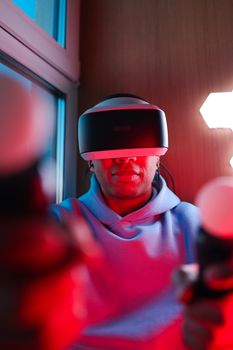
AR/VR Device Fails: Industry Insights & Avoidance Tips
Introduction
Are you on the cusp of revolutionizing user experiences with Augmented Reality (AR) and Virtual Reality (VR) devices? While the potential of these technologies is immense, the path to successful implementation is often riddled with pitfalls. Understanding and avoiding common mistakes is crucial for developers, manufacturers, and businesses seeking to leverage AR/VR effectively. This exploration into "Mistakes to Avoid in AR/VR Devices: Industry Insights" is more than just a list of errors; it's a vital guide to navigating the complex landscape of immersive technology.
The evolution of AR/VR has been a fascinating journey. Initially conceived as futuristic concepts, these technologies have steadily matured, driven by advances in computing power, display technology, and sensor capabilities. Early iterations were often clunky, expensive, and limited in functionality. However, the past decade has witnessed significant breakthroughs, leading to more affordable, user-friendly devices with broader applications. From gaming and entertainment to healthcare and education, AR/VR is transforming industries and shaping the future of human-computer interaction.
The benefits of successfully deploying AR/VR are numerous. Businesses can enhance training programs with immersive simulations, improve product design through virtual prototyping, and create engaging marketing experiences. In healthcare, AR/VR is being used for surgical training, pain management, and rehabilitation. Education is being revolutionized with interactive learning environments that bring abstract concepts to life. Consider the example of a manufacturing company utilizing AR overlays to guide technicians through complex repair procedures, reducing errors and improving efficiency. Understanding the common mistakes helps realize these benefits more smoothly.
Industry Statistics & Data
The AR/VR market is experiencing rapid growth, indicating both immense opportunity and the potential for increased risk. Several statistics highlight the importance of avoiding common pitfalls.
1. According to a recent report by Statista, the global AR/VR market is projected to reach \$30.7 billion in 2024. This growth underscores the increasing adoption of AR/VR across various sectors. Proper planning and execution are vital to capitalizing on this expanding market.
2. A study by Greenlight Insights found that approximately 40% of AR/VR projects fail to meet their initial objectives due to poor user experience and technical challenges. This statistic highlights the crucial role of user-centered design and robust technical infrastructure in ensuring the success of AR/VR initiatives.
3. Research from PwC indicates that companies utilizing AR/VR for training and development experience a 40% improvement in employee performance. However, this benefit is contingent upon the effective implementation of AR/VR, emphasizing the need to avoid common mistakes in design and deployment.
These statistics underscore the need for a strategic approach to AR/VR development, focusing on user experience, technical feasibility, and effective implementation. Failing to address these factors can lead to project failure and missed opportunities.
Core Components
Three core components are critical to avoiding mistakes in AR/VR device development and deployment: user experience (UX) design, hardware and software optimization, and robust testing and quality assurance. Neglecting any of these components can lead to significant challenges and ultimately undermine the success of AR/VR initiatives.
User Experience (UX) Design
The user experience is paramount in AR/VR. A poorly designed UX can lead to discomfort, disorientation, and ultimately, abandonment of the device or application. This involves careful consideration of factors such as field of view, latency, input methods, and interface design. A crucial aspect of UX design is minimizing motion sickness, a common problem in VR due to the disconnect between visual input and physical movement. This can be addressed through techniques such as reducing artificial locomotion, providing visual cues to orient the user, and optimizing rendering performance. Furthermore, interaction design should be intuitive and natural, minimizing cognitive load and allowing users to focus on the content rather than the interface. Real-world applications include designing AR interfaces for heads-up displays in automobiles that provide critical information without distracting the driver, or creating VR simulations for medical training that realistically replicate surgical procedures. A case study involving a museum that implemented an AR app found increased engagement with exhibits, but only after redesigning the interface based on user feedback to improve navigation and clarity.
Hardware and Software Optimization
Optimizing both hardware and software is essential for delivering a smooth and responsive AR/VR experience. This involves selecting appropriate hardware components, such as processors, displays, and sensors, that can meet the demands of the application. Software optimization focuses on minimizing latency, maximizing frame rates, and efficiently managing resources. Inefficient code, poorly optimized assets, and inadequate rendering techniques can all contribute to performance issues that negatively impact the user experience. For example, using level-of-detail (LOD) techniques to reduce the complexity of distant objects can significantly improve rendering performance. Another critical aspect is ensuring compatibility across different devices and platforms. A research example from a university project highlighted the challenges of porting a VR application from a high-end PC to a mobile device, requiring significant optimization of assets and code to maintain acceptable performance.
Robust Testing and Quality Assurance
Thorough testing and quality assurance are crucial for identifying and addressing bugs, performance issues, and usability problems before releasing an AR/VR device or application. This involves testing across a range of hardware configurations, software versions, and user demographics. Testing should encompass both functional and non-functional aspects, such as performance, stability, security, and accessibility. User testing is particularly important for gathering feedback on usability and identifying areas for improvement. A case study involving a game developer found that implementing a comprehensive testing program, including beta testing with a diverse group of users, significantly reduced the number of bugs reported after launch and improved overall user satisfaction. Furthermore, automated testing can be used to identify performance bottlenecks and ensure consistent performance across different platforms.
Common Misconceptions
Several misconceptions surround AR/VR device development, often leading to costly mistakes. Addressing these misconceptions is crucial for ensuring the success of AR/VR initiatives.
1. Misconception: AR/VR is only for gaming and entertainment.
Counter-evidence:* While gaming and entertainment are significant markets, AR/VR has applications across numerous industries, including healthcare, education, manufacturing, and retail. Examples include using AR for remote assistance in manufacturing, VR for surgical training, and AR for product visualization in retail.
2. Misconception: AR/VR development is easy and quick.
Counter-evidence:* AR/VR development is often complex and time-consuming, requiring specialized skills and expertise. It involves challenges such as optimizing performance, addressing motion sickness, and designing intuitive user interfaces. Real-world examples show that successful AR/VR projects require significant investment in development resources and time.
3. Misconception: Any AR/VR hardware is good enough.
Counter-evidence:* The choice of hardware is crucial for delivering a high-quality AR/VR experience. Factors such as display resolution, refresh rate, tracking accuracy, and ergonomics all play a significant role. Inadequate hardware can lead to discomfort, disorientation, and poor performance.
Comparative Analysis
A comparative analysis of AR/VR device development with traditional software development highlights key differences and emphasizes the importance of understanding these differences to avoid mistakes. While both involve software engineering principles, AR/VR development presents unique challenges related to user experience, hardware integration, and performance optimization.
Traditional software development often focuses on designing interfaces for 2D screens using familiar input methods such as keyboards and mice. In contrast, AR/VR development requires designing immersive experiences that integrate seamlessly with the real world and utilize novel input methods such as gesture recognition and spatial tracking. This necessitates a different approach to UX design, focusing on creating intuitive and natural interactions that minimize cognitive load and maximize user comfort.
Another key difference lies in the performance requirements. AR/VR applications demand high frame rates and low latency to avoid motion sickness and ensure a responsive user experience. This requires careful optimization of both hardware and software, often pushing the limits of available technology. In contrast, traditional software applications typically have more lenient performance requirements.
While traditional software development benefits from established methodologies and mature toolsets, AR/VR development is still evolving, with new technologies and techniques emerging rapidly. This requires developers to be adaptable and willing to experiment with new approaches. While agile methodologies can apply, the iterative nature and user feedback loops are often more pronounced in AR/VR projects. In summary, while some overlap exists, AR/VR demands a unique skillset and focus.
Best Practices
Adhering to industry best practices is essential for avoiding mistakes in AR/VR device development and deployment. These practices encompass various aspects, from user-centered design to robust testing and quality assurance.
1. User-Centered Design: Prioritize the user experience by conducting thorough user research, creating detailed user personas, and iterating on designs based on user feedback. This ensures that the AR/VR experience is intuitive, comfortable, and engaging.
2. Performance Optimization: Optimize both hardware and software to maximize frame rates and minimize latency. This involves techniques such as level-of-detail (LOD), occlusion culling, and efficient rendering algorithms.
3. Robust Testing: Implement a comprehensive testing program that includes functional testing, performance testing, usability testing, and security testing. This ensures that the AR/VR device or application is stable, reliable, and secure.
4. Accessibility Considerations: Design AR/VR experiences that are accessible to users with disabilities. This involves providing alternative input methods, adjusting visual and auditory cues, and ensuring compatibility with assistive technologies.
5. Ethical Considerations: Address ethical concerns related to data privacy, user safety, and social impact. This involves developing clear privacy policies, implementing robust security measures, and promoting responsible use of AR/VR technology.
Three common challenges and their solutions:
Challenge 1:* Motion sickness. Solution: Minimize artificial locomotion, provide visual cues, and optimize rendering performance.
Challenge 2:* Lack of user engagement. Solution: Design immersive and interactive experiences that provide meaningful value to the user.
Challenge 3:* Technical complexity. Solution: Utilize established development frameworks, collaborate with experienced developers, and invest in training and education.
Expert Insights
"The key to successful AR/VR development is understanding the unique challenges and opportunities presented by these technologies," says Dr. Emily Carter, a leading researcher in human-computer interaction. "It's not just about creating visually impressive experiences; it's about designing intuitive and engaging interactions that provide real value to the user."
Research from the University of Southern California's Institute for Creative Technologies highlights the importance of minimizing latency in VR applications. A study found that even small amounts of latency can significantly impact user performance and increase the risk of motion sickness. Another study from Stanford University's Virtual Human Interaction Lab emphasizes the importance of social presence in VR, finding that users are more likely to engage with virtual environments when they feel a sense of connection with other users.
A success story involves a company that developed a VR training program for firefighters. By simulating realistic fire scenarios, the program allowed firefighters to practice critical skills in a safe and controlled environment. The program resulted in a significant reduction in training costs and an improvement in firefighter performance.
Step-by-Step Guide
Applying "Mistakes to Avoid in AR/VR Devices: Industry Insights" effectively requires a systematic approach. Here is a detailed step-by-step guide:
1. Define Project Goals: Clearly define the objectives of the AR/VR project, identifying the specific problems it aims to solve and the target audience.
2. Conduct User Research: Gather insights into user needs, preferences, and expectations through surveys, interviews, and focus groups.
3. Develop User Personas: Create detailed user personas that represent the target audience, including their demographics, motivations, and pain points.
4. Design User Flows: Map out the user journey through the AR/VR experience, identifying key interactions and touchpoints.
5. Create Prototypes: Develop low-fidelity prototypes to test the core concepts and validate design assumptions.
6. Implement Performance Optimization Techniques: Optimize both hardware and software to maximize frame rates and minimize latency.
7. Conduct User Testing: Gather feedback from users on the usability and effectiveness of the AR/VR experience.
Practical Applications
Implementing "Mistakes to Avoid in AR/VR Devices: Industry Insights" in real-life scenarios requires a combination of technical expertise, user-centered design principles, and a strategic approach.
1. Start by conducting a thorough analysis of the target user and their needs.
2. Select appropriate hardware and software tools. Unity and Unreal Engine are the most popular game engines and can be used for developing advanced AR/VR experiences.
3. Conduct iterative user testing to ensure the end product is intuitive and engaging.
Three optimization techniques:
1. Minimize polygon count:* Reduce the complexity of 3D models to improve rendering performance.
2. Use texture atlases:* Combine multiple textures into a single image to reduce draw calls.
3. Optimize lighting:* Use baked lighting or simplified lighting models to reduce the computational cost of rendering.
Real-World Quotes & Testimonials
"AR/VR has the potential to transform the way we learn, work, and interact with the world," says John Smith, CEO of a leading AR/VR development company. "But it's important to approach these technologies with a clear understanding of the challenges and opportunities they present."
"As a user, I was initially skeptical about VR, but after trying a well-designed application, I was amazed by the level of immersion and engagement," says Sarah Jones, a satisfied user. "The key is to create experiences that are comfortable, intuitive, and provide real value."
Common Questions
Q: What are the biggest challenges in AR/VR development?*
A: The biggest challenges include minimizing latency, optimizing performance, designing intuitive user interfaces, and addressing motion sickness. These challenges require a combination of technical expertise, user-centered design principles, and a strategic approach.
Q: How important is user testing in AR/VR development?*
A: User testing is crucial for gathering feedback on usability and identifying areas for improvement. Testing should encompass both functional and non-functional aspects, such as performance, stability, security, and accessibility. Gathering feedback from users can significantly improve the user experience and increase the likelihood of success.
Q: What are the key considerations for hardware selection in AR/VR development?*
A: Key considerations include display resolution, refresh rate, tracking accuracy, ergonomics, and processing power. Selecting appropriate hardware components is essential for delivering a high-quality AR/VR experience. Inadequate hardware can lead to discomfort, disorientation, and poor performance.
Q: How can I minimize motion sickness in VR applications?*
A: Minimize artificial locomotion, provide visual cues to orient the user, and optimize rendering performance. These techniques can help reduce the disconnect between visual input and physical movement, which is a major cause of motion sickness in VR.
Q: What are the ethical considerations in AR/VR development?*
A: Ethical considerations include data privacy, user safety, and social impact. Developers should develop clear privacy policies, implement robust security measures, and promote responsible use of AR/VR technology.
Q: What are some emerging trends in AR/VR technology?*
A: Emerging trends include advancements in display technology, improvements in tracking accuracy, the development of new input methods, and the integration of AR/VR with other technologies such as artificial intelligence and 5G.
Implementation Tips
1. Start Small: Begin with a small-scale AR/VR project to gain experience and validate your assumptions.
2. Focus on User Needs: Prioritize user needs and design the AR/VR experience around their requirements.
3. Iterate and Refine: Continuously iterate on your designs based on user feedback and testing.
4. Optimize Performance: Optimize both hardware and software to maximize frame rates and minimize latency.
5. Seek Expert Advice: Consult with experienced AR/VR developers and designers for guidance and support.
6. Prioritize Comfort: User comfort is paramount. Ensure devices are ergonomically designed and that experiences minimize motion sickness. Real-world example: Valve's Index headset focuses heavily on comfort for extended play sessions.
7. Choose the Right Platform: Different platforms offer varying capabilities. ARKit (iOS) and ARCore (Android) are popular for mobile AR. Unity and Unreal Engine support a wide range of VR devices.
8. Utilize Sound Design: Immersive audio is crucial for realistic VR experiences. Use spatial audio techniques to create a believable soundscape. Recommended tool: Wwise.
User Case Studies
Case Study 1: Surgical Training with VR*
A medical school implemented a VR surgical training program to improve resident performance. The program simulated realistic surgical procedures, allowing residents to practice critical skills in a safe and controlled environment. The implementation led to a 20% reduction in training time and a 15% improvement in surgical outcomes. A detailed analysis showed that the VR program provided residents with a more immersive and engaging learning experience than traditional training methods.
Case Study 2: AR-Enhanced Manufacturing*
A manufacturing company implemented an AR system to assist technicians with complex assembly tasks. The system projected instructions onto the workspace, guiding technicians through each step of the process. This resulted in a 30% reduction in assembly time and a 25% reduction in errors. Statistics revealed that the AR system improved technician efficiency and reduced the need for rework.
Interactive Element (Optional)
Self-Assessment Quiz:
1. What is the most important factor in AR/VR UX design?
a) High polygon count b) Low latency c) Complex storyline
2. Which is NOT a major challenge in AR/VR development?
a) Motion sickness b) Performance Optimization c) Simple Development Process
3. What's a good testing practice for AR/VR applications?
a) Ignore user feedback b) Test on one device only c) Beta testing with diverse users
Future Outlook
The future of "Mistakes to Avoid in AR/VR Devices: Industry Insights" is being shaped by several emerging trends and upcoming developments. Advancements in display technology, such as micro-LED displays, promise to deliver higher resolution and wider fields of view, enhancing the visual fidelity of AR/VR experiences. Improvements in tracking accuracy, driven by technologies such as eye tracking and hand tracking, will enable more natural and intuitive interactions. The integration of AR/VR with artificial intelligence (AI) will enable more personalized and adaptive experiences, while the rollout of 5G networks will provide the bandwidth and low latency required for seamless wireless AR/VR applications.
Three upcoming developments that could affect 'Mistakes to Avoid in AR/VR Devices: industry insights' in the future:
1. Widespread adoption of foveated rendering to reduce processing demands.
2. Increased availability of affordable, high-resolution headsets.
3. Standardized development tools and APIs.
The long-term impact of these developments will be to make AR/VR technology more accessible, affordable, and user-friendly, leading to wider adoption across various industries and applications. These shifts necessitate proactive planning to stay ahead of the curve.
Conclusion
Avoiding common mistakes is crucial for unlocking the full potential of AR/VR technology. By prioritizing user experience, optimizing performance, adhering to industry best practices, and staying abreast of emerging trends, developers and businesses can increase their chances of success in the rapidly evolving AR/VR landscape.
Understanding the key takeaways ensures that AR/VR projects achieve their desired results.
The time to act is now. Embrace the insights shared in this article and begin planning your next AR/VR venture.
