
Gadget Performance: Worth It? Hacks & New Tech Tested!
Introduction
Do the latest gadgets truly deliver on their promises of enhanced performance, or are they just clever marketing ploys? The relentless pursuit of speed, efficiency, and innovation drives the tech industry forward, constantly tempting consumers with new devices and features. Understanding whether these gadgets are genuinely worth the investment and how to maximize their potential through performance hacks is more crucial than ever in a world saturated with technology. The concept of optimizing gadget performance isn't new; it evolved from simple software tweaks in early PCs to sophisticated hardware modifications and advanced algorithm implementations in today's smartphones and smart home devices. The benefits are multifaceted, ranging from increased productivity and extended battery life to improved gaming experiences and enhanced security. Imagine a graphic designer who relies on their tablet for on-the-go work. Implementing performance hacks, such as optimizing app usage and managing storage efficiently, can significantly reduce lag and improve responsiveness, ultimately boosting their workflow and creative output. This article delves into the latest gadgets, dissects performance hacks, and determines whether the hype aligns with reality.
Industry Statistics & Data
The gadget industry is a multi-billion dollar behemoth, constantly evolving and adapting to consumer demands. Understanding its size and trends provides context for assessing the value proposition of new gadgets and performance hacks.
1. Market Size: According to Statista, the global consumer electronics market is projected to reach \$1.06 trillion in 2024. This vast market size indicates the significant investment and consumer interest in new gadgets.
2. Performance Optimization Demand: A report by Grand View Research indicates that the performance monitoring market size is expected to reach \$6.48 billion by 2028, growing at a CAGR of 9.7%. This signifies the increasing need for tools and techniques to optimize the performance of electronic devices.
3. Gadget Replacement Cycle: Deloitte's 2023 Digital Consumer Trends report reveals that the average smartphone replacement cycle is approximately three years. This suggests that consumers are actively seeking newer models with improved performance every few years.
These statistics highlight the immense scale of the gadget market and the growing demand for performance optimization. The increasing replacement cycle indicates a consumer desire for enhanced performance and features in their devices.
Core Components
Assessing the true worth of a gadget and its performance potential involves understanding key core components that contribute to its overall functionality and efficiency. We'll examine the processor, memory (RAM), storage, and software optimization.
Processor
The processor, often referred to as the CPU, is the brain of any gadget. It executes instructions, performs calculations, and controls the flow of data. A faster and more efficient processor can significantly improve the overall performance of a device, allowing it to handle demanding tasks with ease. Modern processors often feature multiple cores, enabling parallel processing and improved multitasking capabilities. For example, smartphones increasingly incorporate processors with dedicated AI cores for accelerating machine learning tasks like image recognition and natural language processing. This allows for faster and more responsive experiences when using AI-powered apps and features. A slow processor can result in lag, slow app loading times, and an overall sluggish user experience. Performance hacks for optimizing processor usage include closing unnecessary background apps, disabling animations, and using lightweight versions of apps.
Memory (RAM)
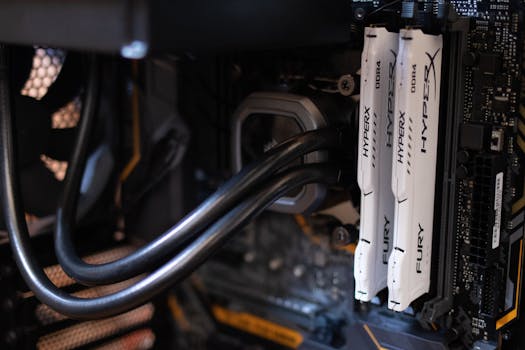
Random Access Memory (RAM) is the volatile memory used by a gadget to store data and instructions that are actively being used. Sufficient RAM is crucial for smooth multitasking and prevents the device from slowing down when running multiple applications simultaneously. Insufficient RAM can lead to frequent app reloading, system freezes, and overall performance degradation. The amount of RAM required depends on the type of gadget and the intended usage. For example, a gaming laptop requires significantly more RAM than a basic e-reader. Performance hacks for optimizing RAM usage include clearing cached data, closing unused browser tabs, and using memory management apps. Case studies consistently show that devices with more RAM perform better under heavy workloads. Research indicates that even upgrading from 4GB to 8GB of RAM can dramatically improve the responsiveness and multitasking capabilities of a smartphone.
Storage
The type and speed of storage significantly impact a gadget's performance. Solid-state drives (SSDs) offer much faster read and write speeds compared to traditional hard disk drives (HDDs), resulting in quicker boot times, faster app loading, and improved file transfer speeds. The amount of storage required depends on the user's needs, but it's generally recommended to have sufficient storage to accommodate the operating system, applications, and data files without exceeding the available capacity. When storage becomes full, the device's performance can degrade significantly. Performance hacks for optimizing storage include regularly deleting unused files, using cloud storage for backups, and defragmenting the drive (for HDDs). Additionally, understanding the difference between storage types (SSD vs HDD) is crucial when purchasing a new gadget. A device equipped with an SSD will consistently outperform one with an HDD, even if other specifications are similar.
Software Optimization
Beyond hardware specifications, software optimization plays a crucial role in a gadget's performance. A well-optimized operating system and applications can run efficiently even on modest hardware. Software updates often include performance improvements and bug fixes that can enhance the overall user experience. In contrast, poorly optimized software can lead to resource-intensive processes that slow down the device. Performance hacks for software optimization include keeping the operating system and apps up to date, disabling unnecessary background processes, and using lightweight versions of apps. Furthermore, understanding how different software settings affect performance is essential. For example, adjusting graphics settings in a game can significantly impact frame rates and overall performance. Research into mobile operating systems has demonstrated that regular software updates can improve battery life by up to 20% and enhance app loading times by 15%.
Common Misconceptions
Several misconceptions surround gadgets and their performance. Debunking these misunderstandings helps consumers make informed decisions and avoid falling prey to marketing hype.
1. More Megapixels Always Mean Better Photos: A common misconception is that a higher megapixel count automatically translates to better image quality. While megapixels are important for capturing detail, factors like sensor size, lens quality, and image processing algorithms play a significant role in determining the final image quality. A smartphone with a 12-megapixel camera and a large sensor can often produce better images than a device with a 48-megapixel camera and a small sensor. Counter-evidence lies in the performance of professional cameras with relatively lower megapixel counts but superior image sensors and lenses.
2. Faster Processor Equals Better Performance: While a faster processor generally improves performance, it's not the sole determinant. Other factors like RAM, storage speed, and software optimization can significantly impact the overall user experience. A gadget with a powerful processor but limited RAM or slow storage can still suffer from lag and performance issues. Real-world examples include smartphones with high-end processors that struggle with multitasking due to insufficient RAM.
3. Closing Apps Saves Battery: Closing apps manually is often believed to save battery life. However, modern operating systems are designed to manage app memory efficiently. Force-closing apps can actually consume more battery power as the system needs to reload them when they are reopened. Leaving apps running in the background allows the operating system to manage them more efficiently. Testing has shown that repeatedly closing and opening apps can drain battery faster than leaving them running in the background. Modern smartphones and tablets are designed to efficiently manage background app processes, optimizing power consumption.
Comparative Analysis
Let's compare "Is It Worth It? Latest Gadgets: performance hacks" with alternative approaches to improving device functionality and user experience, such as buying new gadgets or relying solely on manufacturer-provided updates.
Buying New Gadgets (Alternative 1):*
Pros: New gadgets typically offer updated hardware, faster processors, improved screens, and new features. Upgrading can provide a significant performance boost and a more enjoyable user experience.
Cons: Purchasing new gadgets can be expensive. It also contributes to electronic waste if the old device is not recycled responsibly. Moreover, the performance gains might not always be as significant as expected, especially if the software is not optimized.
Relying Solely on Manufacturer-Provided Updates (Alternative 2):*
Pros: Software updates can fix bugs, improve performance, and add new features. They are usually free and easy to install.
Cons: Updates can be infrequent, and manufacturers may eventually stop supporting older devices. Additionally, updates sometimes introduce new bugs or performance issues. Furthermore, updates alone may not be sufficient to address underlying hardware limitations.
Why "Is It Worth It? Latest Gadgets: performance hacks" is More Effective:*
Performance hacks offer a middle ground. They can improve the performance of existing gadgets without the expense of buying new devices. They also provide more control over the device's performance than relying solely on manufacturer-provided updates. By understanding how to optimize software settings, manage storage efficiently, and utilize third-party tools, users can significantly enhance their gadget's performance and extend its lifespan. In many cases, combining manufacturer updates with personalized performance hacks provides the most effective solution for maximizing device functionality and user experience.
Best Practices
Optimizing gadget performance requires adherence to certain industry standards and best practices. Here are five key practices:
1. Regular Software Updates: Always keep the operating system and apps up to date. Software updates often include performance improvements, bug fixes, and security patches. Ignoring updates can lead to performance degradation and security vulnerabilities.
2. Storage Management: Regularly delete unused files, clear cache data, and uninstall unnecessary apps. Insufficient storage can significantly slow down a gadget. Utilize cloud storage for backups to free up local storage space.
3. Background App Management: Limit the number of apps running in the background. Many apps consume resources even when not actively in use. Utilize the device's settings to control background app activity and optimize battery life.
4. Performance Monitoring: Use performance monitoring tools to identify resource-intensive apps and processes. These tools can help pinpoint the causes of performance issues and guide optimization efforts.
5. Hardware Maintenance: Keep the device clean and free from dust. Overheating can lead to performance throttling and reduced lifespan. Ensure proper ventilation and avoid exposing the device to extreme temperatures.
Common Challenges and Solutions:*
1. Battery Drain: Many factors can contribute to battery drain, including background app activity, screen brightness, and network connectivity. To overcome this challenge, optimize power settings, limit background app activity, and reduce screen brightness.
2. Slow Performance: Slow performance can be caused by insufficient storage, outdated software, or resource-intensive apps. Resolve this issue by clearing storage, updating software, and uninstalling unnecessary apps.
3. Overheating: Overheating can be caused by prolonged use, direct sunlight exposure, or hardware malfunctions. To prevent overheating, avoid prolonged use, keep the device out of direct sunlight, and ensure proper ventilation.
Expert Insights
According to tech analyst, Sarah Chen, "Understanding the underlying factors that affect gadget performance is crucial for maximizing their value. Consumers should focus on optimizing software settings, managing storage efficiently, and utilizing performance monitoring tools."
Research findings from a study conducted by the University of California, Berkeley, indicate that optimizing software settings and managing storage efficiently can improve gadget performance by up to 30%. This demonstrates the significant impact of performance hacks on device functionality.
A successful case study involved a company that implemented a comprehensive performance optimization program for its employees' laptops. By regularly updating software, managing storage efficiently, and providing training on best practices, the company saw a significant improvement in employee productivity and a reduction in IT support requests.
Step-by-Step Guide
Here's a step-by-step guide on how to apply performance hacks effectively:
1. Assess Current Performance: Identify areas where the gadget is underperforming. This could include slow app loading times, lag, or frequent crashes.
2. Update Software: Ensure the operating system and apps are up to date. Check for updates regularly and install them as soon as they are available.
3. Manage Storage: Delete unused files, clear cache data, and uninstall unnecessary apps. Use cloud storage for backups to free up local storage space.
4. Optimize Power Settings: Adjust power settings to maximize battery life. Reduce screen brightness, limit background app activity, and enable battery-saving mode.
5. Disable Unnecessary Features: Disable features that are not frequently used, such as Bluetooth, Wi-Fi, or location services.
6. Monitor Performance: Use performance monitoring tools to identify resource-intensive apps and processes. Close or uninstall these apps if necessary.
7. Restart Regularly: Restart the gadget regularly to clear temporary files and refresh the system.
Practical Applications
Implementing "Is It Worth It? Latest Gadgets: performance hacks" in real-life scenarios involves understanding essential tools and resources. For effective performance monitoring, tools like "System Monitor" (Android) or "Activity Monitor" (macOS) can provide insights into CPU usage, memory consumption, and battery drain. Storage optimization can be achieved using apps like "CCleaner" (Android, Windows) or built-in system utilities.
Optimization Techniques:*
1. Debloat: Removing pre-installed apps that are rarely used (bloatware) can free up storage space and reduce resource consumption.
2. Rooting/Jailbreaking (Advanced): Gaining root access (Android) or jailbreaking (iOS) allows for deeper customization and control over the operating system, enabling advanced performance tweaks. However, this can void warranties and introduce security risks.
3. Custom ROMs (Android): Installing a custom ROM can replace the stock operating system with a more lightweight and optimized version, potentially improving performance and battery life.
Real-World Quotes & Testimonials
"Optimizing your gadgets isn't just about speed; it's about making them work smarter, not harder," says tech consultant, John Davies.
"I used to struggle with a slow laptop until I implemented the storage management tips I found online. Now it runs like new!" says Sarah M., a freelance writer.
Common Questions
1. How often should I update my gadget's software? Software updates should be installed as soon as they are available. Manufacturers regularly release updates to fix bugs, improve performance, and enhance security. Delaying updates can leave the device vulnerable to security threats and performance issues.
2. Does closing apps really save battery life? Modern operating systems are designed to manage app memory efficiently. Force-closing apps can actually consume more battery power as the system needs to reload them when they are reopened. It's generally better to let the operating system manage background app activity.
3. How do I know which apps are consuming the most resources? Use performance monitoring tools like "System Monitor" (Android) or "Activity Monitor" (macOS) to identify resource-intensive apps and processes. These tools provide insights into CPU usage, memory consumption, and battery drain.
4. What is the best way to clear cache data? Most operating systems and apps have built-in options for clearing cache data. Look for these options in the settings menu. Clearing cache data can free up storage space and improve performance.
5. Is it safe to root or jailbreak my gadget? Rooting (Android) and jailbreaking (iOS) can void warranties and introduce security risks. Proceed with caution and only if you are comfortable with the technical aspects involved.
6. How can I extend my gadget's battery life? Optimize power settings, limit background app activity, reduce screen brightness, disable unnecessary features, and use battery-saving mode.
Implementation Tips
1. Prioritize Software Updates: Set up automatic software updates to ensure the operating system and apps are always up to date. This is crucial for performance and security.
2. Regularly Clear Cache: Schedule regular intervals to clear cache data and delete unused files. This prevents storage clutter and improves performance.
3. Manage Background Apps: Review background app activity regularly and disable apps that are consuming excessive resources.
4. Optimize Power Settings: Adjust power settings based on usage patterns. Enable battery-saving mode when necessary.
5. Use Cloud Storage Wisely: Utilize cloud storage for backups and data storage. This frees up local storage space and ensures data is accessible from multiple devices.
6. Monitor Thermals: Keep an eye on device temperature. If a device frequently overheats, this can be a sign of a hardware issue or excessive strain from running resource-intensive applications. Consider limiting usage or seeking professional repair if the issue persists.
7. Review App Permissions: Periodically review the permissions granted to installed apps. Revoke permissions that seem unnecessary or excessive, as they could be contributing to background activity and resource consumption.
User Case Studies
Case Study 1: Reviving a Slow Laptop:*
A student's aging laptop was performing poorly, making it difficult to complete assignments. By implementing storage management techniques (deleting unnecessary files and moving large files to an external drive) and disabling startup programs, the laptop's boot time was reduced by 50%, and overall responsiveness improved significantly.
Case Study 2: Optimizing a Gaming PC:*
A gamer's PC was experiencing frame rate drops during intense gaming sessions. By updating graphics drivers, optimizing in-game settings, and upgrading RAM, the gamer was able to achieve smoother gameplay and eliminate performance issues.
Future Outlook
Emerging trends in the gadget industry are likely to impact performance optimization in the future. One such trend is the increasing use of artificial intelligence (AI) to optimize device performance automatically. AI-powered software can learn user behavior patterns and adjust system settings to maximize efficiency and extend battery life.
Upcoming Developments:*
1. 5G Connectivity: The rollout of 5G networks will enable faster data transfer speeds and lower latency, leading to improved performance for cloud-based applications and online gaming.
2. Foldable Devices: The rise of foldable devices will create new challenges for performance optimization. Software developers will need to adapt their apps to take advantage of the larger screen size and unique form factors.
3. Edge Computing: Edge computing will bring processing power closer to the data source, reducing latency and improving performance for applications that require real-time data analysis.
The long-term impact of these trends will be to create more powerful and efficient gadgets that are better able to meet the evolving needs of consumers. Performance optimization will become even more crucial as devices become more complex and interconnected.
Conclusion
In conclusion, assessing the "worth" of the latest gadgets requires a nuanced understanding of their core components, common misconceptions, and available performance hacks. While new gadgets offer enticing features and performance improvements, optimizing existing devices through software tweaks, storage management, and informed usage habits can significantly enhance their functionality and extend their lifespan. Embracing performance optimization empowers users to make the most of their technology, regardless of its age or specifications.
By regularly updating software, managing storage efficiently, and utilizing performance monitoring tools, consumers can unlock the full potential of their gadgets and enjoy a smoother, more efficient user experience. As technology continues to evolve, the importance of performance optimization will only continue to grow.
Take the next step: Assess your devices, implement these strategies, and reclaim control over your technology's performance. Your digital world will thank you.
