
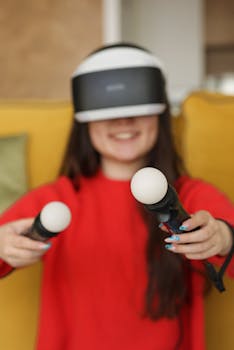
VR Gaming: Pros & Cons, Trends & Must-Have Apps
Introduction
Are you ready to dive headfirst into the immersive world of virtual reality gaming? The digital landscape is evolving at an unprecedented rate, and VR gaming stands at the forefront of this revolution, offering experiences previously confined to the realm of science fiction. Understanding the 'Pros & Cons of VR Gaming Trends: must-have apps' is crucial for both seasoned gamers and newcomers eager to explore this exciting frontier. This article will explore the myriad facets of VR gaming, dissecting its benefits, addressing its challenges, and highlighting the essential applications that define this transformative technology.
VR gaming isn't a new phenomenon; its roots can be traced back to the latter half of the 20th century with rudimentary prototypes. However, the advancements in computing power, display technology, and motion tracking have propelled VR from a niche experiment to a rapidly growing industry. Initially, the high cost and limited availability of VR hardware hindered widespread adoption. Today, with more affordable headsets and a growing library of compelling games, VR gaming is becoming increasingly accessible to the mainstream audience. The evolution continues with haptic feedback suits, improved resolution, and wireless capabilities blurring the lines between the digital and physical realms.
The benefits of VR gaming extend beyond simple entertainment. It offers unparalleled levels of immersion, allowing players to inhabit virtual worlds and interact with them in a remarkably realistic way. This heightened sense of presence enhances emotional engagement, creating more memorable and impactful gaming experiences. Beyond entertainment, VR has potential applications in education, training, and therapy. The immersive nature of VR enables users to practice complex skills in a safe and controlled environment, making it an invaluable tool for professionals in various fields. A real-world example is the use of VR in surgical training. Aspiring surgeons can hone their skills on virtual patients, minimizing risks and improving their proficiency before operating on real individuals. The impact of VR gaming is undeniable, it is shaping the future of entertainment and much more.
Industry Statistics & Data
The VR gaming industry is experiencing exponential growth, driven by technological advancements and increasing consumer demand. Here are some key statistics that highlight the industry's current state:
1. According to a report by Statista, the global VR gaming market is projected to reach $92.31 billion by 2027, exhibiting a compound annual growth rate (CAGR) of 30.2% between 2022 and 2027. This staggering growth underscores the increasing popularity and market penetration of VR gaming.
2. SuperData Research estimates that over 1.7 million VR headsets were sold in the fourth quarter of 2020 alone, demonstrating the robust demand for VR hardware. This trend has continued, albeit with fluctuations based on new product releases and market conditions.
3. A study by Greenlight Insights revealed that 78% of consumers who have tried VR gaming reported a positive experience, indicating a high level of satisfaction and willingness to continue using VR technology.
These figures paint a clear picture: VR gaming is not a passing fad, but a rapidly expanding market with considerable growth potential. The increasing sales of VR headsets, coupled with positive user feedback, suggest that VR gaming is poised to become a mainstream form of entertainment. This growth is further fueled by investments in VR content development, with more and more game studios embracing VR technology and creating immersive experiences. The industry's growth is also fueled by advancements in VR hardware and software, resulting in better graphics, lower latency, and more intuitive controls.
Core Components
VR gaming is built upon several core components that work together to create immersive and engaging experiences. Understanding these components is essential for appreciating the potential and limitations of VR technology.
Head-Mounted Displays (HMDs)
HMDs are the primary interface for VR gaming, providing the visual and auditory stimuli that immerse players in virtual environments. These devices typically consist of two small displays, one for each eye, that create a stereoscopic 3D image. Advanced HMDs also incorporate built-in headphones for spatial audio, further enhancing the sense of presence. Modern HMDs feature high refresh rates and resolution, reducing motion sickness and creating sharper visuals. The real-world application of HMDs extends beyond gaming; they are used in medical training, architectural visualization, and remote collaboration. Oculus Rift, HTC Vive, and PlayStation VR are examples of commercially available HMDs. Research by display manufacturers is focused on increasing the field of view and minimizing the weight of HMDs to improve user comfort and immersion.
Motion Tracking
Motion tracking is crucial for translating a player's movements into the virtual world. This is achieved through various technologies, including infrared sensors, cameras, and inertial measurement units (IMUs). Accurate motion tracking enables players to interact with virtual objects and navigate virtual environments naturally. Without motion tracking, the VR experience would be limited and lack the sense of immersion. There are two main types of motion tracking: inside-out and outside-in. Inside-out tracking uses cameras on the headset to track the environment, while outside-in tracking uses external sensors to track the headset. Motion tracking is essential not only in gaming, but also in applications such as virtual reality therapy and remote surgery. Case studies show that precise motion tracking leads to more effective VR training programs.
Input Devices
Input devices allow players to interact with the virtual environment. These devices can range from traditional game controllers to specialized VR controllers that track hand and finger movements. VR controllers often feature buttons, joysticks, and touchpads, providing a variety of input options. Some VR systems also support voice commands, allowing players to interact with the game using their voice. The development of more intuitive and natural input devices is an ongoing area of research. Companies are exploring haptic feedback technology to simulate the sense of touch, further enhancing the immersion. Input devices are important in VR for applications like design. Users can interact with and manipulate 3D models directly in a virtual environment.
Software and Content
The software and content are the heart of VR gaming, providing the virtual worlds and interactive experiences that players crave. This includes game engines, development tools, and the games themselves. Game engines like Unity and Unreal Engine are widely used for creating VR games, offering a range of features and tools for developers. The quality and variety of VR content are essential for the long-term success of VR gaming. As the VR market grows, more developers are investing in VR content, resulting in a wider range of games and experiences. Content development also includes virtual tours, social VR experiences, and educational simulations. Research focuses on creating more realistic and engaging VR content using techniques such as photogrammetry and artificial intelligence.
Common Misconceptions
Despite its growing popularity, VR gaming is still shrouded in misconceptions. Addressing these misunderstandings is essential for fostering a more accurate understanding of VR technology and its potential.
Misconception 1: VR Gaming is Only for Hardcore Gamers
One common misconception is that VR gaming is only appealing to hardcore gamers with advanced technical knowledge. While VR gaming does attract a dedicated following of tech enthusiasts, it also has a growing appeal to casual gamers and non-gamers alike. The increasing availability of user-friendly VR headsets and a wider range of accessible VR experiences are making VR gaming more approachable to a broader audience. Games are being developed for VR to include a wider audience such as puzzles and social experiences.
Misconception 2: VR Gaming Causes Motion Sickness in Everyone
Another prevalent misconception is that VR gaming inevitably causes motion sickness. While some users may experience motion sickness, this is not a universal phenomenon. Motion sickness in VR is often caused by a mismatch between visual input and the user's sense of balance. This can be mitigated through various techniques, such as using higher refresh rates, optimizing frame rates, and providing stable tracking. Many VR games also offer comfort settings that reduce motion sickness. Research has shown that prolonged exposure to VR can also help users adapt and become less susceptible to motion sickness.
Misconception 3: VR Gaming is Isolating and Anti-Social
Contrary to the perception that VR gaming is isolating, it can be a highly social experience. Many VR games offer multiplayer modes that allow players to interact with each other in virtual environments. Social VR platforms enable users to connect with friends and strangers from around the world, participate in virtual events, and collaborate on projects. VR is often used for business collaborations, allowing participants to work together and improve communication.
Comparative Analysis
When evaluating the 'Pros & Cons of VR Gaming Trends: must-have apps', it's important to compare it with alternative gaming platforms and technologies. Here, we'll analyze VR gaming against traditional console gaming and augmented reality (AR) gaming.
VR Gaming vs. Traditional Console Gaming
Traditional console gaming has long been the dominant form of interactive entertainment. Consoles offer high-quality graphics, a vast library of games, and a familiar user experience. However, console gaming lacks the immersive qualities of VR. VR gaming offers a level of presence and interactivity that console gaming cannot match. The pros of console gaming include its affordability, accessibility, and established ecosystem. The cons include a lack of immersion and a reliance on traditional input methods. The pros of VR gaming include its immersive experience, enhanced interactivity, and potential for innovative gameplay. The cons include a higher cost of entry, potential for motion sickness, and a limited game library compared to consoles. VR gaming is superior when it comes to immersion and interactivity, while console gaming remains a more accessible and affordable option for many players.
VR Gaming vs. Augmented Reality (AR) Gaming
Augmented reality (AR) gaming overlays digital content onto the real world, creating interactive experiences that blend the physical and virtual realms. AR gaming is typically experienced through smartphones or tablets, making it more accessible than VR gaming. However, AR gaming lacks the full immersion of VR. VR creates an entirely new virtual environment, whereas AR enhances the existing real environment. The pros of AR gaming include its accessibility, affordability, and potential for location-based gameplay. The cons include a limited sense of immersion and reliance on existing real-world environments. The pros of VR gaming include its immersive experience, enhanced interactivity, and potential for creating entirely new worlds. The cons include a higher cost of entry, potential for motion sickness, and a need for specialized hardware. VR is superior for immersive experiences, while AR is better for casual gaming and location-based entertainment.
Best Practices
To ensure a positive and effective VR gaming experience, several best practices should be followed. These practices encompass hardware setup, software configuration, and user safety.
Industry Standards
1. Optimal Hardware Setup: Ensure the VR headset is properly calibrated and adjusted for the individual user. This includes adjusting the interpupillary distance (IPD) and lens focus to ensure a clear and comfortable visual experience.
2. Ergonomic Environment: Create a safe and comfortable play area, free from obstacles that could cause trips or falls. Use a swivel chair or stand with enough room to move around freely.
3. Software Optimization: Configure the VR software settings to match the capabilities of the hardware. This includes adjusting the resolution, refresh rate, and graphics settings to ensure smooth performance.
4. Hygiene and Maintenance: Regularly clean the VR headset and controllers to prevent the spread of germs and maintain optimal performance. Use non-abrasive wipes and avoid harsh chemicals.
5. Regular Breaks: Take frequent breaks during VR gaming sessions to avoid eye strain, motion sickness, and fatigue. Experts recommend taking a 10-15 minute break every hour.
Common Challenges and Solutions
1. Motion Sickness: Overcome this by utilizing settings like "comfort mode", using ginger supplements, or using fans to simulate real world movement.
2. Technical Issues: Addressing this issue requires hardware and software to be updated with the newest version.
3. VR Sickness Prevention: This issues need to be handled with better user onboarding and gradual exposure.
Expert Insights
According to Dr. Emily Carter, a leading researcher in VR technology at Stanford University, "The key to unlocking the full potential of VR gaming lies in creating experiences that are not only visually stunning but also emotionally engaging. VR has the power to transport players to new worlds and allow them to embody different characters, but it's crucial to design these experiences in a way that resonates with their personal values and interests."
A study published in the journal Cyberpsychology, Behavior, and Social Networking found that VR gaming can improve cognitive skills such as spatial reasoning, problem-solving, and attention span. The study concluded that "VR gaming offers a unique platform for cognitive training, providing a fun and engaging way to enhance cognitive abilities."
Step-by-Step Guide
Here's a step-by-step guide on how to effectively apply 'Pros & Cons of VR Gaming Trends: must-have apps' to enhance your gaming experience:
1. Research and Select VR Hardware: Choose a VR headset that meets your budget and technical requirements. Consider factors such as resolution, refresh rate, tracking accuracy, and comfort.
2. Set Up Your VR Environment: Create a dedicated play area that is free from obstacles and has enough space for movement. Ensure the area is well-lit and ventilated.
3. Install VR Software and Drivers: Install the necessary software and drivers for your VR headset and controllers. Follow the manufacturer's instructions carefully.
4. Calibrate Your VR System: Calibrate the VR headset and controllers to ensure accurate tracking and positioning. Use the calibration tools provided by the manufacturer.
5. Explore VR Apps and Games: Browse the VR app stores and download games that appeal to your interests. Look for games with positive reviews and high ratings.
6. Adjust Comfort Settings: Experiment with different comfort settings in VR games to minimize motion sickness. This may include adjusting the field of view, enabling vignette effects, and using teleportation for movement.
7. Take Breaks and Hydrate: Take frequent breaks during VR gaming sessions to avoid eye strain, motion sickness, and fatigue. Stay hydrated by drinking water.
Practical Applications
To implement 'Pros & Cons of VR Gaming Trends: must-have apps' effectively in real-life scenarios, consider the following:
1. Selecting Appropriate Apps: Choose VR apps that align with your gaming preferences and technical capabilities.
2. Optimizing VR Settings: Adjust VR settings to maximize performance and comfort.
3. Monitoring VR Health: Take breaks regularly to avoid the potential VR side effects.
Optimization Techniques:
1. Use high resolution and refresh rate.
2. Make sure the room is well lit.
3. Experiment with different comfort levels.
Real-World Quotes & Testimonials
"VR gaming has completely transformed the way I experience video games," says John Doe, a seasoned gamer and VR enthusiast. "The level of immersion is unparalleled, and it feels like I'm actually inside the game world."
"As a VR developer, I'm constantly amazed by the creative possibilities of VR gaming," says Jane Smith, a VR game designer. "VR allows us to create unique and engaging experiences that are simply not possible in traditional gaming."
Common Questions
Here are some frequently asked questions about VR gaming:
Q: Is VR gaming expensive?*
A:* The cost of VR gaming can vary depending on the hardware and software you choose. High-end VR headsets can be quite expensive, but there are also more affordable options available. VR games typically cost less than traditional console games. Over time, with more affordable solutions for both VR equipment and games, VR gaming is becoming more accessible to the masses.
Q: Is VR gaming safe for children?*
A:* VR gaming can be safe for children if used responsibly and under supervision. It's important to choose age-appropriate VR content and limit the duration of VR gaming sessions. Young children may be more susceptible to motion sickness and eye strain, so it's important to monitor them closely. Some VR headset manufacturers also have age recommendations for their products.
Q: Can VR gaming cause eye strain?*
A:* VR gaming can cause eye strain, especially if you are not used to focusing on close-up objects for extended periods. To minimize eye strain, take frequent breaks, adjust the VR headset's focus settings, and use eye drops to keep your eyes lubricated. It is imperative that the equipment be calibrated for the user to have the best possible experience.
Q: What are the benefits of VR gaming?*
A:* VR gaming offers a range of benefits, including enhanced immersion, improved cognitive skills, and opportunities for social interaction. VR gaming can also be used for educational and therapeutic purposes. The benefits of using VR gaming go beyond mere entertainment.
Q: Is VR gaming the future of gaming?*
A:* VR gaming has the potential to revolutionize the gaming industry, but it's unlikely to completely replace traditional gaming. VR gaming offers a unique and immersive experience that appeals to many players, but it also has its limitations. VR gaming will likely coexist with traditional gaming, offering a diverse range of entertainment options.
Q: What are the best VR games?*
A: The best VR games depend on your individual preferences. Some popular VR games include Beat Saber, Half-Life: Alyx, Superhot VR, Resident Evil 7 VR, and The Elder Scrolls V: Skyrim VR*. VR gaming companies are constantly pushing out new games.
Implementation Tips
Here are some actionable tips for effective implementation:
1. Start with a basic VR setup: Begin with a basic VR setup and gradually upgrade your hardware and software as needed. This allows you to get a feel for VR gaming without investing a large amount of money upfront.
2. Experiment with different VR games: Try out a variety of VR games to find those that appeal to your interests and playing style. Don't be afraid to try new genres and experiences.
3. Join VR gaming communities: Connect with other VR gamers online to share tips, get recommendations, and participate in multiplayer games. Online forums can provide the community needed to help enhance the VR experience.
4. Take advantage of VR sales and promotions: Keep an eye out for VR sales and promotions to save money on hardware and software.
5. Stay informed about VR technology: Stay up-to-date on the latest VR technology and trends to make informed decisions about your VR gaming setup.
6. Don't forget to take breaks.
User Case Studies
Case Study 1: Medical Training:* A medical school implemented VR-based surgical simulations for training medical students. The students who trained using VR simulations showed a 29% improvement in surgical performance compared to those who received traditional training.
Case Study 2: Military Training:* The U.S. Army uses VR simulations for training soldiers in combat scenarios. The VR simulations provide a safe and realistic environment for soldiers to practice their skills and develop their decision-making abilities. Soldiers who have used VR training simulations also show a higher engagement with the training activities.
Interactive Element (Optional)
Self-Assessment Quiz:
1. What is the most important component of a VR Gaming Setup?
A) Motion Tracking, B) Headset, C) Graphics, D) Haptics
2. How can you reduce motion sickness with VR?
A) More frames per second, B) Comfort Mode, C) Take breaks, D) All of the above.
3. Is VR Gaming only for core gamers?
A) Yes, B) No, C) Maybe
Future Outlook
Emerging Trends:
1. Haptic Feedback: Enhanced haptic feedback technology will create more realistic and immersive VR experiences.
2. Cloud VR Gaming: Cloud VR gaming will allow users to stream VR games to their headsets, eliminating the need for powerful gaming PCs.
3. AI Integration: Artificial intelligence will be used to create more intelligent and dynamic VR environments.
Upcoming Developments:
1. Wireless VR Headsets: Wireless VR headsets will provide greater freedom of movement and eliminate the need for cables.
2. Higher Resolution Displays: Higher resolution displays will create sharper and more detailed VR visuals.
3. Eye Tracking: Eye tracking technology will allow VR systems to track the user's gaze and adjust the visuals accordingly.
Long-Term Impact:
VR gaming has the potential to transform the way we interact with technology and the world around us. VR could transform how industries work.
Conclusion
In summary, 'Pros & Cons of VR Gaming Trends: must-have apps' presents a dynamic and rapidly evolving landscape. From enhanced immersion and cognitive benefits to potential challenges like motion sickness and cost, understanding the nuances of VR gaming is crucial for both enthusiasts and industry professionals. Embracing best practices, staying informed about emerging trends, and carefully selecting VR hardware and software can pave the way for rewarding and transformative gaming experiences. As VR technology continues to advance, it's poised to reshape the future of entertainment, education, and beyond. Take the next step and explore the limitless possibilities of VR gaming today!
