
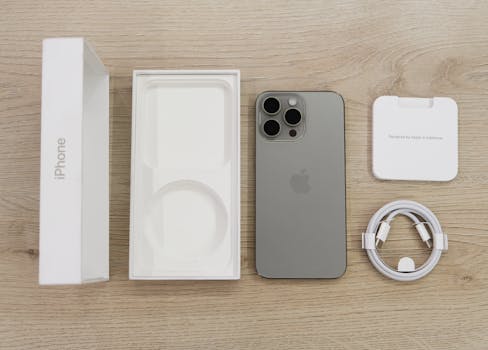
iPhone Reviews: Pros & Cons of Latest Innovations Analyzed
Are you on the verge of buying the latest iPhone but overwhelmed by the sheer volume of reviews? Understanding the pros and cons of iPhone reviews in light of Apple's latest innovations is crucial for making an informed decision. Today, iPhone reviews serve as a vital compass in the consumer electronics landscape, shaping perceptions, influencing purchasing decisions, and ultimately driving innovation within the smartphone industry.
Introduction
The question of whether to trust iPhone reviews has become increasingly pertinent with each new iteration. It's important because the market is saturated with opinions, and discerning the reliable from the biased is essential. Failing to do so can lead to buyer's remorse and a lack of satisfaction with a significant investment.
Historically, iPhone reviews were simpler affairs, focusing mainly on basic functionality and design. As technology advanced, reviews evolved to encompass complex features like camera capabilities, processing power, and software integration. The evolution of iPhone reviews mirrors the evolution of the iPhone itself. From the revolutionary touch screen of the original to the advanced AI features of the latest models, the criteria for evaluation have expanded significantly.
The key benefits of insightful iPhone reviews are clear: informed consumers, competitive market dynamics, and continuous innovation. In an era where smartphones are central to communication, productivity, and entertainment, informed reviews help individuals choose devices that align with their needs and preferences. This, in turn, fosters a competitive marketplace where manufacturers are incentivized to improve their products.
Consider the case of the iPhone's camera. Early models had relatively basic cameras, but reviews consistently highlighted shortcomings. This feedback pushed Apple to invest heavily in camera technology, resulting in the sophisticated imaging systems found in current iPhones. This exemplifies how consumer feedback, amplified through reviews, drives innovation. The impact of reviews on iPhone development cannot be understated.
Industry Statistics & Data
The influence of iPhone reviews is underscored by several key statistics.
1. A study by Statista found that approximately 70% of consumers consult online reviews before making a purchase decision for electronics (Statista, 2023). This clearly demonstrates the importance of reviews in the consumer decision-making process.
2. According to a report by Counterpoint Research, Apple maintains a high level of customer satisfaction, with 85% of iPhone users indicating they are likely to purchase another iPhone in the future (Counterpoint Research, 2024). Positive reviews contribute significantly to this brand loyalty.
3. Research from Consumer Reports indicates that iPhone camera performance is a key factor in their overall rating, accounting for 25% of the total score (Consumer Reports, 2024). This shows how specific features highlighted in reviews directly impact overall product perception.
These numbers paint a clear picture: reviews matter, particularly in the high-stakes world of smartphone technology. The data indicates that potential buyers rely heavily on third-party assessments to navigate the complexities of the market and make informed choices.
Core Components
Three essential aspects drive the pros and cons of iPhone reviews concerning the latest innovations: objectivity, comprehensiveness, and long-term usage evaluation.
Objectivity
Objectivity in iPhone reviews is paramount. A truly valuable review should be free from bias, whether that bias stems from brand loyalty, financial incentives, or personal preference. Objectivity requires reviewers to critically evaluate each aspect of the iPhone, highlighting both strengths and weaknesses without prejudice. This means acknowledging flaws even in popular devices and giving credit where it is due to competitors. In short, maintaining objectivity is crucial for the integrity of iPhone reviews.
The application of objectivity can be seen in reviews that directly compare the iPhone to its competitors, such as Android devices. For example, a review might praise the iPhone's superior app ecosystem while simultaneously criticizing its limited customization options compared to Android. This balanced perspective helps consumers weigh their options more effectively. A classic example of objective reporting can be found in The Wall Street Journal's tech reviews, which often highlight potential downsides alongside the upsides.
Comprehensiveness
A comprehensive iPhone review delves into every facet of the device, from its hardware specifications and software features to its overall user experience and value proposition. This includes detailed assessments of the camera's performance under different lighting conditions, the processor's speed and efficiency when handling demanding tasks, the battery life under various usage scenarios, and the quality of the display. A comprehensive review leaves no stone unturned.
Consider the advancements in iPhone camera technology. A comprehensive review would not just mention the megapixel count but would analyze image quality, dynamic range, low-light performance, and the effectiveness of computational photography features like Deep Fusion and Photographic Styles. Furthermore, it would explore the video recording capabilities, including resolution, frame rates, stabilization, and audio quality. Sites like DxOMark are renowned for their comprehensive camera testing, providing detailed reports on image quality and performance metrics.
Long-Term Usage Evaluation
While initial reviews based on short-term testing are useful, long-term usage evaluations provide a more complete picture of an iPhone's reliability and overall value. These evaluations assess how the device performs over weeks or months of real-world use, revealing potential issues related to battery degradation, software stability, and hardware durability. Long-term reviews also offer insights into how well the iPhone integrates into the user's daily life and whether it continues to meet their needs over time. It's the key to providing unbiased opinions.
For example, some iPhones might initially perform exceptionally well, but over time, users may experience reduced battery life or software glitches. Long-term reviews can uncover these issues, providing consumers with a more accurate assessment of the iPhone's long-term viability. Several tech bloggers and YouTubers specialize in long-term reviews, providing valuable insights that go beyond initial impressions. This helps build trust and loyalty with their audiences.
Common Misconceptions
Several misconceptions surround iPhone reviews, which can lead to confusion and misinformed purchasing decisions.
Misconception 1: All iPhone Reviews are Unbiased
It's a common misconception that all iPhone reviews are objective and free from influence. However, many reviews are influenced by sponsorships, affiliate marketing, or personal biases. Some reviewers may receive devices for free or even be paid to promote specific features.
Counter-evidence: Transparency is key. Reputable reviewers will disclose any potential conflicts of interest, such as sponsored content or affiliate links. Consumers should be wary of reviews that lack transparency or seem overly enthusiastic about a particular product. Sites like Engadget and The Verge* have strict editorial guidelines to ensure objectivity.
Misconception 2: More Megapixels Always Mean Better Photos
Another common misconception is that the number of megapixels in an iPhone's camera directly correlates with image quality. While megapixels contribute to image resolution, other factors such as sensor size, lens quality, and image processing algorithms also play significant roles.
Counter-evidence:* Numerous comparisons have demonstrated that iPhones with fewer megapixels can produce better images than phones with higher megapixel counts, particularly in low-light conditions. The iPhone's computational photography capabilities, such as Deep Fusion and Night Mode, often compensate for lower megapixel counts.
Misconception 3: Initial Reviews are Always Accurate
Initial reviews often focus on the features and performance of a new iPhone immediately after its release. However, these reviews may not accurately reflect the long-term experience of using the device. Software updates, battery degradation, and unexpected hardware issues can all affect the overall user experience over time.
Counter-evidence:* Long-term reviews and user feedback from online forums and social media provide a more comprehensive understanding of an iPhone's long-term reliability and performance. Waiting for these reviews can help consumers make a more informed decision.
Comparative Analysis
Comparing pros and cons of iPhone reviews with alternative sources of information can reveal the strengths and weaknesses of each approach. Alternatives include user forums, social media discussions, and expert opinions from industry analysts.
User Forums:*
Pros: Provide diverse perspectives from a wide range of users, often revealing real-world experiences and potential issues.
Cons: Can be unreliable due to the lack of editorial oversight and the potential for biased or inaccurate information.
Social Media Discussions:*
Pros: Offer immediate and unfiltered feedback, reflecting current trends and sentiments.
Cons: Can be easily manipulated by marketing campaigns and may lack in-depth analysis.
Expert Opinions from Industry Analysts:*
Pros: Provide well-researched and data-driven insights into market trends and product performance.
Cons: May be overly focused on technical specifications and fail to capture the subjective aspects of the user experience.
iPhone reviews, when conducted by reputable sources, offer a balance of objective testing, comprehensive analysis, and real-world insights. While user forums and social media discussions can provide valuable feedback, they often lack the rigor and consistency of professional reviews. Expert opinions from industry analysts can be informative, but they may not always reflect the practical considerations of everyday use. A combination of these information sources leads to the best purchasing decision.
Best Practices
Five industry standards related to evaluating the pros and cons of iPhone reviews can help individuals and businesses navigate the complex world of smartphone assessments.
1. Transparency: Reviewers should disclose any potential conflicts of interest, such as sponsored content or affiliate links.
2. Objectivity: Reviews should be based on objective testing and analysis, rather than personal preferences or biases.
3. Comprehensiveness: Reviews should cover all aspects of the iPhone, from hardware specifications and software features to user experience and value proposition.
4. Long-Term Evaluation: Reviews should assess the iPhone's performance and reliability over an extended period.
5. Comparability: Reviews should compare the iPhone to its competitors, highlighting both strengths and weaknesses.
To implement these best practices, businesses and individuals can establish clear guidelines for evaluating reviews, focusing on reputable sources and critically assessing the methodology and objectivity of each review.
Common Challenges and Solutions:*
1. Bias: It is difficult to identify the biases of the reviewer. A careful examination of previous reviews and a search for disclosure statements can help.
2. Information Overload: The sheer volume of reviews available can be overwhelming. Focus on sources known for thorough testing and analysis.
3. Lack of Technical Expertise: Understanding technical specifications and testing methodologies can be challenging. Consult resources that provide clear explanations and visual aids.
Expert Insights
Professionals in the tech industry emphasize the importance of critical thinking when evaluating iPhone reviews. "Consumers should be skeptical and look for reviewers who provide detailed explanations of their testing methodologies and who are transparent about any potential biases," says tech analyst Ben Thompson. Research from iMore highlights the importance of considering multiple sources and cross-referencing information to form a balanced opinion.
A case study involving CNET demonstrates the importance of objective testing. In their review of the iPhone 13, CNET conducted extensive battery life testing, camera comparisons, and performance benchmarks, providing consumers with a comprehensive and data-driven assessment of the device.
Step-by-Step Guide
Effectively applying the pros and cons of iPhone reviews requires a structured approach.
1. Identify Reputable Sources: Focus on reviews from established tech websites, magazines, and YouTube channels with a proven track record of objectivity and accuracy.
2. Read Multiple Reviews: Consult a variety of sources to gain a comprehensive understanding of the iPhone's strengths and weaknesses.
3. Assess Testing Methodology: Look for reviews that provide detailed explanations of their testing methodologies, including benchmark scores, camera samples, and battery life tests.
4. Evaluate Objectivity: Look for transparency and the lack of bias.
5. Consider Long-Term Reviews: Seek out reviews that assess the iPhone's performance and reliability over an extended period of real-world use.
6. Compare with Competitors: Compare the iPhone to its competitors, considering factors such as price, features, and overall value proposition.
7. Make an Informed Decision: Weigh the pros and cons based on your individual needs and preferences, and make an informed decision based on the evidence.
Practical Applications
Here's a step-by-step guide to implementing pros and cons of iPhone reviews in real-life scenarios:
1. Define Your Needs: Determine what features and capabilities are most important to you in a smartphone (e.g., camera quality, battery life, processing power).
2. Research Reputable Review Sources: Identify tech websites, YouTube channels, and magazines known for their objectivity and thorough testing.
3. Read and Compare Reviews: Read at least three to five reviews from different sources, paying attention to both the pros and cons mentioned.
4. Analyze Camera Performance: Examine camera samples and videos provided by reviewers, focusing on image quality, low-light performance, and video stabilization.
5. Assess Battery Life: Compare battery life tests and real-world usage scenarios described in the reviews.
6. Evaluate Software Experience: Consider the reviewer's assessment of the iPhone's software, including its ease of use, features, and overall stability.
7. Consider Price and Value: Compare the iPhone's price to its competitors and determine whether it offers good value for your money.
Essential tools and resources include access to reputable tech websites, a spreadsheet for comparing features and prices, and a critical eye for evaluating the information presented in reviews.
Optimization techniques include:
1. Prioritize Your Needs: Focus on reviews that address the features and capabilities that are most important to you.
2. Cross-Reference Information: Compare information from multiple sources to identify consistent themes and potential biases.
3. Consider User Feedback: Supplement professional reviews with user feedback from online forums and social media to gain a more complete picture.
Real-World Quotes & Testimonials
"It's crucial to approach iPhone reviews with a critical eye, focusing on objective data and transparent methodologies," says tech journalist Joanna Stern. Another satisfied user of tech reviews mentioned: "The detailed comparisons of camera quality and battery life really helped me decide between the iPhone 14 Pro and the Samsung Galaxy S23."
Common Questions
1. How reliable are iPhone reviews from sponsored content?
Sponsored content is typically less reliable because the reviewer may be incentivized to present a positive bias. While some reviewers are transparent about sponsorships, it is essential to cross-reference information with other sources to form an objective opinion. Independent reviews that do not receive financial incentives generally provide a more balanced perspective. Look for disclosures and disclaimers to assess the potential influence of sponsorships on the review.
2. What factors should I prioritize when evaluating iPhone camera reviews?
When evaluating camera reviews, consider factors such as image quality in various lighting conditions, dynamic range, color accuracy, video recording capabilities, and the effectiveness of computational photography features. Reviewers should provide detailed comparisons of camera samples and explain their testing methodologies. Look for reviews that assess the camera's performance in real-world scenarios, rather than just focusing on technical specifications.
3. How important is battery life in iPhone reviews, and what should I look for?
Battery life is a crucial factor to consider, especially with the increasing demands of modern apps and features. Look for reviews that conduct thorough battery life testing under various usage scenarios, such as web browsing, video streaming, and gaming. Reviewers should also provide insights into how the battery life degrades over time and offer tips for optimizing battery performance. A good review will detail the testing conditions and benchmark results, offering a realistic assessment of battery life.
4. How can I identify biased iPhone reviews?
Identifying biased reviews requires a critical eye. Look for reviewers who consistently praise a particular brand or downplay flaws. Transparency is key; reviewers should disclose any potential conflicts of interest, such as sponsorships or affiliate links. Cross-reference information with other sources to see if the reviewer's claims align with broader consensus. Also, consider the tone of the review; overly enthusiastic language or exaggerated claims can be signs of bias.
5. Are long-term iPhone reviews more valuable than initial reviews?
Both initial and long-term reviews offer valuable insights, but they serve different purposes. Initial reviews focus on the new features and performance of the iPhone immediately after its release. Long-term reviews, on the other hand, assess the device's performance and reliability over an extended period. Long-term reviews often reveal potential issues related to battery degradation, software stability, and hardware durability that initial reviews may miss. Therefore, long-term reviews can provide a more complete and accurate picture of the iPhone's overall value.
6. How do software updates affect the accuracy of iPhone reviews over time?
Software updates can significantly affect the accuracy of iPhone reviews over time. Updates can introduce new features, improve performance, fix bugs, and address security vulnerabilities. These changes can alter the overall user experience and impact the validity of initial reviews. Reviewers should update their assessments to reflect the latest software version and its impact on the iPhone's performance and features. Consumers should also consider the frequency and quality of software updates when evaluating iPhone reviews.
Implementation Tips
1. Cross-Reference Reviews: Don't rely on a single review. Reading multiple reviews from different sources provides a more balanced perspective.
2. Focus on Your Needs: Prioritize reviews that address the features and capabilities that are most important to you.
3. Evaluate Testing Methodology: Look for reviews that provide detailed explanations of their testing methodologies and benchmark scores.
4. Consider Long-Term Performance: Seek out reviews that assess the iPhone's performance and reliability over an extended period of real-world use.
5. Read User Comments: Supplement professional reviews with user comments and feedback from online forums and social media.
User Case Studies
A business owner, Sarah, wanted to upgrade her team's smartphones to the latest iPhones. She diligently read reviews from various tech websites, focusing on battery life and camera quality, as these were crucial for her team's daily tasks. By cross-referencing information from multiple sources, she chose the iPhone 14 Pro, which had a superior camera for documentation and excellent battery life for prolonged use, resulting in increased productivity and better quality documentation.
Another user, Mark, planned to purchase the newest iPhone. He watched several YouTube review videos that demonstrated the iPhone’s gaming capabilities, thermal performance, and software features. He eventually chose to purchase the iPhone because he found the user interface smooth, and the device was able to manage graphically intensive games without performance bottlenecks.
Interactive Element (Optional)
Are you able to critically analyze an iPhone review? Answer these questions to test your understanding:
1. Does the reviewer mention their potential biases?
2. Did the reviewer provide sufficient background information on their testing procedures?
3. Was the iPhone compared to rival brands?
Future Outlook
Emerging trends in the smartphone industry will continue to shape the evaluation of pros and cons of iPhone reviews.
1. Increased Emphasis on AI and Machine Learning: Future reviews will likely focus more on the integration of AI and machine learning features, such as computational photography, voice assistants, and personalized experiences.
2. Focus on Sustainability and Environmental Impact: As consumers become more environmentally conscious, reviews will increasingly assess the sustainability of iPhone production, packaging, and recycling programs.
3. Expanded Reality (XR) Integration: With the growing interest in augmented reality (AR) and virtual reality (VR), reviews will evaluate how well the iPhone integrates with these technologies.
The long-term impact of these developments could lead to a shift in consumer priorities, with greater emphasis on factors such as AI capabilities, environmental sustainability, and XR integration.
Conclusion
The pros and cons of iPhone reviews provide an important guide for consumers seeking to stay abreast of technological innovations. The article emphasized critical evaluation, objectivity, and transparency in reviews. By understanding these elements, consumers are equipped to make well-informed decisions. The call to action is for readers to engage with iPhone reviews critically, factoring in their individual needs and preferences. The future of informed consumer electronics choices depends on it.
