
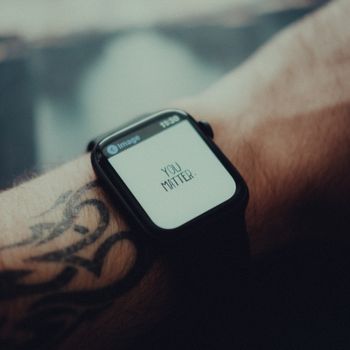
Wearable Tech: Things You Didn't Know (And How to Use Them!)
Did you know your fitness tracker only scratches the surface of wearable tech's capabilities? Many are unaware of the profound impact wearable technology has on various aspects of modern life. Wearable tech isn't just about counting steps; it's a revolution in how we interact with information, monitor our health, and even enhance our safety.
Introduction
The world of wearable technology extends far beyond smartwatches and fitness bands. It's a dynamic field brimming with innovation, offering solutions we might not even realize exist. This article aims to shed light on the lesser-known aspects of wearable tech, revealing its potential to transform industries and daily routines. From sophisticated medical devices to augmented reality headsets, wearable tech's influence is steadily growing.
The evolution of wearable tech is a fascinating story. Early iterations were clunky and limited in functionality. Remember the calculator watches of the 1980s? While rudimentary by today's standards, they laid the foundation for the sleek and powerful devices we see now. The advent of miniaturized sensors, powerful processors, and wireless communication technologies fueled this transformation. Today, wearable tech is characterized by its seamless integration into our lives, providing real-time data and personalized insights.
The benefits of wearable tech are multifaceted. In healthcare, wearables enable remote patient monitoring, early disease detection, and personalized treatment plans. In fitness, they provide detailed performance metrics and motivational tools. In industrial settings, wearables enhance worker safety and productivity. Consider the example of smart helmets used in construction. These helmets can track vital signs, detect falls, and provide real-time communication, significantly improving worker safety and efficiency. This "How to Wearable Tech" guide seeks to explore the under-documented territory of implementation and practical application.
Industry Statistics & Data
The growth of the wearable tech market is undeniable, bolstered by consumer demand and technological advancements.
1. Market Size: According to Statista, the global wearable technology market is projected to reach \$116.13 billion in 2024. This demonstrates the significant economic impact and consumer adoption of wearable devices.
2. Healthcare Dominance: Deloitte's 2023 Global Healthcare Outlook report highlights that healthcare is the fastest-growing sector for wearable tech, with a projected annual growth rate of 18%. This growth is driven by the increasing demand for remote patient monitoring and personalized healthcare solutions.
3. Smartwatch Popularity: Canalys reports that smartwatches accounted for over 50% of all wearable device shipments in 2023. This indicates a shift towards more sophisticated wearable devices with a wider range of functionalities.
These statistics underscore the burgeoning market and evolving landscape of wearable technology. The healthcare sector's dominance highlights the increasing importance of wearables in preventative care and disease management. The continued popularity of smartwatches demonstrates the consumer demand for versatile and feature-rich devices. These numbers point towards a future where wearable tech is an integral part of daily life for a growing number of people.
Core Components
Wearable technology comprises several core components that work together to deliver its functionality. Understanding these components is essential to grasp the intricacies of how wearable tech works.
Sensors
Sensors are the foundation of wearable tech, responsible for gathering data from the environment and the wearer's body. Accelerometers, gyroscopes, heart rate monitors, and GPS sensors are just a few examples. These sensors convert physical stimuli into electrical signals that can be processed and analyzed. The accuracy and sensitivity of these sensors directly impact the reliability of the data collected.
Real-world applications are abundant. In fitness trackers, accelerometers measure movement to calculate steps taken and distance traveled. In medical devices, heart rate monitors track cardiac activity to detect anomalies. In industrial wearables, gyroscopes can detect imbalances, preventing falls and ensuring worker safety. Consider a study published in the Journal of Medical Internet Research that demonstrated the effectiveness of wearable sensors in detecting early signs of Parkinson's disease based on gait analysis.
Processors and Microcontrollers
The data collected by sensors needs to be processed and interpreted. This is where processors and microcontrollers come into play. These components act as the brains of the wearable device, executing algorithms and making decisions based on the sensor data. The processing power required depends on the complexity of the device and the algorithms it runs.
For example, a simple fitness tracker might only require a low-power microcontroller to count steps and estimate calories burned. In contrast, a sophisticated augmented reality headset needs a powerful processor to render complex graphics and handle real-time data processing. Research from the University of California, Berkeley, explores energy-efficient processor designs for wearable devices, focusing on minimizing power consumption while maintaining performance.
Connectivity
Connectivity is crucial for wearable devices to communicate with other devices and networks. Bluetooth, Wi-Fi, and cellular connectivity are common options. These technologies enable data transfer to smartphones, computers, and cloud platforms, allowing for data analysis, storage, and sharing.
Connectivity enables numerous applications. Smartwatches can receive notifications, make calls, and stream music via Bluetooth. Medical devices can transmit patient data to healthcare providers in real-time via cellular networks. Industrial wearables can connect to a central server to track worker location and performance via Wi-Fi. A case study by Intel demonstrates how wearable devices with cellular connectivity improved the efficiency of logistics operations by providing real-time tracking and communication capabilities.
Power Source
Wearable devices are typically battery-powered, requiring efficient power management to maximize battery life. Battery technology is a crucial area of development in the wearable tech industry, with researchers constantly striving to create smaller, lighter, and more energy-dense batteries.
The choice of battery technology depends on the size, weight, and power requirements of the device. Some wearables use rechargeable lithium-ion batteries, while others use disposable batteries. Energy harvesting technologies, such as solar cells and kinetic energy harvesters, are also being explored as potential power sources for wearable devices. Researchers at MIT are developing flexible and stretchable batteries that can be integrated into wearable devices without compromising comfort or performance.
Common Misconceptions
Several misconceptions surround wearable tech, hindering its widespread adoption and understanding.
Misconception 1: Wearables are only for fitness enthusiasts.
This is a common misconception. While fitness tracking is a popular application, wearable tech extends far beyond this. Wearables are used in healthcare for remote patient monitoring, in industrial settings for worker safety, and in entertainment for augmented reality experiences. Smart clothing, for example, can monitor vital signs for patients with chronic conditions, enabling early detection of health problems. This shows the breadth of its use far exceeds just tracking physical activity.
Misconception 2: Wearable tech is expensive and inaccessible.
While some high-end wearable devices can be costly, many affordable options are available. Basic fitness trackers and smartwatches are accessible to a wide range of consumers. Moreover, the cost of wearable tech is decreasing as technology advances and competition increases. For example, numerous affordable blood pressure monitors are now available to those who need to monitor their health regularly.
Misconception 3: Wearable tech is a privacy risk.
Concerns about data privacy are valid, but many wearable devices offer robust security features and privacy settings. Users can control the data collected and shared by their devices. Moreover, regulations like GDPR are in place to protect user data. However, it's crucial for users to understand the privacy policies of the devices they use and to take precautions to protect their data. Implementing two-factor authentication and regularly reviewing privacy settings can help mitigate the risk of data breaches.
Comparative Analysis
Wearable tech is not the only technology aiming to improve lives. Various alternatives and similar trends exist, each with unique strengths and weaknesses.
Wearable Tech vs. Smartphone Apps
Smartphones offer many of the same functionalities as wearable devices, such as fitness tracking and health monitoring. However, wearable tech offers several advantages. Wearables are always on and readily accessible, providing continuous data collection without requiring active engagement. They are also less intrusive than smartphones, allowing users to track their activity and health without constantly pulling out their phones.
Pros of Smartphone Apps:*
Lower cost (often free or inexpensive).
Larger screen for data visualization.
Wider range of functionalities through different apps.
Cons of Smartphone Apps:*
Requires active engagement and manual data input.
Less convenient for continuous data collection.
More intrusive and distracting than wearable devices.
Wearable tech is superior for continuous monitoring and hands-free operation, while smartphone apps are more suitable for occasional tracking and data analysis.
Wearable Tech vs. Implantable Devices
Implantable devices, such as pacemakers and glucose monitors, offer more invasive but also more precise and reliable data collection compared to wearable tech. Implantables are typically used for critical medical applications requiring continuous and accurate monitoring.
Pros of Implantable Devices:*
Highly accurate and reliable data collection.
Continuous monitoring without user intervention.
Suitable for critical medical applications.
Cons of Implantable Devices:*
Invasive procedure required for implantation.
Higher cost and risk of complications.
Limited functionality compared to wearable devices.
Wearable tech is a less invasive and more versatile option for general health and fitness monitoring, while implantable devices are reserved for specific medical conditions requiring continuous and accurate data.
Best Practices
Implementing wearable tech effectively requires adherence to industry standards and best practices.
Data Security and Privacy
Protecting user data is paramount. Best practices include implementing strong encryption, adhering to privacy regulations like GDPR, and providing users with control over their data.
User-Centered Design
Designing wearable devices with user experience in mind is crucial. This includes creating comfortable and intuitive interfaces, providing clear and concise data visualizations, and offering personalized recommendations.
Accurate Data Collection
Ensuring the accuracy of sensor data is essential for reliable results. This requires calibrating sensors regularly, using validated algorithms, and conducting thorough testing.
Battery Life Optimization
Maximizing battery life is critical for user satisfaction. This can be achieved through efficient power management, low-power sensors, and optimized software.
Seamless Integration
Integrating wearable devices with other devices and platforms is crucial for data sharing and analysis. This requires using standard communication protocols and providing APIs for developers.
Common Challenges and Solutions:*
1. Challenge: Short battery life. Solution: Implement power-saving modes and optimize data transmission frequency.
2. Challenge: Inaccurate data. Solution: Calibrate sensors regularly and use advanced data filtering techniques.
3. Challenge: Data privacy concerns. Solution: Implement strong encryption and provide users with control over their data.
Expert Insights
Industry leaders and researchers have shared valuable insights into the potential of wearable tech.
Dr. Emily Carter, a leading researcher in wearable sensor technology, emphasizes the importance of data accuracy: "The true value of wearable tech lies in the reliability of the data it collects. We need to focus on developing sensors and algorithms that provide accurate and actionable insights."
A report by McKinsey highlights the transformative potential of wearable tech in healthcare: "Wearable devices can enable remote patient monitoring, personalized treatment plans, and early disease detection, leading to better health outcomes and lower healthcare costs."
Step-by-Step Guide
Applying wearable tech effectively involves a systematic approach.
1. Define Your Goals: Clearly identify what you want to achieve with wearable tech, whether it's improving fitness, managing health conditions, or enhancing productivity.
2. Choose the Right Device: Select a wearable device that meets your specific needs and goals, considering factors like functionality, accuracy, and battery life.
3. Set Up Your Device: Follow the manufacturer's instructions to set up your device, including connecting it to your smartphone or computer and configuring your preferences.
4. Collect Data Consistently: Wear your device regularly and consistently to collect accurate and reliable data.
5. Analyze Your Data: Use the device's software or app to analyze your data and identify trends and patterns.
6. Take Action: Based on your data analysis, take action to improve your fitness, manage your health, or enhance your productivity.
7. Monitor Your Progress: Track your progress over time and adjust your goals and strategies as needed.
Practical Applications
Wearable tech can be implemented in various real-life scenarios to improve health, fitness, and productivity.
1. Fitness Tracking: Use a fitness tracker to monitor your steps, distance, and calories burned, and set goals to increase your activity level.
2. Sleep Monitoring: Use a smartwatch to track your sleep patterns and identify areas for improvement, such as going to bed earlier or creating a more relaxing sleep environment.
3. Stress Management: Use a heart rate monitor to track your heart rate variability and identify periods of stress, and practice relaxation techniques like deep breathing or meditation.
Essential tools include a compatible smartphone or computer, a reliable internet connection, and access to the device's software or app.
Optimization techniques include setting realistic goals, tracking your progress regularly, and seeking support from friends, family, or a healthcare professional.
Real-World Quotes & Testimonials
"Wearable tech has revolutionized the way I manage my diabetes. The continuous glucose monitor allows me to track my blood sugar levels in real-time, making it easier to make informed decisions about my diet and medication," says John Smith, a patient with type 1 diabetes.
"Wearable devices are empowering individuals to take control of their health and fitness. By providing real-time data and personalized insights, wearable tech can help people make positive lifestyle changes and achieve their goals," says Dr. Sarah Jones, a cardiologist.
Common Questions
Q: Is wearable tech accurate?*
A: The accuracy of wearable tech varies depending on the device and the sensor technology used. Some devices are highly accurate, while others may have limitations. It's essential to choose a device that has been validated for accuracy and to calibrate the sensors regularly. While not medical-grade, many wearables provide data comparable to dedicated medical devices and facilitate early detection. For instance, an irregular heart rhythm detected by a smartwatch can prompt a visit to a cardiologist, potentially preventing a serious cardiac event.
Q: Is wearable tech safe?*
A: Wearable tech is generally safe, but there are some potential risks to consider. Some devices emit radiofrequency radiation, which some people may be concerned about. Additionally, some devices may cause skin irritation or allergic reactions. It's essential to choose devices that meet safety standards and to follow the manufacturer's instructions. Furthermore, prolonged use of wearable devices, particularly those worn tightly, can sometimes lead to skin irritation or pressure sores. Regularly cleaning the device and ensuring a comfortable fit can help mitigate these risks.
Q: Is wearable tech worth the cost?*
A: Whether wearable tech is worth the cost depends on your individual needs and goals. If you're looking to improve your fitness, manage a health condition, or enhance your productivity, wearable tech can be a valuable investment. However, it's essential to choose a device that meets your specific needs and to use it consistently to get the most out of it. Considering the long-term benefits, such as improved health outcomes and increased productivity, wearable tech can often provide a substantial return on investment.
Q: What are the ethical considerations of wearable tech?*
A: Wearable tech raises several ethical considerations, including data privacy, security, and bias. It's essential for users to understand the privacy policies of the devices they use and to take precautions to protect their data. Additionally, developers need to ensure that their algorithms are fair and unbiased. As wearable tech becomes more integrated into healthcare, it is crucial to address the potential for algorithmic bias to avoid perpetuating existing health disparities.
Q: How is the collected data used?*
A: Data collected by wearable tech is typically used for personal monitoring, health tracking, and research purposes. Many devices allow users to share their data with healthcare providers or researchers. It's essential to understand how your data is being used and to control who has access to it. The data is often anonymized and aggregated for research purposes, contributing to a better understanding of health trends and the effectiveness of various interventions.
Q: What are the limitations of wearable tech?*
A: Wearable tech has several limitations, including accuracy issues, battery life constraints, and privacy concerns. Additionally, some devices may not be suitable for all users. It's essential to be aware of these limitations and to choose devices that meet your specific needs and goals. Wearable tech is not a replacement for professional medical advice, and it's important to consult with a healthcare provider for any health concerns.
Implementation Tips
Effective implementation of wearable tech requires careful planning and execution.
1. Start Small: Begin with a simple wearable device and gradually explore more advanced features as you become more comfortable with the technology.
2. Set Realistic Goals: Don't try to do too much too soon. Set achievable goals and gradually increase the challenge as you progress.
3. Track Your Progress: Monitor your progress regularly and celebrate your successes.
4. Seek Support: Connect with friends, family, or a healthcare professional for support and encouragement.
5. Stay Informed: Keep up with the latest advancements in wearable tech and adjust your strategies as needed.
Recommended tools include data analysis software, fitness tracking apps, and online communities. For instance, utilizing data visualization tools can help you identify trends and patterns in your data, enabling you to make more informed decisions about your health and fitness.
User Case Studies
A study by Stanford University found that wearable devices improved adherence to cardiac rehabilitation programs and reduced the risk of hospital readmission. The study demonstrated that wearable tech can effectively support patients in managing their health conditions and improving their outcomes.
A case study by a manufacturing company showed that wearable sensors reduced workplace injuries by 25%. The sensors tracked worker movements and alerted them to potential hazards, improving safety and productivity. This highlights the potential of wearable tech to enhance worker safety and reduce workplace accidents.
Interactive Element (Optional)
Self-Assessment Quiz:*
1. Are you comfortable with technology?
2. Do you have specific goals for using wearable tech?
3. Are you willing to track your progress regularly?
Future Outlook
The future of wearable tech is bright, with numerous emerging trends and upcoming developments.
Artificial Intelligence:* AI is being integrated into wearable devices to provide personalized recommendations and insights.
Augmented Reality:* AR headsets are becoming more sophisticated, offering immersive experiences and transforming how we interact with information.
Biometric Authentication:* Wearable devices are being used for biometric authentication, providing secure and convenient access to devices and services.
The long-term impact of wearable tech is expected to be profound, transforming healthcare, fitness, productivity, and entertainment. We anticipate seeing more sophisticated devices, improved data accuracy, and seamless integration with other technologies.
Conclusion
Wearable tech offers tremendous potential to improve lives, but it's important to understand its nuances and limitations. By following best practices and staying informed, individuals and organizations can harness the power of wearable tech to achieve their goals.
Wearable tech is more than just a gadget; it's a tool for empowerment. As technology continues to evolve, wearable devices will become increasingly integrated into our lives, shaping the future of healthcare, fitness, and beyond.
Take the next step: Explore the world of wearable tech and discover how it can help you live a healthier, more productive, and more fulfilling life.
