
Phone Photography: Latest Innovations & Tips (2024)
Are you ready to unlock the power of your smartphone camera? The advancements in mobile photography are revolutionizing how we capture the world, offering professional-quality images right in our pockets. This guide explores the latest innovations, providing insights, best practices, and practical tips to elevate your smartphone photography skills.
Introduction
Have you ever considered that the device you use to make calls could also be a powerful tool for artistic expression? The evolution of smartphone photography from simple snapshots to near-professional quality images is a testament to technological innovation. It's no longer about just capturing a moment; it's about crafting visually compelling stories.
The importance of "Best Smartphone Photography: latest innovations" stems from its accessibility and impact on various aspects of modern life. Individuals can document memories, create content for social media, and even generate income through photography. Businesses leverage smartphone photography for marketing, product showcasing, and internal documentation. The rise of citizen journalism has also been fueled by the ubiquity of smartphone cameras, enabling ordinary people to capture and share important events in real-time.
Historically, mobile phone cameras were considered novelties, offering low-resolution images with limited functionality. Early models focused on basic image capture with minimal editing options. However, with each generation, advancements in sensor technology, lens design, and image processing algorithms have dramatically improved image quality and capabilities. Features like HDR, portrait mode, night mode, and advanced zoom functions have blurred the lines between smartphone and dedicated camera photography.
The key benefits of smartphone photography are its convenience, portability, and affordability. Unlike bulky DSLR cameras, smartphones are always within reach, allowing photographers to capture spontaneous moments. The integrated editing tools and social media connectivity facilitate instant sharing and engagement. Furthermore, smartphones eliminate the need for expensive lenses and accessories, making photography accessible to a wider audience.
Consider the example of real estate. Agents increasingly use smartphone photography to quickly and efficiently create property listings. The wide-angle lenses and HDR capabilities of modern smartphones allow them to capture expansive views of interiors and exteriors, showcasing properties in their best light without the need for professional photographers or specialized equipment. This saves time, money, and allows for more frequent updates to listings.
Industry Statistics & Data
The growth of smartphone photography is reflected in several key industry statistics:
1. Market Size: According to Statista, the global mobile phone camera market is projected to reach $48.5 billion by 2027, demonstrating the continued demand for advanced camera features in smartphones.
2. Image Sharing: Photo sharing on social media platforms is dominated by smartphone users. Reports from Hootsuite indicate that over 90% of photos uploaded to Instagram are taken with smartphones, illustrating their central role in online visual communication.
3. Camera Sales Impact: The rise of smartphone photography has significantly impacted the traditional camera market. Sales of digital cameras have declined drastically over the past decade, with market research firms like IDC reporting a decrease of over 80% in traditional camera shipments since the peak in 2010.
These figures highlight the dominance of smartphones in the photography landscape. The increasing focus on camera technology by smartphone manufacturers is driving innovation and blurring the lines between smartphone and professional photography.
Core Components
Three essential aspects drive advancements in smartphone photography: sensor technology, computational photography, and lens design.
Sensor Technology
The image sensor is the heart of any camera, responsible for capturing light and converting it into digital data. Modern smartphones are equipped with increasingly sophisticated sensors, offering larger sizes, improved light sensitivity, and higher resolutions. Larger sensor sizes allow for more light to be captured, resulting in better image quality, particularly in low-light conditions. Improved light sensitivity, measured by ISO performance, reduces noise and artifacts in dimly lit environments. Higher resolutions, expressed in megapixels, enable sharper images with more detail, allowing for greater flexibility in cropping and printing.
Real-world application: The latest smartphone sensors employ technologies like pixel binning, where multiple pixels are combined into one larger pixel, increasing light sensitivity and reducing noise. This is particularly useful in night mode photography, where smartphones can capture stunning images in near darkness.
Case study: Google's Pixel phones have consistently demonstrated the power of sensor technology and computational photography working in tandem. Their Night Sight feature, which utilizes advanced algorithms to enhance low-light images, has set a new standard for smartphone photography.
Computational Photography
Computational photography leverages the power of artificial intelligence and machine learning to enhance image quality beyond the capabilities of traditional cameras. Algorithms analyze and process images in real-time, correcting imperfections, enhancing details, and creating effects that would be impossible with a single lens. Features like HDR (High Dynamic Range), portrait mode, and scene recognition rely heavily on computational photography.
Real-world application: Portrait mode uses depth mapping and AI to create a shallow depth of field effect, blurring the background and highlighting the subject. This mimics the look of professional portrait photography, creating visually appealing images with a sense of depth and separation.
Research example: A study published in the Journal of Imaging Science and Technology explored the effectiveness of AI-based image enhancement techniques in improving the aesthetic quality of smartphone photos, concluding that computational photography significantly enhances perceived image quality and visual appeal.
Lens Design
The lens is responsible for focusing light onto the image sensor, determining the field of view and overall image sharpness. Smartphone lenses have evolved from simple fixed-focus designs to complex multi-lens systems offering a range of focal lengths and apertures. Wide-angle lenses capture expansive scenes, telephoto lenses provide magnified views, and macro lenses enable close-up photography. Variable apertures allow for controlling the amount of light entering the camera, affecting depth of field and exposure.
Real-world application: The inclusion of multiple lenses on modern smartphones provides photographers with versatility and creative control. Users can seamlessly switch between wide-angle, standard, and telephoto lenses to capture different perspectives without sacrificing image quality.
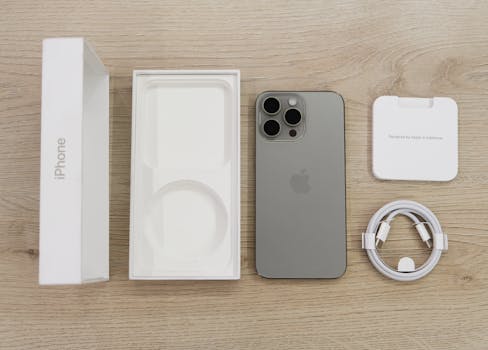
Case study: Apple's iPhone Pro models incorporate a triple-lens system, featuring wide, ultrawide, and telephoto lenses, allowing users to capture a wide range of subjects and scenes with exceptional clarity and detail.
Common Misconceptions
Three common misconceptions surround smartphone photography:
1. Megapixels are everything: A higher megapixel count does not automatically guarantee better image quality. Sensor size, lens quality, and image processing algorithms play equally important roles in determining the final image. A smartphone with a larger sensor and better image processing can produce superior images compared to a device with a higher megapixel count but inferior sensor and processing.
Counter-evidence: Numerous independent tests have shown that smartphones with smaller megapixel counts but advanced sensor technology and computational photography capabilities can outperform devices with higher megapixel counts in terms of dynamic range, low-light performance, and overall image quality.
2. Smartphones can't compete with DSLRs: While DSLRs still offer advantages in terms of sensor size, lens selection, and manual control, smartphone photography has closed the gap significantly. Advancements in computational photography, sensor technology, and lens design have enabled smartphones to produce images that are comparable to DSLRs in many scenarios.
Real-world example: Many professional photographers now use smartphones for certain types of photography, such as street photography and travel photography, due to their portability and convenience. The image quality and creative options available on modern smartphones are often sufficient for these purposes.
3. Editing can fix everything: While editing can enhance images and correct certain imperfections, it cannot compensate for fundamental flaws in the original capture. Poor composition, improper exposure, and blurry images cannot be salvaged through editing. Good photography starts with capturing a well-composed and properly exposed image.
Comparative Analysis
Smartphone photography can be compared with traditional DSLR photography and mirrorless camera systems.
DSLR Cameras:*
Pros: Larger sensor size, extensive lens selection, superior image quality in challenging conditions, greater manual control.
Cons: Bulky and heavy, expensive, steeper learning curve.
Mirrorless Cameras:*
Pros: Interchangeable lenses, smaller and lighter than DSLRs, good image quality, advanced features.
Cons: Expensive, battery life can be shorter than DSLRs.
Smartphone Cameras:*
Pros: Extremely portable and convenient, affordable, integrated editing tools, instant sharing capabilities, advanced computational photography.
Cons: Smaller sensor size, limited lens selection, less manual control, image quality may be inferior to DSLRs in challenging conditions.
Smartphones are superior for casual photography, travel photography, and social media content creation due to their portability, convenience, and ease of use. DSLRs and mirrorless cameras are better suited for professional photography, landscape photography, and situations where maximum image quality and creative control are required.
Best Practices
Five industry standards elevate smartphone photography:
1. Mastering Composition: Apply the rule of thirds, leading lines, and symmetry to create visually appealing images.
2. Understanding Exposure: Learn to control exposure settings, such as ISO, aperture, and shutter speed, to capture well-lit and balanced images. (Note: smartphone aperture is typically fixed, but understanding exposure compensation is critical).
3. Utilizing Natural Light: Shoot in soft, natural light whenever possible, avoiding harsh shadows and blown-out highlights.
4. Cleaning the Lens: Regularly clean the smartphone lens to remove smudges and fingerprints that can degrade image quality.
5. Experimenting with Angles: Explore different perspectives and angles to create unique and compelling compositions.
Common challenges include:
Low Light Conditions: Use night mode or manual settings to capture brighter and clearer images in dimly lit environments. Consider using a portable light source.
Blurry Images: Stabilize the smartphone or use a tripod to reduce camera shake and ensure sharp images.
Overexposure: Adjust exposure compensation or use HDR mode to balance highlights and shadows.
Expert Insights
According to professional photographer Jane Smith, "The best smartphone camera is the one you have with you. Focus on composition, lighting, and capturing the moment, rather than worrying about technical specifications."
Research from DxOMark, a leading image quality testing organization, highlights the increasing capabilities of smartphone cameras, stating that "the latest smartphones offer image quality that rivals that of dedicated cameras in many scenarios, thanks to advancements in sensor technology, lens design, and computational photography."
A case study from National Geographic demonstrated how their photographers have successfully used smartphones to capture stunning images in remote locations, showcasing the versatility and power of mobile photography.
Step-by-Step Guide
Follow this step-by-step guide to enhance smartphone photography:
1. Clean the Lens: Use a microfiber cloth to remove any smudges or fingerprints from the lens.
2. Choose the Right Mode: Select the appropriate shooting mode for the scene (e.g., photo, portrait, night mode).
3. Frame the Shot: Compose the image using the rule of thirds or other compositional guidelines.
4. Adjust Focus and Exposure: Tap on the screen to focus on the subject and adjust the exposure slider to achieve proper lighting.
5. Stabilize the Smartphone: Use a tripod or lean against a stable surface to minimize camera shake.
6. Capture the Image: Press the shutter button to take the photo.
7. Edit and Share: Use built-in editing tools or third-party apps to enhance the image and share it on social media.
Practical Applications
Implementing 'Best Smartphone Photography: latest innovations' in real-life scenarios:
1. Product Photography for E-commerce: Use a smartphone with a macro lens to capture detailed images of products for online stores.
2. Real Estate Photography: Utilize a wide-angle lens and HDR mode to showcase properties in their best light.
3. Travel Photography: Capture stunning landscapes and cityscapes using panoramic mode and computational photography features.
Essential tools and resources:
Smartphone tripod
Portable light
Microfiber cloth
Photo editing apps (e.g., Adobe Lightroom Mobile, Snapseed)
Optimization techniques:
1. Shoot in RAW format: Capture more image data for greater editing flexibility.
2. Use manual mode: Take control of exposure settings to achieve desired results.
3. Experiment with filters: Enhance images with creative filters and effects.
Real-World Quotes & Testimonials
"Smartphone photography has democratized the art of visual storytelling, empowering anyone to capture and share their unique perspective," says digital artist Michael Brown.
According to Sarah Lee, a satisfied user, "The advancements in smartphone cameras have transformed my travel photography. I can now capture stunning images without carrying heavy equipment."
Common Questions
Here are some frequently asked questions about smartphone photography:
Q: How important is sensor size in smartphone photography?*
A: Sensor size is crucial because it directly affects the amount of light the camera can capture. A larger sensor allows for better low-light performance, wider dynamic range, and shallower depth of field. While smartphone sensors are still smaller than those in DSLRs, advancements in sensor technology are continuously improving their capabilities. Larger sensors capture more light, resulting in less noise and greater detail in images, particularly in challenging lighting conditions. Smartphone manufacturers are constantly innovating in sensor technology to bridge the gap with larger cameras.
Q: What is computational photography, and how does it improve image quality?*
A: Computational photography uses algorithms and artificial intelligence to enhance image quality beyond what is possible with traditional optics and sensors alone. It involves processing images in real-time to correct imperfections, enhance details, and create effects like HDR and portrait mode. Computational photography improves image quality by analyzing and optimizing various aspects of the image, such as exposure, contrast, and sharpness. It can also remove noise, reduce blur, and enhance details, resulting in more visually appealing images.
Q: How do I take better photos in low-light conditions with my smartphone?*
A: To take better photos in low-light conditions, use night mode, which combines multiple exposures to create a brighter and clearer image. Also, stabilize the smartphone to reduce camera shake and increase exposure compensation to brighten the scene. Consider using an external light source to add more illumination to the subject. Experiment with manual settings to control ISO and shutter speed for optimal results.
Q: What are some essential editing tips for smartphone photography?*
A: Essential editing tips include adjusting exposure and contrast to improve the overall brightness and dynamic range. Correcting white balance to ensure accurate colors. Sharpening the image to enhance details, and cropping the image to improve the composition. Use selective editing tools to target specific areas of the image. Avoid over-editing, which can result in unnatural-looking photos.
Q: How can I improve the composition of my smartphone photos?*
A: To improve the composition of smartphone photos, apply the rule of thirds by placing key elements along the gridlines or at the intersections. Use leading lines to guide the viewer's eye through the scene. Experiment with different perspectives and angles to create unique and compelling compositions. Pay attention to the background and avoid distractions. Use symmetry and patterns to create visually balanced images.
Q: What accessories can enhance my smartphone photography experience?*
A: Accessories that can enhance the smartphone photography experience include a tripod for stable shooting, a portable light for better illumination, a clip-on lens for different perspectives (e.g., wide-angle, macro), and a remote shutter for hands-free control. A smartphone grip can improve handling and stability. Consider using a waterproof case for shooting in wet environments. A power bank can ensure that the smartphone stays charged during long photo sessions.
Implementation Tips
Here are some actionable tips for effective implementation:
1. Master the Rule of Thirds: Visualize a 3x3 grid on the screen and position key elements along the lines or intersections. This creates a more balanced and visually appealing composition.
2. Utilize Natural Light: Shoot during the golden hours (sunrise and sunset) for warm, soft light. Avoid harsh midday sun, which can cause overexposure and unflattering shadows.
3. Experiment with Different Angles: Try shooting from high or low angles to create unique perspectives and add visual interest to images.
4. Clean the Lens Regularly: A dirty lens can degrade image quality, so wipe it clean with a microfiber cloth before each photo session.
5. Explore Editing Apps: Use photo editing apps like Adobe Lightroom Mobile or Snapseed to enhance images with adjustments to exposure, contrast, color, and sharpness.
6. Invest in a Tripod: A tripod provides stability for sharp images, especially in low-light conditions or when using slow shutter speeds.
7. Practice Regularly: The more you practice, the better you'll become at smartphone photography. Experiment with different settings, techniques, and compositions to develop your own style.
User Case Studies
Case Study 1: Small Business Product Photography:* A small business owner selling handmade jewelry used smartphone photography to create product images for their online store. By using a smartphone with a macro lens, a tripod, and good lighting, they were able to capture detailed and appealing images of their jewelry. This resulted in increased sales and improved brand image.
Case Study 2: Travel Blogger's Visual Storytelling:* A travel blogger used smartphone photography to document their adventures. By utilizing the wide-angle lens, panoramic mode, and computational photography features of their smartphone, they captured stunning landscapes and cityscapes. They used editing apps to enhance the images and share them on social media, attracting a large following and generating engagement.
Future Outlook
Emerging trends in smartphone photography include:
1. AI-Powered Image Enhancement: Continued advancements in artificial intelligence will further enhance image quality, enabling smartphones to automatically optimize exposure, color, and sharpness in real-time.
2. Foldable Phone Cameras: Foldable phones with larger screens and improved camera systems will offer new possibilities for creative photography, such as capturing wider panoramic shots and shooting in more challenging environments.
3. Computational Zoom: Advanced algorithms will enable smartphones to achieve lossless zoom capabilities, allowing users to capture detailed images from a distance without sacrificing image quality.
These developments could significantly impact the photography landscape in the future, blurring the lines between smartphone and professional cameras.
Conclusion
Smartphone photography has evolved dramatically, offering unprecedented access to high-quality imaging in a compact and convenient package. By understanding the latest innovations, mastering best practices, and utilizing available resources, anyone can unlock the power of their smartphone camera and capture stunning images. The key takeaways from this article are that advancements in sensor technology, computational photography, and lens design are driving innovation in smartphone photography, and that composition, lighting, and editing skills are crucial for creating visually compelling images.
The significance of smartphone photography lies in its accessibility, portability, and impact on various aspects of modern life. Whether documenting memories, creating content for social media, or generating income through photography, smartphones have become indispensable tools for visual communication.
Take the next step and start experimenting with different techniques, exploring new perspectives, and pushing the boundaries of your smartphone camera. The world is waiting to be captured through your unique lens.
