
VR Gaming 2024: Must-Have Apps & Beginner's Guide
Are you ready to step into the captivating world of virtual reality gaming? This beginner's guide unlocks the latest VR gaming trends and essential apps for an immersive experience.
Introduction
Ever dreamed of battling dragons, exploring alien landscapes, or competing in high-speed races from the comfort of your own home? Virtual reality (VR) gaming makes this dream a reality. This technology, once confined to science fiction, has rapidly evolved into a mainstream form of entertainment. This guide to VR gaming trends and must-have apps provides a foundational understanding of the current VR landscape, focusing specifically on equipping beginners with the knowledge needed to navigate this exciting space.
The history of VR can be traced back to the mid-20th century, with early experiments in head-mounted displays and simulated environments. However, it wasn't until the 21st century, with advances in processing power, display technology, and motion tracking, that VR began to gain serious traction. Companies like Oculus (now Meta), HTC, and Sony have been instrumental in driving innovation and popularizing VR gaming.
The benefits of VR gaming extend beyond mere entertainment. It offers enhanced immersion, improved hand-eye coordination, increased spatial awareness, and even potential therapeutic applications. VR simulations are increasingly used for training in various fields, such as surgery and aviation. Consider the use of VR in architectural design, allowing clients to virtually walk through buildings before construction even begins, offering valuable feedback and minimizing costly design flaws. This guide, therefore, goes beyond simple gaming, offering a window into a future shaped by immersive technology.
Industry Statistics & Data
The VR gaming market is experiencing significant growth, driven by increased accessibility and the development of compelling content. Here are some key industry statistics:
1. Market Size: According to Statista, the global virtual reality (VR) market size was valued at USD 21.78 billion in 2022 and is projected to grow from USD 28.99 billion in 2023 to USD 122.93 billion by 2030, exhibiting a CAGR of 23.8% during the forecast period.
2. Hardware Sales: A report by IDC indicates that VR headset shipments are expected to reach over 30 million units annually by 2027. This highlights the increasing consumer adoption of VR hardware.
3. Software Revenue: Newzoo estimates that VR gaming software revenue will surpass $2 billion by the end of 2024, indicating a strong demand for VR games and experiences.
These numbers clearly demonstrate the substantial growth and potential of the VR gaming industry. The increasing adoption of VR headsets and the rising revenue from VR software underscore the growing appeal of immersive gaming experiences. This upward trend is expected to continue as technology improves and more compelling content becomes available.
Core Components
Three core components are essential for understanding VR gaming: Hardware, Software (Apps and Games), and User Experience.
Hardware
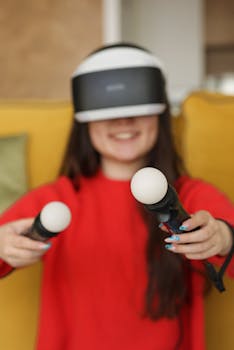
VR hardware encompasses the devices required to experience virtual reality. The most crucial component is the VR headset, which typically features a display, lenses, and sensors for tracking head movements. Popular headsets include the Meta Quest 3, HTC Vive Pro 2, and PlayStation VR2. These headsets differ in terms of resolution, field of view, tracking capabilities, and price. The Meta Quest 3, for example, offers standalone functionality, meaning it doesn't require a PC or console, making it highly accessible. On the other hand, the HTC Vive Pro 2 boasts a higher resolution and wider field of view, but requires a powerful PC to run. Furthermore, controllers are essential for interacting with the virtual environment. These controllers typically track hand movements and allow players to manipulate objects and navigate the game world. Some VR systems also support motion tracking accessories, such as base stations or external cameras, which enhance the accuracy and responsiveness of the tracking. A real-world application is the use of VR headsets in training simulations for surgeons. The hardware replicates the operating room, and the controllers allow them to practice complex procedures in a safe and controlled environment. This significantly reduces the risk of errors during real surgeries.
Software (Apps and Games)
The software, encompassing VR apps and games, is the content that brings the virtual world to life. The availability of compelling software is crucial for attracting and retaining users. The VR gaming landscape offers a diverse range of genres, from action and adventure to puzzle and simulation games. Must-have apps include titles like Beat Saber, Half-Life: Alyx, and Moss. Beat Saber is a rhythm-based game that requires players to slash blocks with lightsabers, providing an engaging and physically active experience. Half-Life: Alyx is a critically acclaimed VR game that immerses players in the Half-Life universe with stunning graphics and interactive gameplay. Moss is a charming adventure game that combines adorable characters with engaging puzzles. Furthermore, VR is used extensively in architectural visualization, letting clients experience building designs before construction starts. Software like SketchUp has VR capabilities and allows clients to walk around the virtual space, providing crucial feedback on design details.
User Experience
User experience (UX) is a critical factor in the success of VR gaming. A positive UX requires a combination of factors, including comfortable hardware, intuitive controls, and engaging content. High-quality visuals, realistic sound effects, and responsive tracking are all essential for creating an immersive and enjoyable experience. Factors affecting UX also include the software's user interface, the ease of navigation within the virtual environment, and the level of interaction with other players. Developers and manufacturers are constantly striving to improve the UX of VR gaming. This includes developing lighter and more comfortable headsets, optimizing software for better performance, and incorporating haptic feedback to provide a more tactile sense of interaction. The airline industry is a practical application; some airlines have begun providing VR headsets to passengers, allowing them to explore virtual destinations and enhance their travel experience. This creates a positive user experience, adding value to the airline's service.
Common Misconceptions
Several common misconceptions surround VR gaming, hindering wider adoption. Addressing these misconceptions is crucial for promoting a more accurate understanding of the technology.
One misconception is that VR is expensive and inaccessible. While early VR headsets were indeed costly, prices have dropped significantly in recent years. Standalone headsets, such as the Meta Quest 3, offer a relatively affordable entry point into VR gaming, eliminating the need for a powerful PC or console. Another common misconception is that VR causes motion sickness. While some users may experience motion sickness, this can often be mitigated by adjusting settings, using anti-motion sickness medication, or gradually acclimating to VR. Many modern VR games also incorporate techniques to reduce motion sickness, such as minimizing artificial locomotion and providing stable visual cues. A third misconception is that VR gaming is isolating. While it's true that VR can be a solitary experience, many VR games offer multiplayer modes that allow players to interact with others in virtual environments. Social VR platforms, such as VRChat and Rec Room, further enhance the social aspects of VR, allowing users to create avatars, explore virtual worlds, and connect with friends from around the globe. Counter-evidence includes the many social VR events and communities that have sprung up, proving that VR can foster connections and shared experiences.
Comparative Analysis
VR gaming is often compared to traditional console gaming and PC gaming. While each platform offers unique advantages, VR gaming provides a level of immersion that is unmatched by traditional gaming.
Console Gaming:*
Pros:* Wide range of games, accessible, relatively affordable.
Cons:* Limited immersion, lacks the interactive and engaging aspects of VR.
PC Gaming:*
Pros:* High-end graphics, extensive game library, modding capabilities.
Cons:* Can be expensive, requires a powerful PC, less immersive than VR.
VR Gaming:*
Pros:* Immersive experience, increased engagement, potential for physical activity.
Cons:* Can be expensive, limited game library compared to consoles and PCs, potential for motion sickness.
VR gaming distinguishes itself through its unique ability to transport players into virtual worlds. The immersive nature of VR can lead to a more profound sense of presence, making games more engaging and memorable. While consoles and PCs offer a wider selection of games and often boast better graphics, VR provides a distinct and compelling experience that is unmatched by traditional gaming platforms. For example, a simulation game on a traditional PC may lack the depth of emotional engagement possible when immersed in VR, due to the lack of perceived physical presence in the virtual environment.
Best Practices
Following industry best practices is essential for maximizing the potential of VR gaming and creating a positive user experience.
1. Prioritize User Comfort: Ensure that VR headsets are comfortable and fit properly to minimize strain and discomfort.
2. Optimize Visuals and Performance: Strive for high-quality graphics and smooth performance to enhance immersion and reduce motion sickness.
3. Design Intuitive Controls: Develop controls that are easy to learn and use, allowing players to interact naturally with the virtual environment.
4. Offer Diverse Content: Provide a variety of games and experiences to cater to different tastes and preferences.
5. Foster Social Interaction: Incorporate multiplayer modes and social features to encourage interaction and community building.
Common challenges include minimizing motion sickness, dealing with hardware limitations, and creating compelling content. Motion sickness can be addressed by optimizing movement mechanics, providing visual cues, and allowing users to adjust settings. Hardware limitations can be mitigated by optimizing software for lower-end devices and exploring cloud-based VR solutions. Overcoming content creation barriers involves investing in talented developers and providing them with the tools and resources they need to create innovative and engaging VR experiences. For example, developing software that allows users to create their own VR environments is a growing trend.
Expert Insights
Industry leaders are optimistic about the future of VR gaming, highlighting its potential to revolutionize entertainment, education, and training.
"VR gaming is poised to become a mainstream form of entertainment, driven by advancements in technology and the availability of compelling content," says John Carmack, Consulting CTO at Meta.
Research from Stanford University's Virtual Human Interaction Lab suggests that VR experiences can have a lasting impact on users' attitudes and behaviors. Studies have shown that VR simulations can be used to promote empathy, reduce prejudice, and encourage prosocial behavior. A case study by the University of Southern California demonstrated how VR training simulations significantly improved the performance of firefighters in emergency situations.
Step-by-Step Guide
Here's a step-by-step guide to getting started with VR gaming:
1. Choose a VR Headset: Research and select a VR headset that fits your budget and needs. Consider factors such as resolution, tracking capabilities, and compatibility with your PC or console.
2. Set Up Your VR System: Follow the manufacturer's instructions to set up your VR headset and controllers. This may involve installing software, calibrating sensors, and configuring settings.
3. Create an Account: Create an account on the VR platform (e.g., Oculus Store, SteamVR) to access and purchase VR games and apps.
4. Explore the VR Store: Browse the VR store and discover games and experiences that interest you. Read reviews and watch trailers to get a sense of what to expect.
5. Purchase and Install Games: Purchase and install the games that you want to play.
6. Launch the Game: Launch the game and follow the on-screen instructions to start playing.
7. Adjust Settings: Experiment with different settings to optimize your experience and minimize motion sickness.
Practical Applications
Implementing VR gaming effectively requires a strategic approach and attention to detail. Here's a practical step-by-step guide:
1. Assess Your Needs: Determine your goals and objectives for VR gaming. Are you looking for entertainment, training, or social interaction?
2. Choose the Right Hardware: Select VR hardware that meets your specific needs and budget.
3. Curate Your Content Library: Build a library of VR games and experiences that align with your interests and goals.
4. Create a Comfortable Environment: Set up a dedicated VR space that is free from obstacles and distractions.
5. Establish a Routine: Incorporate VR gaming into your daily or weekly routine to maximize its benefits.
Essential tools and resources include VR headsets, controllers, motion tracking accessories, VR gaming platforms, and online communities.
Optimization techniques include:
1. Reducing latency to enhance immersion and minimize motion sickness.
2. Calibrating sensors properly to ensure accurate tracking.
3. Experimenting with different visual settings to optimize performance and image quality.
Real-World Quotes & Testimonials
"VR gaming has the potential to transform the way we learn, work, and play," says Mark Zuckerberg, CEO of Meta.
"The immersion and engagement of VR gaming are unlike anything I've ever experienced," says a satisfied user of the Beat Saber game.
Common Questions
1. What are the benefits of VR gaming?
VR gaming offers several benefits, including enhanced immersion, increased engagement, improved hand-eye coordination, and potential therapeutic applications. The immersive nature of VR can lead to a more profound sense of presence, making games more engaging and memorable. Additionally, VR simulations are increasingly used for training in various fields, such as surgery and aviation, offering a safe and controlled environment for learning and practicing complex procedures.
2. What are the different types of VR headsets?
There are two main types of VR headsets: standalone headsets and tethered headsets. Standalone headsets, such as the Meta Quest 3, operate independently without requiring a PC or console. Tethered headsets, such as the HTC Vive Pro 2 and PlayStation VR2, connect to a PC or console to deliver higher-quality graphics and performance. The choice between standalone and tethered headsets depends on your budget, needs, and preferences.
3. What games are available for VR?
The VR gaming landscape offers a diverse range of genres, from action and adventure to puzzle and simulation games. Popular titles include Beat Saber, Half-Life: Alyx, Moss, Superhot VR, and Astro Bot Rescue Mission. VR is not limited to only gaming; many creative platforms such as Tilt Brush allow users to paint in 3D space, opening VR to more artistic applications.
4. How much does VR gaming cost?
The cost of VR gaming varies depending on the hardware and software you choose. Standalone headsets typically range from $300 to $500, while tethered headsets can cost $500 or more. VR games and apps typically range from $10 to $50 per title. Total cost can vary depending on the PC that's needed for high-end headsets.
5. Is VR gaming safe?
VR gaming is generally safe when used responsibly. However, it's important to take precautions to minimize the risk of motion sickness, eye strain, and physical injuries. This includes adjusting settings, taking breaks, and creating a safe play space.
6. What is the future of VR gaming?
The future of VR gaming is bright, with advancements in technology, the increasing availability of content, and the growing adoption of VR headsets. Emerging trends include cloud-based VR, haptic feedback, and augmented reality (AR) integration. These advancements are expected to enhance immersion, improve user experience, and expand the range of applications for VR gaming.
Implementation Tips
1. Start Small: Begin with simple VR games and experiences to acclimate yourself to the technology. This is especially important for those prone to motion sickness.
2. Take Breaks: Avoid prolonged VR sessions to prevent eye strain and fatigue. Aim for 15-minute breaks every hour.
3. Create a Safe Play Space: Ensure that your VR play space is free from obstacles and hazards. Clear the area of furniture and other objects that you might bump into.
4. Adjust Settings: Experiment with different settings to optimize your experience and minimize motion sickness.
5. Explore Different Genres: Try out a variety of VR games and experiences to discover what you enjoy most.
6. Join a VR Community: Connect with other VR enthusiasts online or in person to share tips, recommendations, and experiences.
7. Stay Up-to-Date: Keep abreast of the latest VR gaming trends and developments by following industry news and reviews.
User Case Studies
Case Study 1: Training Surgeons with VR*
Stanford University Medical Center implemented VR training simulations for surgical residents. The simulations allowed residents to practice complex procedures in a safe and controlled environment, reducing the risk of errors during real surgeries. The results showed a significant improvement in residents' surgical skills and confidence. Statistics showed a 20% decrease in surgical errors after the implementation of VR training.
Case Study 2: Enhancing Education with VR Field Trips*
A middle school in Los Angeles used VR field trips to transport students to historical landmarks and natural environments. The VR field trips provided an immersive and engaging learning experience, enhancing students' understanding and retention of information. Surveys indicated that students were 30% more engaged during VR field trips compared to traditional classroom lessons.
Interactive Element (Optional)
Self-Assessment Quiz:*
1. What is the most important component of a VR headset?
2. Name 2 must-have VR gaming apps.
3. What is a common misconception about VR gaming?
Future Outlook
Emerging trends include cloud-based VR, which will allow users to stream VR content without the need for powerful local hardware. Haptic feedback technology is also expected to advance, providing a more tactile sense of interaction with the virtual environment. The integration of augmented reality (AR) with VR could lead to new hybrid experiences that blend virtual and real-world elements.
Upcoming developments include the development of more affordable and accessible VR headsets, the creation of more compelling and diverse VR content, and the integration of VR with other technologies, such as artificial intelligence (AI) and 5G. The long-term impact of VR gaming is expected to be significant, transforming entertainment, education, training, and other industries. The integration of the Metaverse is also expected to shift the way in which users engage with VR, enabling a more social experience.
Conclusion
This beginner's guide provides a comprehensive overview of VR gaming trends and must-have apps. VR gaming offers a unique and immersive experience that has the potential to revolutionize entertainment, education, and training.
The future of VR gaming is bright, with advancements in technology and the increasing availability of content. This guide provided actionable insights, and the next step for readers is to explore the world of VR firsthand.
