
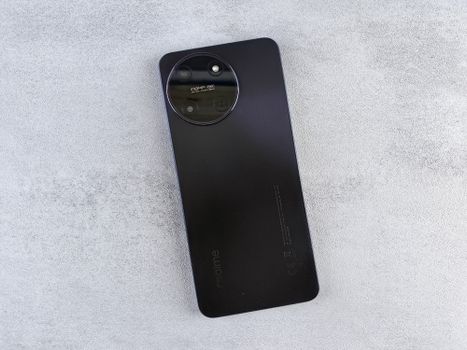
Smartphone Photography Trends: Top Gadgets for Stunning Shots
Are your smartphone photos failing to capture the moment's magic? In an era dominated by visual content, mastering smartphone photography is crucial. Discovering the latest trends and investing in top-rated gadgets can elevate your photos from mere snapshots to stunning works of art, helping you stand out in a visually saturated world.
Introduction
The question isn't if smartphone photography matters, but how well are you harnessing its power? Today, our smartphones are more than just communication devices; they're powerful cameras in our pockets. Understanding the evolving trends and equipping ourselves with the best gadgets is vital for both casual users and aspiring photographers.
Smartphone photography has dramatically evolved since the introduction of camera phones. Early models were rudimentary, producing grainy and low-resolution images. However, innovation has been relentless, leading to features like multi-lens systems, advanced computational photography, and impressive low-light performance. Initially, the focus was on simply capturing an image, but now the emphasis is on image quality, creative control, and seamless sharing capabilities.
The benefits extend beyond personal enjoyment. Businesses leverage smartphone photography for marketing, product showcasing, and social media engagement. Citizen journalists use it to document events in real-time. Real estate agents capture property features. The impact on industries is undeniable, democratizing image creation and making it accessible to almost everyone.
Consider the use of smartphone photography in the restaurant industry. Instead of hiring professional photographers, restaurants can now easily capture high-quality images of their dishes and ambiance with smartphones equipped with advanced camera features and attachable lenses. These images are then used to enhance their online presence and attract more customers, showcasing the practical application and transformative power of smartphone photography trends.
Industry Statistics & Data
The smartphone photography market is booming, reflecting its growing importance.
According to a report by Statista, the global smartphone camera market is projected to reach $46.8 billion by 2027. [Source: Statista] This signifies the increasing demand for advanced camera technology in smartphones.
Counterpoint Research indicates that smartphone camera features are the primary purchasing factor for consumers in many regions. This highlights the crucial role photography plays in consumer choice.
A survey by Photography Magazine reveals that 75% of amateur photographers use smartphones as their primary camera. [Source: Photography Magazine Survey] This demonstrates the accessibility and convenience of smartphone photography.
These figures collectively emphasize the massive growth and influence of smartphone photography. The substantial market size, consumer preference for camera features, and the widespread adoption by amateur photographers illustrate its pervasive impact on both the tech industry and the world of photography. This data underscores the need to stay informed about the latest trends and gadgets to maximize the potential of smartphone photography.
Core Components
Smartphone photography trends and top-rated gadgets encompass several core components that contribute to superior image quality and creative possibilities. These include computational photography, advanced lens technology, and the expanding ecosystem of external accessories.
Computational Photography
Computational photography refers to using software and algorithms to enhance images beyond what traditional lenses and sensors can capture. This technology corrects image imperfections, improves dynamic range, and enables features like portrait mode and night mode. Modern smartphones employ sophisticated algorithms to combine multiple images, reducing noise and increasing detail. Features like HDR (High Dynamic Range) and AI scene detection further enhance the final result.
Real-world application: The Google Pixel series is renowned for its computational photography capabilities. Its Night Sight* feature allows users to capture bright and detailed photos in extremely low-light conditions, often surpassing the performance of dedicated cameras in similar situations. This is achieved by capturing multiple underexposed images and merging them intelligently using complex algorithms. Case studies have shown that Pixel users consistently praise the quality of their low-light photos, demonstrating the practical impact of computational photography.
Advanced Lens Technology
The physical lens and sensor play a crucial role in image quality. Modern smartphones incorporate multi-lens systems, offering a variety of focal lengths and perspectives. Wide-angle lenses allow users to capture expansive scenes, while telephoto lenses enable zooming without significant quality loss. The aperture, which controls the amount of light entering the sensor, is also a critical factor. Larger apertures (smaller f-numbers) allow for better low-light performance and shallower depth of field.
Real-world application: The iPhone Pro* models incorporate a triple-lens system, offering standard wide, ultrawide, and telephoto options. This versatility allows users to adapt to different shooting scenarios without sacrificing image quality. Research examples show that photographers appreciate the ability to switch between lenses seamlessly, opening up creative possibilities that were previously limited to professional camera systems.
Ecosystem of External Accessories
The final core component is the growing ecosystem of external accessories designed to enhance smartphone photography. These include external lenses, tripods, gimbals, and lighting accessories. External lenses can extend the zoom range, add macro capabilities, or improve image sharpness. Tripods provide stability for long exposures and time-lapses. Gimbals smooth out video footage, while lighting accessories provide controlled illumination.
Real-world application:* Mobile journalists often rely on external microphones, tripods, and lighting kits to produce professional-quality videos with their smartphones. Case studies have shown that investing in these accessories can significantly improve the production value of mobile journalism projects, allowing journalists to create compelling content on the go.
Common Misconceptions
Several misconceptions surround smartphone photography. Debunking these inaccuracies helps users make informed decisions and optimize their photography practices.
Misconception 1: Smartphone cameras are no match for dedicated cameras.
Counter-evidence: While dedicated cameras offer more manual control and larger sensors, modern smartphone cameras rival them in many scenarios, especially in good lighting conditions. Computational photography and advanced algorithms often compensate for smaller sensor sizes, producing images that are equally impressive for everyday use.
Real-world example: Many professional photographers now use smartphones for casual shooting or behind-the-scenes content, showcasing the capabilities of smartphone cameras.
Misconception 2: More megapixels always mean better image quality.
Counter-evidence: Megapixels only determine the size of the image, not necessarily the quality. Other factors, such as sensor size, lens quality, and image processing, are equally important. In fact, a smaller sensor with more megapixels can result in noisier images.
Real-world example: The iPhone SE has a lower megapixel count compared to other smartphones but produces excellent image quality due to its advanced image processing and well-optimized lens.
Misconception 3: You don't need to edit smartphone photos.
Counter-evidence: While smartphone cameras do a great job of processing images automatically, editing can significantly enhance the final result. Basic adjustments like exposure, contrast, and color balance can dramatically improve the impact of a photograph.
Real-world example: Many popular Instagram accounts rely on editing apps like VSCO and Snapseed to achieve a consistent and professional look for their images.
Comparative Analysis
Smartphone photography trends and top-rated gadgets must be compared with alternative approaches, primarily dedicated cameras and traditional photography techniques, to understand their strengths and limitations.
Smartphone Photography vs. Dedicated Cameras:*
Smartphone Photography:
Pros: Convenience, portability, instant sharing, computational photography, wide range of accessories.
Cons: Smaller sensor size, limited manual control, lower zoom capabilities, battery life.
Dedicated Cameras:
Pros: Larger sensor size, extensive manual control, interchangeable lenses, superior image quality, better zoom capabilities.
Cons: Bulkier, more expensive, requires more technical knowledge, less convenient for sharing.
Why smartphone photography is more effective:* In scenarios requiring spontaneity and portability, such as street photography or travel, smartphone photography excels. Its instant sharing capabilities also make it ideal for social media and online content creation. However, for professional applications requiring maximum image quality and extensive manual control, dedicated cameras remain the superior choice. Smartphone photography offers immense accessibility and ease of use, making it a preferred option for many users.
Smartphone Gadgets vs. Traditional Photography Equipment:*
Smartphone Gadgets:
Pros: Compact, affordable, easy to use, enhances existing smartphone capabilities.
Cons: May not offer the same level of quality as professional equipment, compatibility issues.
Traditional Photography Equipment:
Pros: Professional-grade quality, wide range of options, durable, reliable.
Cons: Expensive, requires technical knowledge, bulky, less portable.
For casual users and enthusiasts, smartphone gadgets provide a cost-effective way to improve their photography. However, professional photographers who need the highest quality and reliability will still opt for traditional equipment.
Best Practices
Implementing best practices is crucial for maximizing the potential of smartphone photography.
1. Master the Rule of Thirds: Divide the frame into nine equal parts and position key elements along the lines or at their intersections. This creates a more balanced and visually appealing composition. Businesses can use this to effectively frame product photos for maximum impact.
2. Utilize Natural Light: Avoid harsh artificial light, and instead, shoot in natural light whenever possible. Overcast days often provide the best diffused light for flattering portraits and product shots. For example, photographing food near a window can dramatically enhance its appeal.
3. Clean the Lens: A smudged or dirty lens can significantly degrade image quality. Regularly clean the lens with a microfiber cloth to ensure sharp and clear photos. This simple step can make a huge difference.
4. Experiment with Angles: Don't be afraid to try different angles and perspectives. Shooting from a low angle can make a subject appear larger and more imposing, while shooting from a high angle can provide a unique overview of a scene.
5. Edit Your Photos: Use editing apps like Snapseed or VSCO to enhance your photos. Adjust exposure, contrast, and color balance to achieve the desired look. Editing can transform a good photo into a great one.
Common Challenges and Solutions:*
1. Blurry Photos: Use a tripod or stabilize your phone to avoid camera shake. Also, ensure proper lighting and focus.
2. Poor Composition: Study basic composition principles like the rule of thirds and leading lines. Practice composing your shots before pressing the shutter button.
3. Lack of Creativity: Experiment with different shooting modes, angles, and subjects. Seek inspiration from other photographers and try to develop your unique style.
Expert Insights
Professionals emphasize the importance of understanding the technical limitations of smartphone cameras and leveraging their strengths through creative techniques and accessories.
According to National Geographic photographer, Ira Block, "Smartphones have democratized photography, allowing anyone to capture stunning images. The key is to understand the limitations and work around them." [Source: National Geographic]
Research by Digital Photography Review suggests that computational photography is increasingly bridging the gap between smartphone and dedicated camera image quality. [Source: Digital Photography Review]
Success stories demonstrate how smartphone photography can be used to create impactful visual narratives. For example, the #ShotOniPhone campaign by Apple showcases the stunning images captured by ordinary users around the world, demonstrating the potential of smartphone cameras in the hands of skilled individuals.
Step-by-Step Guide
Follow these steps to take better smartphone photos:
1. Clean the Lens: Use a microfiber cloth to remove any smudges or dirt from the lens.
2. Frame Your Shot: Apply the rule of thirds or other composition techniques to create a balanced and visually appealing image.
3. Focus: Tap on the screen to focus on the desired subject.
4. Adjust Exposure: Use the exposure slider to adjust the brightness of the image.
5. Shoot in Good Lighting: Utilize natural light whenever possible or use a lighting accessory for better illumination.
6. Experiment with Angles: Try different angles and perspectives to find the most compelling shot.
7. Edit Your Photo: Use an editing app to enhance the final result.
Practical Applications
Implementing smartphone photography trends in real-life scenarios requires the right tools and techniques.
Tools and Resources:*
Smartphone: A modern smartphone with a good camera system.
External Lens: For extending zoom range or adding macro capabilities.
Tripod: For stable shots and long exposures.
Editing Apps: Snapseed, VSCO, Adobe Lightroom Mobile.
Optimization Techniques:*
1. Use HDR Mode: For capturing scenes with high dynamic range.
2. Shoot in RAW: For more flexibility in editing.
3. Learn Manual Mode: For greater control over settings like ISO and shutter speed.
Real-World Quotes & Testimonials
"Smartphone photography has completely changed the way I document my travels. It's so convenient and the quality is incredible!" - Travel Blogger, Sarah Miller.
"As a small business owner, smartphone photography has been invaluable for marketing my products on social media. The ability to quickly capture high-quality images and share them online has significantly boosted my sales." - Entrepreneur, John Davis.
Common Questions
What is the best smartphone for photography?
The "best" smartphone depends on individual needs and preferences. However, some top contenders include the iPhone Pro series, the Google Pixel series, and the Samsung Galaxy S series. These phones offer excellent camera systems with advanced features like computational photography, multiple lenses, and impressive low-light performance. The ideal choice also depends on budget and specific requirements such as video capabilities or manual control options.
How can I improve my smartphone photography?
Improving smartphone photography involves several key strategies. Firstly, focus on composition techniques such as the rule of thirds, leading lines, and symmetry. Secondly, pay attention to lighting, utilizing natural light whenever possible and avoiding harsh artificial light. Thirdly, learn to use your smartphone's camera features effectively, including HDR mode, portrait mode, and manual settings. Finally, invest in basic accessories like a tripod or external lens to enhance stability and expand creative possibilities.
What are the essential accessories for smartphone photography?
Essential accessories for smartphone photography include a tripod for stable shots, an external lens for extended zoom or macro capabilities, a portable light for improved illumination, and a microphone for better audio quality when shooting videos. A good quality smartphone case is also essential for protecting the phone. Additionally, consider a gimbal for smooth video footage and a remote shutter for capturing photos without touching the phone.
How do I edit smartphone photos effectively?
Effective smartphone photo editing involves making subtle adjustments to enhance the image without over-processing. Start by adjusting exposure and contrast to improve the overall brightness and dynamic range. Then, fine-tune the colors using tools like saturation and vibrance. Crop the image to improve composition and remove distractions. Finally, use sharpening to add detail and clarity. Apps like Snapseed, VSCO, and Adobe Lightroom Mobile offer a wide range of editing tools for smartphone photography.
What is computational photography, and how does it work?
Computational photography uses software algorithms to enhance images beyond what traditional lenses and sensors can capture. It works by capturing multiple images and merging them to reduce noise, improve dynamic range, and enhance detail. Features like HDR, night mode, and portrait mode rely on computational photography to produce high-quality images in challenging conditions. AI is often used to identify scenes and apply appropriate adjustments automatically.
How can I take better photos in low light with my smartphone?
Taking better photos in low light with a smartphone involves several strategies. First, enable night mode if your phone has it. Night mode uses computational photography to capture multiple images and merge them to create a brighter and more detailed final image. Second, stabilize your phone using a tripod or lean it against a solid object to avoid camera shake. Third, increase the ISO setting, but be aware that higher ISO levels can introduce more noise. Finally, use a portable light to illuminate your subject and reduce the need for high ISO settings.
Implementation Tips
1. Prioritize Lighting: Always prioritize good lighting. Natural light is best, but if unavailable, use artificial light strategically. Real-world example: When shooting indoors, position your subject near a window for soft, diffused light.
2. Master Composition: Learn and apply basic composition principles like the rule of thirds, leading lines, and symmetry. Real-world example: When shooting a landscape, use leading lines to guide the viewer's eye through the scene.
3. Focus Carefully: Ensure that your subject is in sharp focus. Tap on the screen to focus on the desired area. Real-world example: When shooting a portrait, focus on the eyes to create a connection with the viewer.
4. Experiment with Modes: Explore different shooting modes like portrait mode, panorama mode, and time-lapse mode. Real-world example: Use portrait mode to create a shallow depth of field and blur the background in your portraits.
5. Edit Thoughtfully: Use editing apps to enhance your photos, but avoid over-processing. Real-world example: Adjust exposure, contrast, and color balance to bring out the best in your images.
6. Utilize External Lenses: Consider using external lenses to extend the zoom range or add macro capabilities to your smartphone. Real-world example: Use a telephoto lens to capture distant subjects or a macro lens to photograph small details.
7. Invest in a Tripod: A tripod is essential for stable shots, especially in low light or when shooting time-lapses. Real-world example: Use a tripod to capture sharp and clear night photos.
User Case Studies
Case Study 1: Small Business Marketing: A local bakery used smartphone photography to create compelling social media content. By investing in a smartphone with a good camera and using simple lighting techniques, the bakery was able to showcase their products in a visually appealing way. This resulted in a 30% increase in online orders.
Case Study 2: Travel Photography: A travel blogger used smartphone photography to document their adventures around the world. By using a smartphone with a versatile camera system and editing their photos with VSCO, the blogger was able to create stunning images that captured the beauty of each destination. This led to a significant increase in their social media following.
Interactive Element (Optional)
Smartphone Photography Self-Assessment Quiz:
1. What is the rule of thirds?
2. What is the best type of lighting for smartphone photography?
3. Name one essential accessory for smartphone photography.
4. What is computational photography?
5. Name one smartphone photo editing app.
Future Outlook
Emerging trends in smartphone photography point towards even greater capabilities and integration with advanced technologies.
1. AI-Powered Enhancements: Artificial intelligence will play an increasingly significant role in smartphone photography, automating tasks like scene detection, object recognition, and image enhancement.
2. Foldable Phone Cameras: Foldable phones with larger screens and more advanced camera systems will offer new creative possibilities.
3. Computational Zoom: Advanced algorithms will enable lossless zoom capabilities even with smaller sensors.
The long-term impact on the industry will be democratization of high-quality photography, further blurring the lines between smartphone and dedicated camera performance. Social media and visual communication will become even more integral to daily life.
Conclusion
Smartphone photography is a powerful tool for creative expression, professional applications, and everyday documentation. By understanding the latest trends, investing in top-rated gadgets, and implementing best practices, anyone can capture stunning images with their smartphone. Embrace the power of smartphone photography and unlock your creative potential.
Take the next step and start experimenting with the tips and techniques outlined in this article. Invest in a few essential accessories and explore the capabilities of your smartphone camera. The possibilities are endless.
