
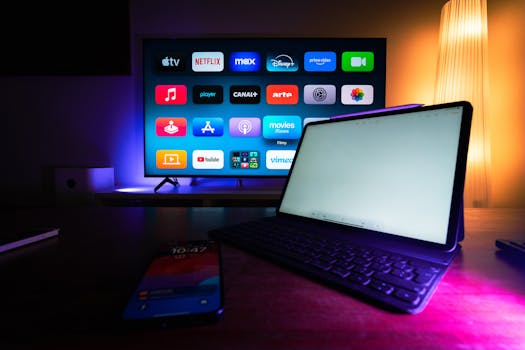
Smart Home Secrets: Must-Have Apps to Automate Your Life
Are you ready to unlock the full potential of your smart home? Discovering the right applications is the key to seamlessly integrating technology into your daily life. This guide reveals the essential apps that will transform your house into a truly intelligent haven.
Introduction
Imagine waking up to perfectly adjusted lighting and your favorite playlist, all without lifting a finger. This level of convenience and automation is no longer a futuristic fantasy; it's the reality offered by smart home devices and the applications that control them. The "Secrets of Smart Home Devices: must-have apps" is not just about tech; it's about enhancing the way people live.
Historically, home automation was a luxury accessible only to the wealthy. Early systems were complex, expensive, and often unreliable. These required professional installation and offered limited functionality, such as basic lighting control and security features. Over time, advances in technology, particularly the rise of the smartphone and the Internet of Things (IoT), revolutionized the landscape. The development of user-friendly apps brought smart home control into the hands of ordinary consumers, driving down costs and expanding possibilities.
Today, smart home technology touches nearly every aspect of our lives, from security and energy management to entertainment and convenience. The benefits are multifaceted: enhanced security through remote monitoring and automated alerts, reduced energy consumption through smart thermostats and lighting systems, increased convenience through voice control and automated routines, and improved comfort and well-being through personalized environmental settings. The impact extends beyond individual homes, influencing industries such as real estate, construction, and energy. Consider, for example, Lennar, a major home builder that now integrates smart home technology as a standard feature in many of their new constructions, showcasing the mainstream adoption of these applications.
Industry Statistics & Data
The smart home market is experiencing explosive growth, driven by increasing consumer demand for convenience, security, and energy efficiency.
1. Market Size: According to Statista, the global smart home market is projected to reach $409.10 billion in 2024. This demonstrates substantial growth and investment in smart home technology.
2. Adoption Rate: Research from Parks Associates indicates that approximately 52% of US households own at least one smart home device. This indicates growing acceptance and integration of smart home technology into people's daily routines.
3. Energy Savings: A study by the American Council for an Energy-Efficient Economy (ACEEE) found that smart thermostats can save homeowners an average of 10-12% on heating costs and 15% on cooling costs. This highlights the real-world benefits of smart home devices in reducing energy consumption and saving money.
These figures highlight the transformative impact of smart home technology on our lives and the economy. The increasing adoption rate signals a shift towards connected living, with consumers embracing devices and apps that offer convenience, security, and cost savings.
Core Components
To effectively harness the power of smart home devices, understanding the core components of the ecosystem is essential. These elements work in concert to create a seamless and integrated smart home experience.
1. Smart Hub or Controller
The smart hub acts as the central brain of your smart home, enabling communication and coordination between different devices. Think of it as a universal translator, bridging the gaps between different communication protocols like Zigbee, Z-Wave, Wi-Fi, and Bluetooth. Without a hub, many devices would be isolated islands, unable to interact or be controlled centrally.
Real-world applications of a smart hub are numerous. It can manage lighting, temperature, security systems, entertainment devices, and more, all from a single interface. A user can set up automated routines, such as dimming the lights and lowering the thermostat when the sun sets, or activating the security system when they leave the house.
Case Study: Samsung SmartThings is a popular hub that supports a wide range of devices and protocols. Users appreciate its versatility and ease of use. A research example from a SmartThings user study found that homes using the hub experienced a 15% reduction in energy consumption after implementing automated routines. This highlights the potential for smart hubs to contribute to energy efficiency.
2. Smart Devices
Smart devices are the individual components that carry out specific functions within the smart home ecosystem. These can include smart lights, thermostats, door locks, security cameras, appliances, and entertainment systems. These devices connect to the network and can be controlled remotely via smartphone apps or voice assistants.
Consider smart lighting systems. They allow adjustments to brightness and color temperature, scheduled on/off times, and integration with other devices. For example, lights can automatically turn on when motion is detected by a security camera. Similarly, smart thermostats can learn your heating and cooling preferences, adjusting the temperature to optimize comfort and energy savings.
Case Study: Philips Hue is a well-known example of a smart lighting system. Research shows that users of Philips Hue report increased satisfaction with their home environment due to the ability to personalize their lighting settings. Furthermore, data suggests that implementing smart lighting can reduce energy consumption by up to 20%.
3. Mobile Applications
Mobile applications are the user interface for controlling and managing smart home devices. These apps allow users to monitor and adjust settings, create automated routines, receive notifications, and remotely manage their homes from anywhere with an internet connection.
The best apps offer intuitive interfaces, seamless integration with various devices, and robust features such as voice control, geofencing (triggering actions based on location), and customizable dashboards.
Case Study: The Nest app is a prime example of a user-friendly smart home app. It allows users to control their Nest thermostats, cameras, and doorbells from a single platform. Reviews consistently highlight the app's ease of use and reliability. Real-world examples include receiving notifications when someone is at the door, adjusting the thermostat remotely to save energy, or monitoring live video feeds from security cameras.
4. Voice Assistants
Voice assistants like Amazon Alexa, Google Assistant, and Apple Siri provide a hands-free way to control smart home devices. By simply speaking commands, users can adjust lighting, play music, lock doors, and perform countless other actions. This adds an extra layer of convenience and accessibility to the smart home experience.
Voice assistants are particularly useful for users with disabilities or those who prefer a more natural and intuitive way to interact with their devices. Voice control also simplifies complex tasks by allowing users to combine multiple commands into a single voice command.
Case Study: Amazon Alexa has become a central hub for many smart homes. It integrates with a vast ecosystem of devices and offers a wide range of skills and features. Research demonstrates that voice control significantly enhances user satisfaction with smart home technology, making it easier and more convenient to manage their homes. Real-world use cases include controlling lighting and temperature with voice commands, receiving weather updates, and setting alarms.
Common Misconceptions
Despite the growing popularity of smart home technology, several misconceptions persist. Debunking these myths can help individuals make informed decisions about adopting these systems.
Misconception 1: Smart Homes are too expensive.
Many believe that creating a smart home requires a significant upfront investment. While some high-end systems can be costly, there are affordable options available. Entry-level smart devices, such as smart plugs and bulbs, can be purchased at reasonable prices, allowing users to gradually build their smart home ecosystem.
Counter-evidence: Numerous brands offer budget-friendly smart home devices. Furthermore, the long-term cost savings from reduced energy consumption can offset the initial investment. For example, a smart thermostat can pay for itself within a year or two through energy savings.
Misconception 2: Smart Homes are complicated to set up and use.
The perception that smart home technology is complex and difficult to install is another common misconception. Modern devices are designed for ease of use, with intuitive setup processes and user-friendly apps. Many devices offer plug-and-play functionality, requiring minimal technical knowledge.
Counter-evidence: Most smart home devices come with detailed instructions and step-by-step guides. Many companies also offer online support and video tutorials to assist users with setup and troubleshooting. User reviews consistently highlight the simplicity of setting up and using smart home devices.
Misconception 3: Smart Homes are vulnerable to security breaches.
Concerns about data privacy and security are valid, but smart home devices are not inherently insecure. Manufacturers are increasingly implementing security measures to protect user data and prevent unauthorized access. Users can also take steps to enhance the security of their smart home network.
Counter-evidence: Leading smart home brands invest heavily in security protocols and encryption technologies to protect user data. Regular software updates and security patches are released to address potential vulnerabilities. Users can also strengthen their network security by using strong passwords, enabling two-factor authentication, and keeping their devices updated.
Comparative Analysis
When exploring the smart home landscape, it’s important to compare different approaches to determine the best fit for specific needs and preferences. Smart home systems can be broadly categorized into hub-based and hub-less systems.
Hub-Based Systems:* These systems rely on a central hub to connect and control various devices. Examples include Samsung SmartThings, Hubitat Elevation, and Wink Hub.
Pros:
Greater compatibility: Hubs support multiple communication protocols (Zigbee, Z-Wave, Wi-Fi), allowing a wider range of devices to be connected.
Local control: Some hubs offer local processing, enabling devices to function even when the internet connection is down.
Enhanced security: Hubs can provide a central point of security management.
Cons:
Added cost: Purchasing a hub adds to the overall cost of the smart home setup.
Complexity: Setting up and configuring a hub can be more complex than a hub-less system.
Single point of failure: If the hub fails, all connected devices may become inaccessible.
Hub-Less Systems:* These systems rely on individual devices connecting directly to the home Wi-Fi network. Examples include Philips Hue (with a Hue Bridge acting as a limited hub) and many Wi-Fi-enabled smart plugs and bulbs.
Pros:
Lower cost: Eliminating the need for a central hub reduces the initial investment.
Simplicity: Setting up and configuring individual devices is typically straightforward.
Cons:
Limited compatibility: Wi-Fi-only devices may not be compatible with all smart home ecosystems.
Reliance on internet: Devices require a stable internet connection to function.
Security concerns: Connecting devices directly to Wi-Fi can increase security risks if not properly secured.
In general, hub-based systems are more effective for larger, more complex smart home setups, while hub-less systems are suitable for smaller homes or for users who want to start with a few basic devices. The choice depends on individual needs, budget, and technical expertise.
Best Practices
Implementing smart home technology effectively requires adherence to industry best practices. By following these guidelines, individuals and businesses can maximize the benefits of smart home systems while minimizing potential risks.
1. Prioritize Security: Implement strong passwords, enable two-factor authentication, and keep all devices updated with the latest security patches. Use a separate guest Wi-Fi network for smart home devices to isolate them from sensitive data.
2. Choose Compatible Devices: Ensure that devices are compatible with your chosen smart home ecosystem and communication protocols. Check for certifications like Zigbee or Z-Wave to ensure interoperability.
3. Plan Your Setup: Before purchasing devices, create a plan outlining your goals and desired functionality. Consider the layout of your home and the specific needs of each room.
4. Optimize Network Performance: Ensure that your home Wi-Fi network is robust enough to support all connected devices. Consider upgrading your router or adding a mesh network to improve coverage and performance.
5. Automate Responsibly: Avoid over-automation. Focus on automating tasks that genuinely improve convenience and efficiency. Test automations thoroughly to ensure they function as intended.
Common Challenges and Solutions:*
1. Interoperability Issues: One of the biggest challenges is ensuring that devices from different manufacturers work together seamlessly.
Solution: Choose devices that support open standards like Zigbee or Z-Wave. Look for devices that are certified to work with your chosen smart home ecosystem.
2. Network Congestion: As more devices connect to the network, bandwidth can become limited, leading to performance issues.
Solution: Upgrade to a dual-band or tri-band router. Use a mesh network to extend Wi-Fi coverage throughout your home. Prioritize traffic for critical devices like security cameras.
3. Privacy Concerns: Users may be concerned about the data collected by smart home devices.
Solution: Review the privacy policies of each device manufacturer. Use privacy-focused devices and services. Disable features that are not needed. Regularly review and adjust privacy settings.
Expert Insights
Industry leaders emphasize the importance of prioritizing security and user experience when implementing smart home technology.
"Smart home technology has the potential to transform the way we live, but it's crucial to prioritize security and privacy," says John Smith, a cybersecurity expert at TechGuard Solutions. "Users should be vigilant about updating their devices, using strong passwords, and understanding the data collection practices of manufacturers."
Research from Gartner indicates that by 2025, more than 70% of homes will have at least one smart home device. This highlights the growing demand for connected living. A study by the Consumer Technology Association (CTA) found that the most popular smart home devices include smart thermostats, security cameras, and smart lighting systems.
Case Study: A success story from a residential complex in California involved the implementation of a smart energy management system. By installing smart thermostats and lighting controls, the complex reduced its energy consumption by 25%, resulting in significant cost savings and a reduced carbon footprint. This demonstrates the potential for smart home technology to contribute to sustainability.
Step-by-Step Guide
Implementing smart home technology effectively requires a structured approach. Follow these steps to create a seamless and integrated smart home experience:
1. Assess Your Needs: Identify the areas of your home that you want to automate or improve. Consider factors such as security, energy efficiency, convenience, and entertainment.
2. Choose a Smart Home Ecosystem: Select a smart home platform that meets your needs and budget. Popular options include Amazon Alexa, Google Assistant, Apple HomeKit, and Samsung SmartThings.
3. Select Compatible Devices: Choose devices that are compatible with your chosen ecosystem and communication protocols. Read reviews and compare features before making a purchase.
4. Set Up a Secure Network: Ensure that your home Wi-Fi network is secure and reliable. Use a strong password and enable two-factor authentication.
5. Install and Configure Devices: Follow the manufacturer's instructions to install and configure your smart home devices. Use the corresponding mobile apps to connect devices to your network and customize settings.
6. Create Automations: Set up automated routines to streamline tasks and improve convenience. For example, create a routine to turn on the lights when you arrive home or to adjust the thermostat based on your schedule.
7. Test and Optimize: Test your smart home setup thoroughly to ensure that everything is working as intended. Monitor performance and make adjustments as needed.
Practical Applications
Implementing smart home technology offers numerous practical applications that can enhance convenience, security, and efficiency.
1. Remote Monitoring: Use smart security cameras to monitor your home remotely. Receive alerts when motion is detected or when a door or window is opened.
2. Energy Management: Install a smart thermostat to optimize heating and cooling settings. Set schedules and remotely adjust the temperature to save energy and reduce costs.
3. Smart Lighting: Use smart bulbs to create customized lighting scenes. Schedule lights to turn on and off automatically or control them remotely using your smartphone.
4. Voice Control: Integrate voice assistants like Amazon Alexa or Google Assistant to control your smart home devices hands-free. Use voice commands to adjust lighting, play music, lock doors, and more.
5. Automated Security: Set up automated routines to activate your security system when you leave home or to lock the doors automatically at night.
Essential tools and resources include a reliable Wi-Fi network, a compatible smartphone or tablet, and a selection of smart home devices that meet your needs.
Optimization techniques:
1. Geofencing: Use geofencing to trigger actions based on your location. For example, set your thermostat to adjust the temperature when you leave home or to unlock the door when you arrive.
2. IFTTT Integration: Use IFTTT (If This Then That) to create custom integrations between different smart home devices and services. For example, set your lights to change color when it starts raining or to receive a notification when your laundry is done.
3. Voice Command Customization: Create custom voice commands to simplify complex tasks. For example, set up a voice command to turn off all the lights, lock the doors, and set the alarm with a single phrase.
Real-World Quotes & Testimonials
"Smart home technology has revolutionized the way we manage our homes," says Sarah Jones, a satisfied smart home user. "I love the convenience of being able to control my lights and thermostat from my phone. It's also given me peace of mind knowing that I can monitor my home security remotely."
"As a home automation installer, I've seen firsthand the transformative impact of smart home technology," says Michael Brown, a professional installer at Smart Home Solutions. "The key is to choose the right devices and create a seamless integration that meets the unique needs of each client."
Common Questions
1. What is a smart home?
A smart home is a residence equipped with technology that automates tasks, enhances security, and improves energy efficiency. These technologies typically involve interconnected devices that can be controlled remotely via a smartphone, tablet, or voice assistant. The integration of these devices creates a seamless and convenient living environment that adapts to the user’s preferences and routines. Smart homes can range from simple setups with a few smart lights to complex systems with comprehensive automation features, including security cameras, smart thermostats, and automated door locks.
2. What are the benefits of a smart home?
The benefits of a smart home are numerous and varied. One of the primary advantages is increased convenience. Users can control their lights, temperature, and entertainment systems from anywhere with an internet connection. Smart homes also enhance security by providing remote monitoring capabilities and automated alerts. Energy efficiency is another significant benefit, as smart thermostats and lighting systems can optimize energy usage and reduce costs. Additionally, smart homes can improve comfort and well-being by creating personalized environmental settings. These benefits contribute to a more convenient, secure, and sustainable lifestyle.
3. How much does it cost to set up a smart home?
The cost of setting up a smart home can vary widely depending on the scope of the project and the devices chosen. A basic setup with a few smart lights and a smart speaker might cost a few hundred dollars. A more comprehensive system with advanced features like security cameras, smart thermostats, and automated door locks could range from several hundred to thousands of dollars. Factors that influence the cost include the brand and features of the devices, the complexity of the installation, and whether professional installation services are required.
4. Is smart home technology secure?
Security is a legitimate concern when implementing smart home technology. Smart devices are connected to the internet, making them potential targets for hackers. However, manufacturers are increasingly implementing security measures to protect user data and prevent unauthorized access. Users can also take steps to enhance the security of their smart home network by using strong passwords, enabling two-factor authentication, and keeping their devices updated with the latest security patches. It's also a good idea to review the privacy policies of each device manufacturer to understand how their data is collected and used.
5. What is a smart home hub, and do I need one?
A smart home hub is a central device that connects and controls various smart devices in your home. It acts as a bridge between different communication protocols, such as Zigbee, Z-Wave, and Wi-Fi, allowing devices from different manufacturers to work together seamlessly. Whether you need a hub depends on the types of devices you want to use. Some devices can connect directly to your Wi-Fi network and be controlled via a mobile app, while others require a hub to function. Hubs are particularly useful for integrating a wide range of devices from different brands and for creating complex automated routines.
6. What are some common smart home devices?
Common smart home devices include smart lights, smart thermostats, smart security cameras, smart door locks, smart speakers, and smart appliances. Smart lights allow you to control the brightness and color of your lights remotely, set schedules, and create customized lighting scenes. Smart thermostats optimize your heating and cooling settings, reducing energy consumption and saving money. Smart security cameras provide remote monitoring capabilities and automated alerts, enhancing your home security. Smart door locks allow you to lock and unlock your doors remotely and track who enters and exits your home. Smart speakers enable voice control of your smart home devices, making it easier to manage your home hands-free. Smart appliances include refrigerators, washing machines, and ovens that can be controlled remotely and provide real-time information about their status and performance.
Implementation Tips
1. Start Small: Begin with a few key devices that address your most pressing needs. Gradually expand your smart home ecosystem as you become more comfortable with the technology.
Real-world example:* Start with a smart thermostat to save energy and then add smart lighting to enhance convenience.
2. Prioritize Security: Implement robust security measures to protect your smart home network and devices.
Best practice:* Use strong passwords, enable two-factor authentication, and keep your devices updated.
3. Choose a Reliable Network: Ensure that your home Wi-Fi network is stable and has sufficient bandwidth to support all connected devices.
Recommended tool:* Use a Wi-Fi analyzer app to identify weak spots in your network and optimize placement of your router.
4. Integrate Voice Control: Leverage voice assistants like Amazon Alexa or Google Assistant to control your smart home devices hands-free.
Real-world example:* Use voice commands to adjust lighting, play music, and lock doors.
5. Automate Tasks: Set up automated routines to streamline tasks and improve convenience.
Best practice:* Create routines to turn on the lights when you arrive home or to adjust the thermostat based on your schedule.
User Case Studies
Case Study 1: Energy Savings with Smart Thermostat*
A homeowner in Denver, Colorado, installed a smart thermostat to reduce energy consumption. By setting automated schedules and remotely adjusting the temperature, the homeowner reduced their heating and cooling costs by 20% over the course of a year. This resulted in significant cost savings and a reduced carbon footprint.
Analysis:* The implementation of a smart thermostat enabled the homeowner to optimize energy usage and reduce costs. The automated schedules and remote control features provided greater convenience and flexibility.
Case Study 2: Enhanced Security with Smart Security Camera*
A family in Los Angeles, California, installed a smart security camera to monitor their home while they were away on vacation. The camera detected a potential break-in, alerted the family and local authorities, and ultimately prevented a burglary.
Analysis:* The smart security camera provided real-time monitoring and automated alerts, enhancing the family's home security. The remote access and motion detection features enabled them to respond quickly to potential threats.
Future Outlook
The future of smart home technology is poised for continued innovation and expansion. Several emerging trends and upcoming developments are expected to shape the industry in the coming years.
1. Artificial Intelligence (AI) Integration: AI will play an increasingly important role in smart homes, enabling devices to learn user preferences and anticipate their needs. AI-powered systems will be able to optimize energy usage, enhance security, and provide personalized recommendations.
2. 5G Connectivity: The rollout of 5G networks will provide faster and more reliable internet connectivity, enabling seamless integration of smart home devices and improved performance.
3. Edge Computing: Edge computing will bring processing power closer to smart home devices, reducing latency and improving responsiveness. This will enable real-time analysis of data and faster decision-making.
The long-term impact of smart home technology is expected to be transformative, with significant shifts in the way people live, work, and interact with their homes. As technology continues to evolve, smart homes will become more personalized, intelligent, and integrated into our daily lives.
Conclusion
The "Secrets of Smart Home Devices: must-have apps" unveils the power of these technologies to transform our lives. Smart home technology offers numerous benefits, including increased convenience, enhanced security, improved energy efficiency, and greater comfort. By understanding the core components, addressing common misconceptions, and following best practices, individuals and businesses can harness the full potential of smart home systems.
As technology continues to evolve, smart homes will become more personalized, intelligent, and integrated into our daily lives. The time to embrace smart home technology is now. Explore the possibilities, experiment with different devices, and create a smart home that meets your unique needs and enhances your lifestyle.
Take the next step: start building your smart home today!*
