
PC Gaming Builds: Worth It? Best Practices & Building Guide
Introduction
Is building a PC for gaming truly worth the investment of time and money in today's market, or is purchasing a pre-built system a more sensible option? This question has become increasingly relevant as technology advances and the components market fluctuates. A deeper dive into PC gaming builds: best practices will offer insight into maximizing value and performance. The custom PC build is a journey – an exercise in optimizing your gaming experience.
The concept of building a PC has evolved dramatically. In the past, it was often seen as a necessity to achieve high-end gaming performance. Pre-built systems lagged behind significantly, forcing enthusiasts to piece together their own machines. Today, pre-built options have improved in quality and availability, presenting a genuine alternative. However, the customizability and control offered by building your own PC remain highly appealing.
One of the major benefits of building a gaming PC is the ability to tailor every aspect to your specific needs and budget. This allows for optimal performance in the games you play most frequently. You can choose components that complement each other, ensuring efficient power usage and cooling. Another benefit is the upgradeability. A well-built PC can be easily upgraded component by component over time, extending its lifespan and keeping it relevant for years to come.
The impact of custom PC building extends beyond individual gamers. It fosters a vibrant community of enthusiasts who share knowledge, troubleshoot problems, and push the boundaries of performance. This collective intelligence drives innovation in the PC hardware market. A great example of its application is in eSports, where professional gamers rely on custom-built PCs to deliver the highest possible framerates and responsiveness, providing them with a competitive edge.
Industry Statistics & Data
The gaming PC market is a substantial part of the overall gaming industry. Here are some key statistics:
1. Revenue: According to Statista, the global PC gaming hardware market is projected to reach $49.2 billion USD in 2024. This reflects a continued strong demand for PC gaming components.
2. Growth: A report by Newzoo indicates a projected annual growth rate of 3.6% for the PC gaming market, demonstrating its resilience and ongoing appeal.
3. Component Sales: Jon Peddie Research reports that GPU shipments, a critical component for gaming PCs, saw a significant increase in recent years, spurred by demand from gamers and other compute-intensive applications.
These numbers highlight the robustness of the PC gaming market. They indicate that building a gaming PC remains a popular choice, despite the increased availability of pre-built systems and gaming consoles. The demand for high-performance components is a testament to the desire of gamers to customize and optimize their gaming experience.
Core Components
Building a gaming PC involves several essential components, each playing a crucial role in overall performance. Let's delve into four core aspects.
Central Processing Unit (CPU)
The CPU is the brain of the PC, responsible for executing instructions and performing calculations. Its performance directly affects game frame rates and overall system responsiveness. Choosing the right CPU is crucial for achieving the desired gaming experience.
Application: CPUs with higher clock speeds and multiple cores are generally preferred for gaming. Games often benefit from the ability to utilize multiple cores for tasks like AI processing, physics calculations, and rendering. Overclocking the CPU, if supported, can further boost performance.
Real-World Example: Consider a game like Cyberpunk 2077, which demands significant processing power. A high-end CPU ensures smooth gameplay, especially in densely populated areas with complex AI.
Case Study: Tests performed by tech reviewers consistently show that newer CPU generations, such as the AMD Ryzen 7000 series or the Intel Core i9 series, provide noticeable performance gains in gaming compared to older generations.
Graphics Processing Unit (GPU)
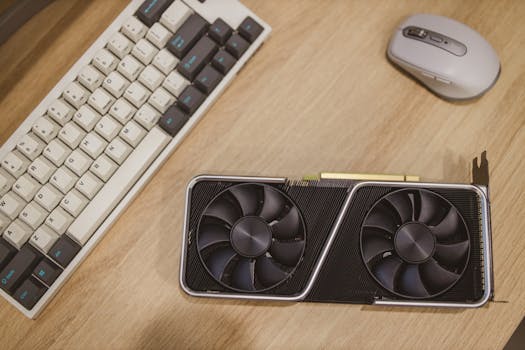
The GPU is responsible for rendering images and displaying them on the screen. It's arguably the most critical component for gaming, as it directly impacts visual fidelity and frame rates.
Application: High-end GPUs allow for higher resolutions, more detailed textures, and smoother gameplay. Features like ray tracing and DLSS (Deep Learning Super Sampling) enhance visual quality but require powerful GPUs.
Real-World Example: Games like Red Dead Redemption 2 showcase stunning visuals that require a high-end GPU to run at maximum settings without sacrificing performance.
Research: NVIDIA and AMD are constantly developing new GPU architectures that provide increased performance and efficiency. Research from tech sites show that each generation of GPUs brings significant improvements, making it worthwhile to upgrade every few years for the best gaming experience.
Random Access Memory (RAM)
RAM provides temporary storage for data that the CPU needs to access quickly. Sufficient RAM ensures smooth multitasking and prevents performance bottlenecks in games.
Application: 16GB of RAM is generally considered the sweet spot for modern gaming. Some games, especially those with large open worlds, may benefit from 32GB of RAM. Higher RAM speeds can also improve performance, particularly with AMD Ryzen processors.
Real-World Example: Games like Microsoft Flight Simulator require large amounts of RAM to load and process the complex world data. Insufficient RAM can lead to stuttering and long loading times.
Case Study: Tests indicate that increasing RAM from 8GB to 16GB can significantly improve frame rates in many games, especially those that are memory-intensive.
Storage Devices (SSD/NVMe)
Storage devices store the operating system, games, and other files. Solid State Drives (SSDs) and NVMe drives offer significantly faster loading times compared to traditional Hard Disk Drives (HDDs).
Application: An NVMe drive is recommended for the operating system and frequently played games to minimize loading times. SSDs are suitable for other games and applications. HDDs can be used for mass storage of less frequently accessed files.
Real-World Example: Games like Grand Theft Auto V can take several minutes to load from an HDD, while loading from an NVMe drive takes only seconds.
Research: Benchmarks consistently show that NVMe drives offer significantly faster read and write speeds compared to SSDs, resulting in faster boot times, game loading, and file transfers.
Common Misconceptions
Several misconceptions surround PC gaming builds, often leading to poor purchasing decisions. It is essential to debunk these myths to provide a clearer understanding of the process.
1. Misconception: More expensive components always equal better performance.
Counter-Evidence: This isn't always the case. Bottlenecks can occur when one component is significantly weaker than others. A powerful GPU paired with a weak CPU, for example, won't deliver the expected performance. Optimizing component compatibility is key.
Real-World Example: Spending excessively on a high-end GPU while neglecting the CPU or RAM will result in diminished returns. It's more effective to strike a balance and ensure all components work harmoniously.
2. Misconception: Pre-built PCs are always cheaper than building your own.
Counter-Evidence: While pre-built PCs can sometimes offer competitive pricing, particularly during sales, they often compromise on component quality or include less desirable parts to cut costs. Building your own PC allows for complete control over component selection.
Real-World Example: A pre-built PC might advertise a high-end GPU but pair it with a lower-quality motherboard or power supply. Building your own allows you to choose components from reputable brands that meet your specific requirements.
3. Misconception: Building a PC is extremely difficult and requires advanced technical skills.
Counter-Evidence: While it may seem daunting at first, building a PC is surprisingly accessible with the abundance of online resources, tutorials, and guides available. Many components are designed for easy installation, and the process is often likened to assembling Lego.
Real-World Example: There are numerous YouTube channels dedicated to PC building, providing step-by-step instructions and troubleshooting tips for beginners. These resources make the process much less intimidating.
Comparative Analysis
Let's compare building a PC with purchasing a pre-built system or using a gaming console, analyzing the pros and cons of each.
Custom PC Build:*
Pros:
Customization: Complete control over component selection, allowing for optimal performance and compatibility.
Upgradeability: Easy to upgrade individual components as needed, extending the lifespan of the system.
Cost Savings (Potentially): Can potentially save money by selecting components based on budget and performance requirements.
Cons:
Time and Effort: Requires time to research components, assemble the system, and troubleshoot any issues.
Potential for Compatibility Issues: Need to ensure all components are compatible with each other.
Warranty Considerations: Individual component warranties instead of a single warranty for the entire system.
Pre-built PC:*
Pros:
Convenience: Ready to use out of the box, requiring minimal setup.
Warranty: Single warranty covering the entire system.
Potentially Lower Cost (During Sales): Can sometimes offer competitive pricing during sales events.
Cons:
Limited Customization: Limited control over component selection.
Compromised Component Quality: May compromise on component quality to cut costs.
Less Upgradeability: Upgrading individual components may be more difficult or limited.
Gaming Console:*
Pros:
Simplicity: Easy to set up and use, designed for casual gamers.
Cost-Effective: Generally cheaper than building or buying a high-end gaming PC.
Exclusive Games: Access to exclusive game titles not available on PC.
Cons:
Limited Customization: No control over hardware or software.
Less Versatile: Primarily designed for gaming, with limited functionality for other tasks.
Lower Performance: Generally lower performance compared to a high-end gaming PC.
Building a PC offers superior customization and upgradeability, making it ideal for enthusiasts who want complete control over their gaming experience. Pre-built systems offer convenience but may compromise on component quality. Gaming consoles provide simplicity and cost-effectiveness but lack the versatility and performance of a PC.
Best Practices
To ensure a successful PC gaming build, adhere to these best practices:
1. Plan Your Budget: Determine a budget and allocate funds to each component based on their importance. The GPU and CPU are typically the most expensive components, so allocate a significant portion of the budget to these.
2. Research Components: Thoroughly research components before purchasing them. Read reviews, compare benchmarks, and ensure compatibility. Websites like PCPartPicker can help ensure components are compatible.
3. Choose a Reputable Power Supply: The power supply is a critical component that provides power to the entire system. Choose a reputable brand with sufficient wattage and 80+ certification to ensure stability and efficiency.
4. Invest in Proper Cooling: Adequate cooling is essential to prevent overheating and maintain performance. Consider a CPU cooler and case fans to dissipate heat. Liquid cooling solutions offer even better cooling performance.
5. Organize Cables: Cable management is essential for airflow and aesthetics. Use cable ties or Velcro straps to route cables neatly and prevent them from obstructing airflow.
Common Challenges and Solutions:*
1. Challenge: Component compatibility issues.
Solution: Use PCPartPicker to ensure components are compatible. Double-check the motherboard's CPU socket and RAM compatibility.
2. Challenge: Overheating.
Solution: Invest in a good CPU cooler and case fans. Ensure proper airflow by routing cables neatly. Consider liquid cooling for high-performance systems.
3. Challenge: Driver issues.
Solution: Download the latest drivers from the manufacturer's website. Ensure the operating system is up to date.
Expert Insights
According to Linus Sebastian, a well-known tech reviewer at Linus Tech Tips, "The key to a successful PC build is planning and research. Don't rush into buying components without understanding their specifications and compatibility."
Research from Gamer's Nexus highlights the importance of choosing the right CPU and GPU combination for optimal performance. Their tests show that pairing a high-end GPU with a weaker CPU can result in a bottleneck, limiting the GPU's potential.
Case studies consistently demonstrate that investing in a quality power supply and cooling solution is crucial for long-term system stability and performance. A cheap or underpowered power supply can lead to system crashes and component damage. Insufficient cooling can cause components to overheat, reducing performance and lifespan.
Step-by-Step Guide
Here's a step-by-step guide to building a gaming PC:
1. Gather Components and Tools: Collect all the necessary components and tools, including a screwdriver, anti-static wrist strap, and cable ties.
2. Install CPU on Motherboard: Carefully install the CPU on the motherboard, ensuring it is properly seated. Apply thermal paste to the CPU.
3. Install RAM: Install the RAM modules into the appropriate slots on the motherboard.
4. Mount Motherboard in Case: Mount the motherboard in the PC case, ensuring it is properly aligned with the standoffs.
5. Install GPU: Install the GPU into the PCI-e slot on the motherboard.
6. Install Storage Devices: Install the SSD or NVMe drive into the appropriate slot on the motherboard or case.
7. Connect Power Supply: Connect the power supply to the motherboard and other components, ensuring all cables are securely connected.
8. Install Cooling Solution: Install the CPU cooler and case fans, ensuring they are properly mounted and connected to the motherboard.
9. Cable Management: Route cables neatly and use cable ties to secure them.
10. Install Operating System: Install the operating system and drivers.
11. Test System: Test the system to ensure all components are working properly.
Practical Applications
Implementing PC gaming builds: best practices is essential for optimizing performance. Here's a step-by-step guide:
1. Choose Components: Start by selecting the appropriate components based on budget and performance goals.
2. Assemble the PC: Follow the step-by-step guide to assemble the PC.
3. Install Operating System and Drivers: Install the operating system and drivers.
4. Benchmark and Optimize: Benchmark the system to identify any performance bottlenecks and optimize settings.
Essential Tools and Resources:*
PCPartPicker: For component compatibility.
YouTube Tutorials: For step-by-step building guides.
Benchmark Software: For testing system performance.
Optimization Techniques:*
1. Overclocking: Overclocking the CPU and GPU can improve performance.
2. Driver Updates: Keeping drivers up to date can resolve performance issues.
3. Game Settings: Optimizing in-game settings can improve frame rates.
Real-World Quotes & Testimonials
"Building my own PC was a rewarding experience. I was able to customize it to my specific needs and save money in the process," says John, an avid gamer.
According to PC Gamer, "Building a PC is a great way to learn about computer hardware and get the best possible performance for your money."
Common Questions
1. Is building a PC difficult?
Building a PC can seem intimidating, but with the wealth of online resources and step-by-step guides, it's become increasingly accessible. The process involves carefully connecting components, similar to assembling Lego. While some technical knowledge is helpful, it's not a prerequisite. Patience, attention to detail, and following instructions are the most important attributes. Modern components are designed for ease of installation, with standardized connectors and clear labeling.
2. How much does it cost to build a gaming PC?
The cost of building a gaming PC varies depending on the desired performance level and components selected. A budget-friendly gaming PC capable of playing most games at medium settings can be built for around $700-$1000. A high-end gaming PC capable of playing games at maximum settings and high resolutions can cost upwards of $2000 or more. The GPU is typically the most expensive component, followed by the CPU.
3. What are the most important components for gaming?
The GPU and CPU are the most critical components for gaming. The GPU is responsible for rendering images and displaying them on the screen, while the CPU is responsible for executing instructions and performing calculations. RAM and storage devices also play important roles. Sufficient RAM ensures smooth multitasking and prevents performance bottlenecks, while fast storage devices minimize loading times.
4. How do I choose compatible components?
PCPartPicker is a valuable tool for ensuring component compatibility. It allows you to select components and automatically checks for compatibility issues. Pay close attention to the motherboard's CPU socket and RAM compatibility. Also, ensure the power supply has sufficient wattage for all components.
5. How do I install the operating system?
The operating system can be installed from a USB drive or DVD. Boot the computer from the installation media and follow the on-screen instructions. Ensure the BIOS settings are configured to boot from the USB drive or DVD. Download the latest drivers for all components from the manufacturer's website after the operating system is installed.
6. How do I troubleshoot issues?
Troubleshooting issues can be challenging, but there are several resources available. Consult online forums, read reviews, and watch YouTube tutorials. Start by checking the simplest things, such as cable connections and power supply. If the system doesn't boot, check the motherboard's Q-Code or error LEDs for clues. If the system boots but experiences performance issues, benchmark the components and compare the results to online benchmarks.
Implementation Tips
1. Start with a Plan: Define your budget, performance goals, and the types of games you want to play. This will help you select the right components. Example: Planning to play AAA titles at 1440p resolution requires a powerful GPU and CPU.
2. Prioritize Key Components: Allocate a larger portion of the budget to the GPU and CPU, as these are the most important components for gaming performance. Example: For a $1500 budget, allocate at least $600-$800 to the GPU.
3. Read Reviews: Research components thoroughly before purchasing them. Read reviews from reputable tech sites and watch YouTube videos. Example: Check reviews on Tom's Hardware or HardwareCanucks for unbiased opinions.
4. Use PCPartPicker: PCPartPicker is an invaluable tool for ensuring component compatibility and finding the best prices. Example: PCPartPicker will alert you if the CPU and motherboard are incompatible.
5. Consider Future Upgrades: Choose components that allow for future upgrades. A modular power supply, for example, makes it easier to add or remove components. Example: A motherboard with extra RAM slots allows for future memory upgrades.
6. Practice Cable Management: Proper cable management improves airflow and aesthetics. Use cable ties or Velcro straps to route cables neatly. Example: Tuck cables behind the motherboard tray to improve airflow.
7. Test System Thoroughly: After building the PC, test it thoroughly to ensure all components are working properly. Run benchmark tests and play games to check for stability and performance. Example: Use FurMark to stress-test the GPU and Prime95 to stress-test the CPU.
8. Keep Drivers Up to Date: Regularly update drivers for all components to ensure optimal performance and stability. Example: Download the latest drivers from NVIDIA or AMD's website for the GPU.
User Case Studies
Case Study 1: The Budget Gamer*
User: Sarah, a student on a limited budget, wanted to build a gaming PC capable of playing esports titles at 1080p resolution.
Implementation: Sarah chose a Ryzen 5 5600G CPU, a Radeon RX 6600 GPU, 16GB of RAM, and a 500GB NVMe drive.
Results: Sarah was able to build a PC for under $800 that delivered smooth gameplay in esports titles like Valorant and CS:GO. The integrated graphics of the Ryzen 5 5600G allowed her to game at lower settings before purchasing a dedicated GPU.
Case Study 2: The Enthusiast Gamer*
User: Mark, an experienced gamer, wanted to build a high-end gaming PC capable of playing AAA titles at 4K resolution.
Implementation: Mark chose an Intel Core i9-13900K CPU, a GeForce RTX 4080 GPU, 32GB of RAM, and a 1TB NVMe drive.
Results: Mark was able to build a PC for over $3000 that delivered stunning visuals and smooth gameplay in AAA titles like Cyberpunk 2077 and Red Dead Redemption 2 at 4K resolution with ray tracing enabled.
Interactive Element (Optional)
Self-Assessment Quiz:*
1. What is the most critical component for gaming performance?
a) CPU b) GPU c) RAM d) Storage
2. What tool can help ensure component compatibility?
a) Excel b) PCPartPicker c) Word d) PowerPoint
3. What is the recommended amount of RAM for modern gaming?
a) 8GB b) 16GB c) 32GB d) 4GB
(Answers: 1. b, 2. b, 3. b)
Future Outlook
Emerging trends are set to reshape the future of PC gaming builds. Here are three upcoming developments that could affect the industry:
1. AI-Powered Upscaling: Technologies like NVIDIA's DLSS and AMD's FSR are using AI to upscale lower-resolution images to higher resolutions, improving performance without sacrificing visual quality. This trend is likely to continue, making high-resolution gaming more accessible to a wider range of systems.
2. Chiplet Designs: CPU and GPU manufacturers are adopting chiplet designs, which involve combining multiple smaller chips into a single package. This allows for greater flexibility and scalability, potentially leading to increased performance and efficiency.
3. DirectStorage: Microsoft's DirectStorage technology allows GPUs to directly access NVMe drives, bypassing the CPU and significantly reducing loading times. This technology is expected to become more widespread in future games, further enhancing the gaming experience.
The long-term impact of these trends will likely be a shift towards more efficient and accessible high-performance gaming. AI-powered upscaling will allow gamers to achieve higher frame rates without needing the most expensive hardware. Chiplet designs will enable manufacturers to create more powerful and scalable processors. DirectStorage will further reduce loading times and improve overall responsiveness.
Conclusion
Building a gaming PC offers numerous benefits, including customization, upgradeability, and the potential for cost savings. By following PC gaming builds: best practices, enthusiasts can create a system tailored to their specific needs and budget. While the process requires planning and research, the rewards of owning a custom-built gaming PC are well worth the effort.
As technology continues to advance, the future of PC gaming looks bright. Emerging trends like AI-powered upscaling, chiplet designs, and DirectStorage will further enhance the gaming experience and make high-performance gaming more accessible.
Ready to embark on your PC building journey? Start by researching components, planning your budget, and following the step-by-step guide outlined in this article. With careful planning and attention to detail, you can build a gaming PC that delivers an exceptional gaming experience for years to come.
